
Scientists just discovered we've been wildly overestimating where airborne microplastics come from. The real villain? It's not the ocean—it's what we're doing on land, and the numbers are shocking.
A mass grave discovered in Jordan is rewriting what we know about one of history's deadliest pandemics—and it's doing something way more interesting than just confirming a disease existed. Researchers are using bones, DNA, and archaeology to tell the human story of how a crisis brought together people who normally lived completely separate lives.
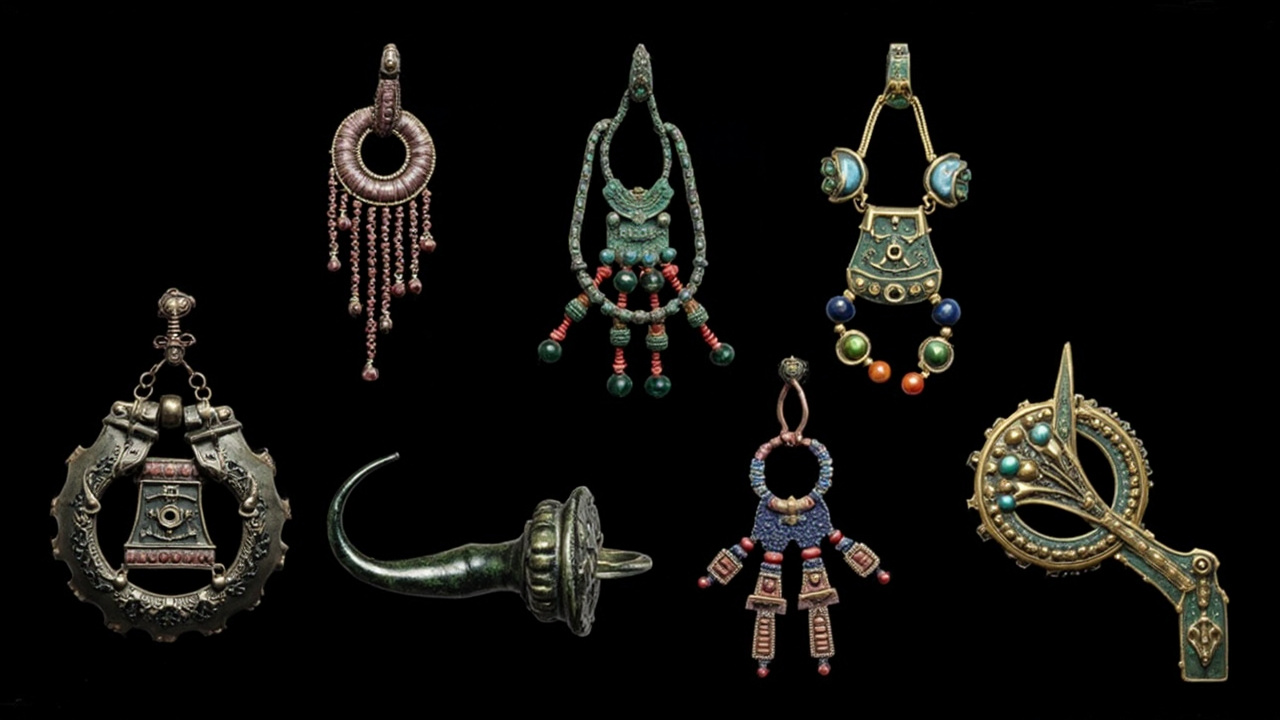
Imagine you're just trying to build a wind farm when suddenly your excavator scoops up some of the most incredible ancient jewelry ever found. That's exactly what happened in Germany, and the discovery is absolutely mind-blowing—we're talking about jewelry that belonged to royalty over 3,000 years ago.
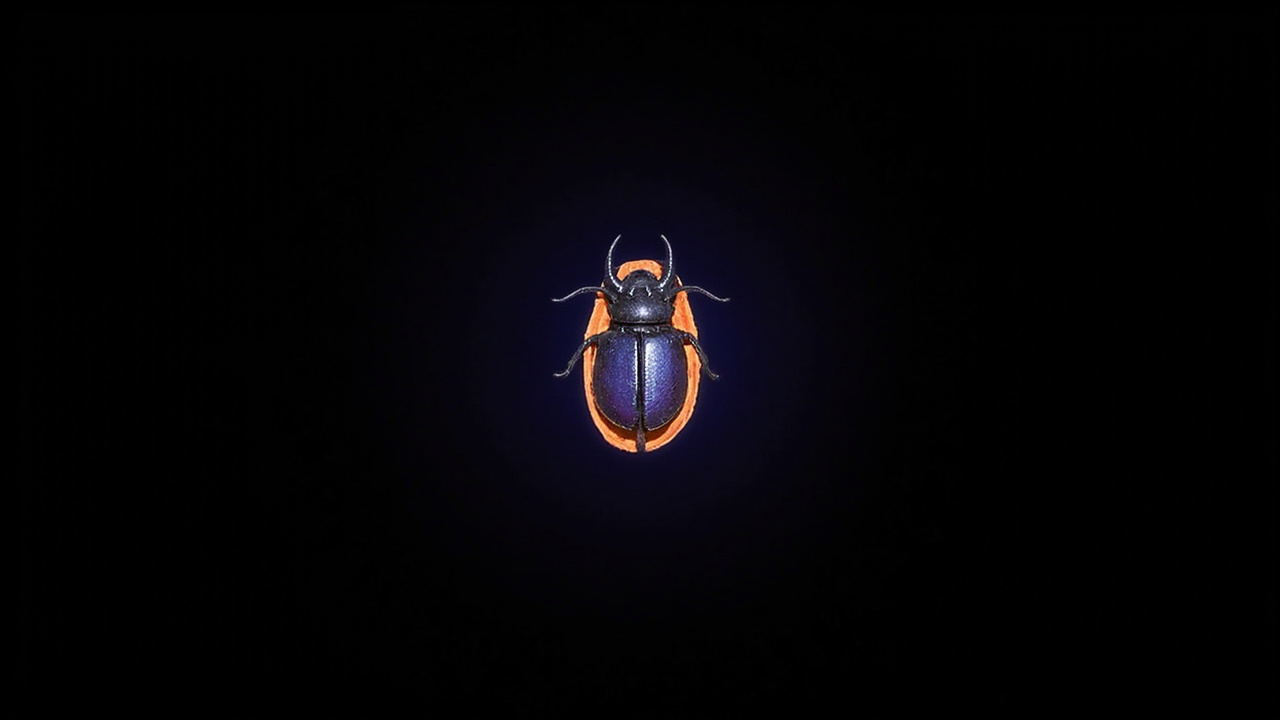
Archaeologists in Spain just uncovered something totally unexpected: a genuine Egyptian scarab amulet buried in an ancient Spanish tomb. The mystery? How did this sacred beetle charm travel thousands of miles to a place where it definitely shouldn't exist? The answer might unlock secrets about ancient trade routes we're still trying to understand.
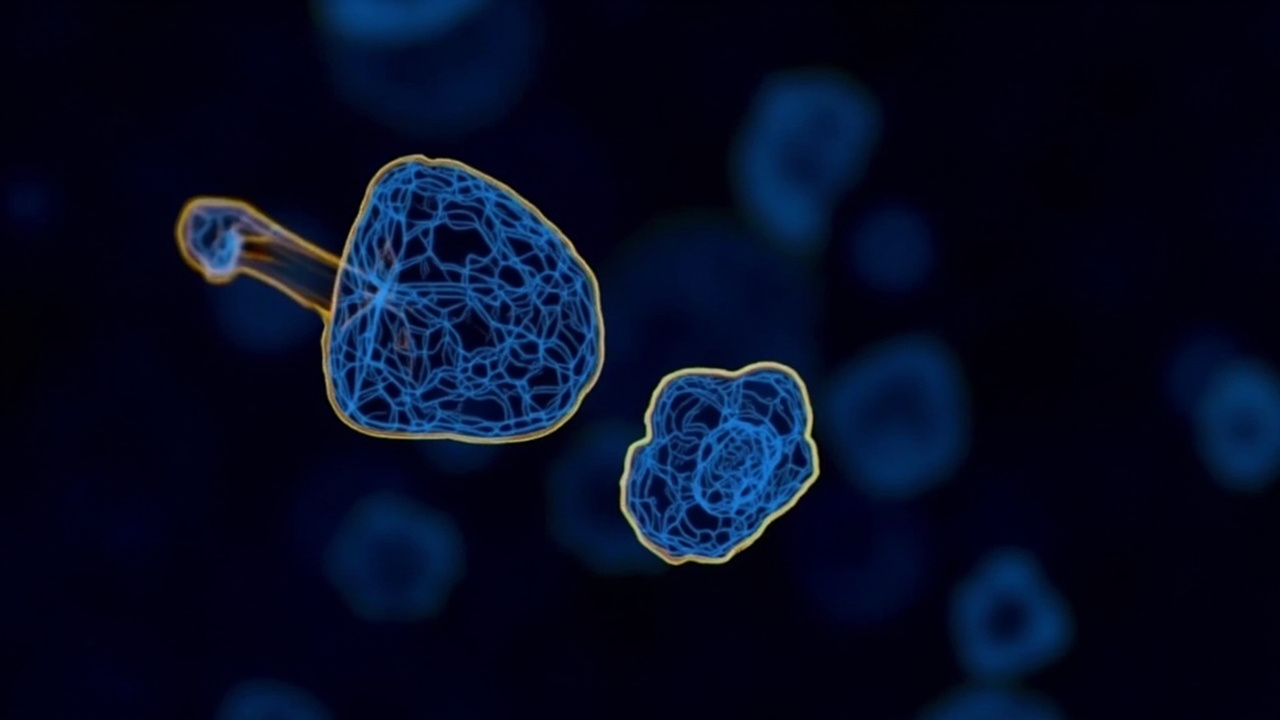
Imagine a world where organs don't spoil like milk in your fridge—where a kidney or liver could be preserved indefinitely and used exactly when needed. Scientists just cracked a major piece of this puzzle, and it involves some surprisingly elegant physics.
Researchers just discovered that a tiny part of your brain might be responsible for turning temporary pain into long-lasting agony. Even better? They've found a way to shut it down—and it could change everything about how we treat chronic pain without relying on addictive drugs.

There are hundreds of competing theories about consciousness, but almost no way to actually test them. A neuroscientist just built a framework that could finally separate the brilliant ideas from the total nonsense—and it's surprisingly elegant.
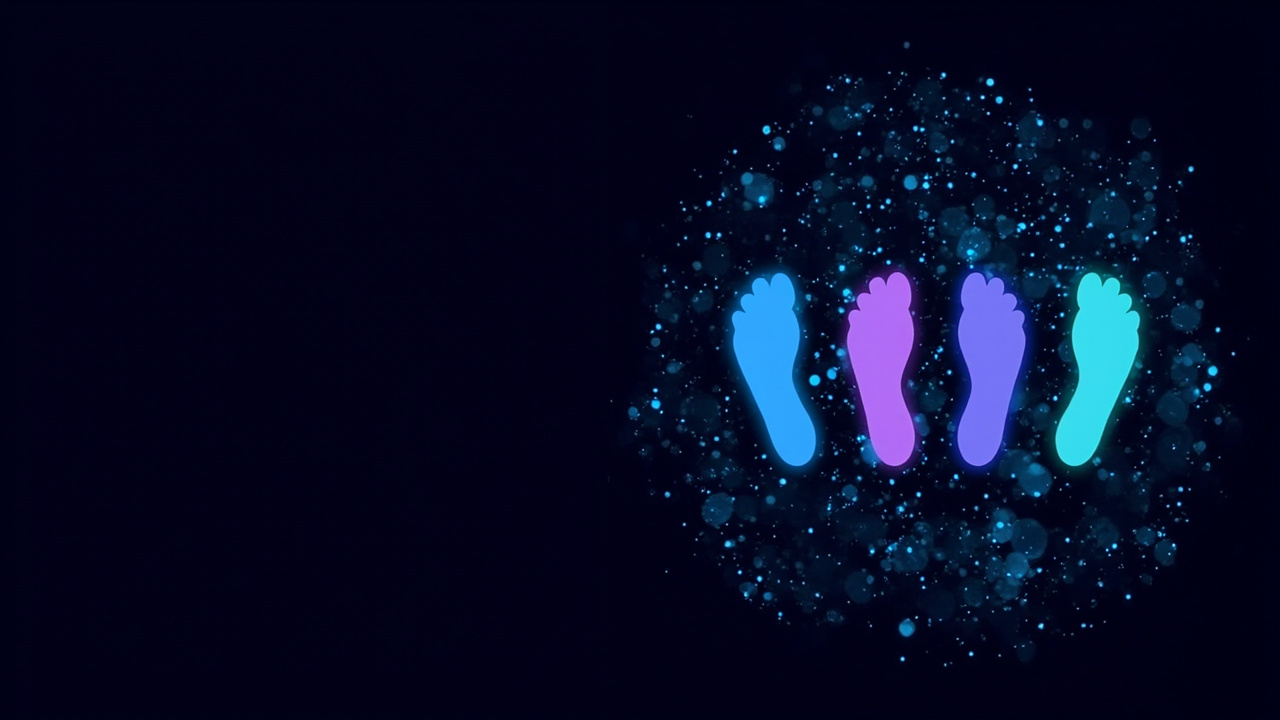
Archaeologists in Saudi Arabia discovered seven ancient human footprints preserved in mud, and they're rewriting what we know about early human migration. These weren't hunters or settlers—just thirsty travelers passing through during one of Earth's most dramatic climate shifts.
For millions of years, southern Africa's fossil record seemed oddly quiet during the age of dinosaurs. But recent discoveries along a remote stretch of coastline are proving that prehistoric creatures thrived there far longer than anyone thought — and one small rocky outcrop holds more dinosaur footprints than researchers ever expected to find.
A Croatian freediver just smashed the world record by holding his breath for almost 29 minutes. But before you try this at home (please don't), here's what's actually happening inside your body when someone does something this bonkers—and why marine mammals are still winning this game hands down.
Scientists have been scratching their heads for over a century about why Earth was tropical enough for forests in Alaska 3 million years ago — but now Antarctic ice cores are finally revealing the answer. Spoiler alert: it's not what anyone expected, and it might change how we think about climate change today.
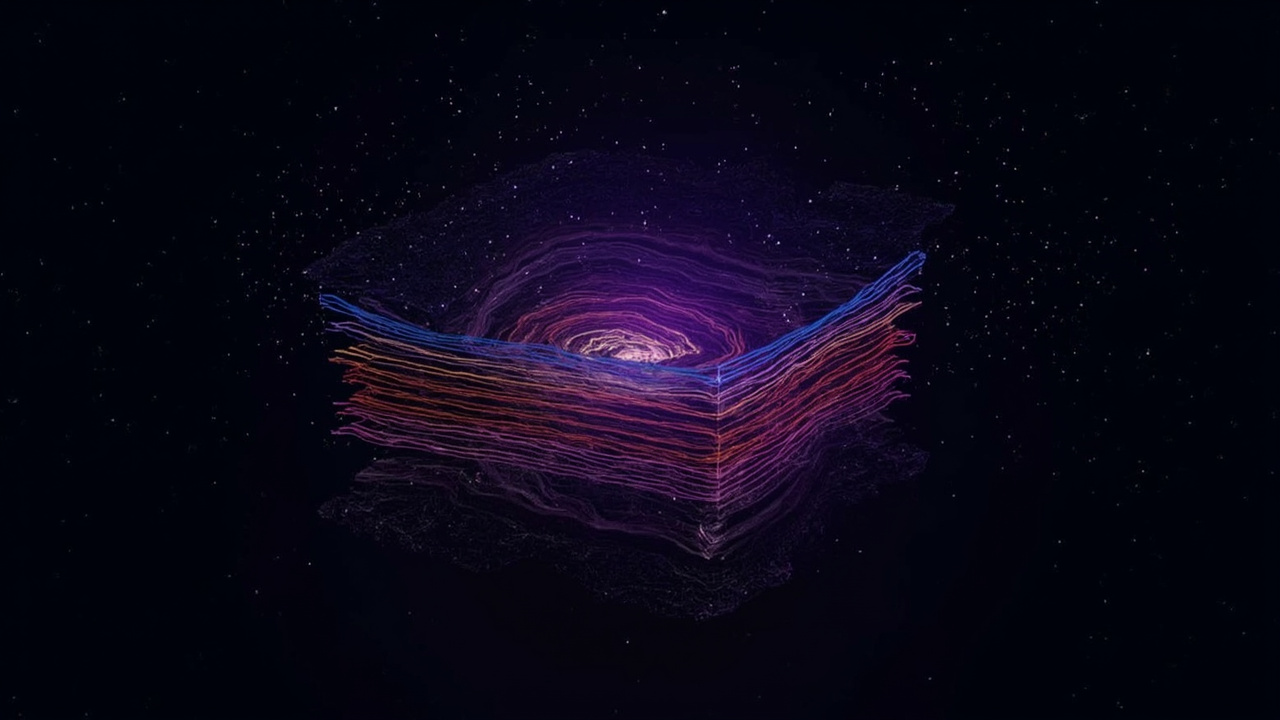
Deep beneath the planet's surface, forces we've barely understood are violently warping and reshaping Earth's interior. Scientists just created the first global map of this underground chaos, and the results are revealing something incredible about how our planet actually works.
Scientists just found evidence that Easter Island's mysterious written language might have been invented by its people long before Europeans ever showed up. If true, it would make the Rapa Nui one of only a handful of civilizations in human history to invent writing completely on their own.
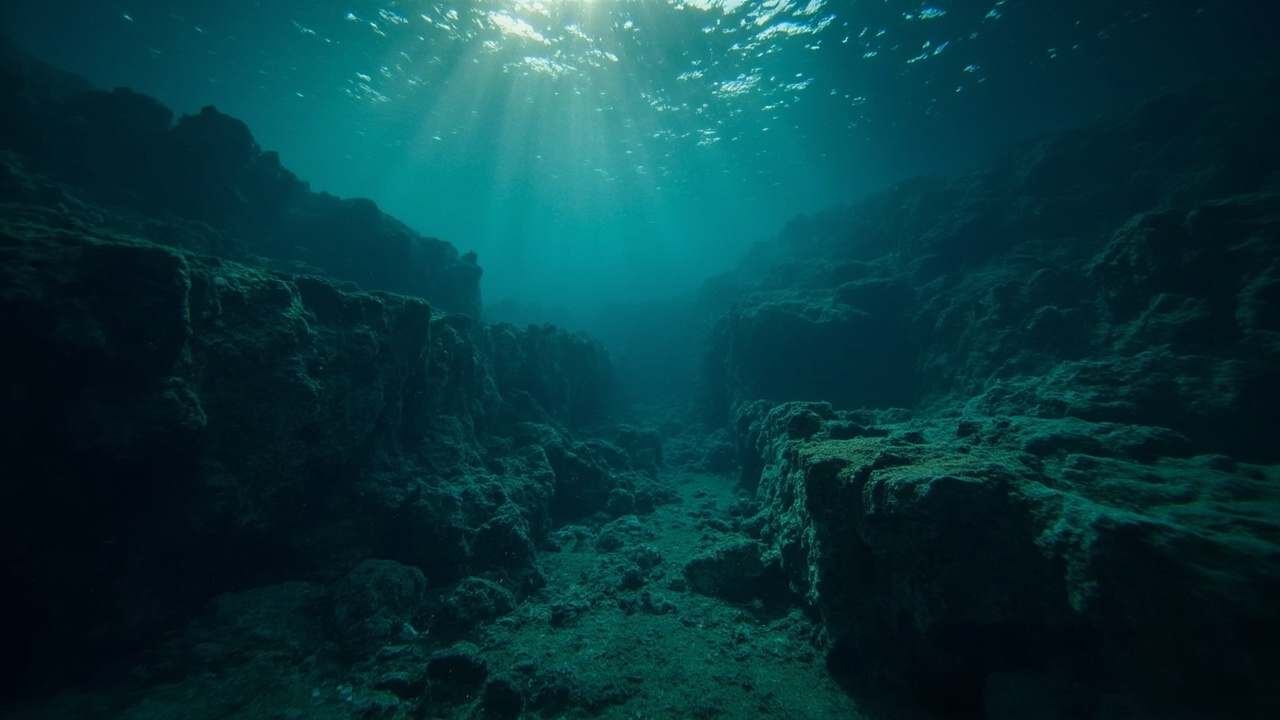
Imagine discovering a thriving ancient metropolis that vanished 600 years ago, preserved perfectly underwater like a time capsule. Archaeologists diving in Central Asia just found exactly that — and what they're uncovering tells an incredible story about trade, earthquakes, and lost civilizations.
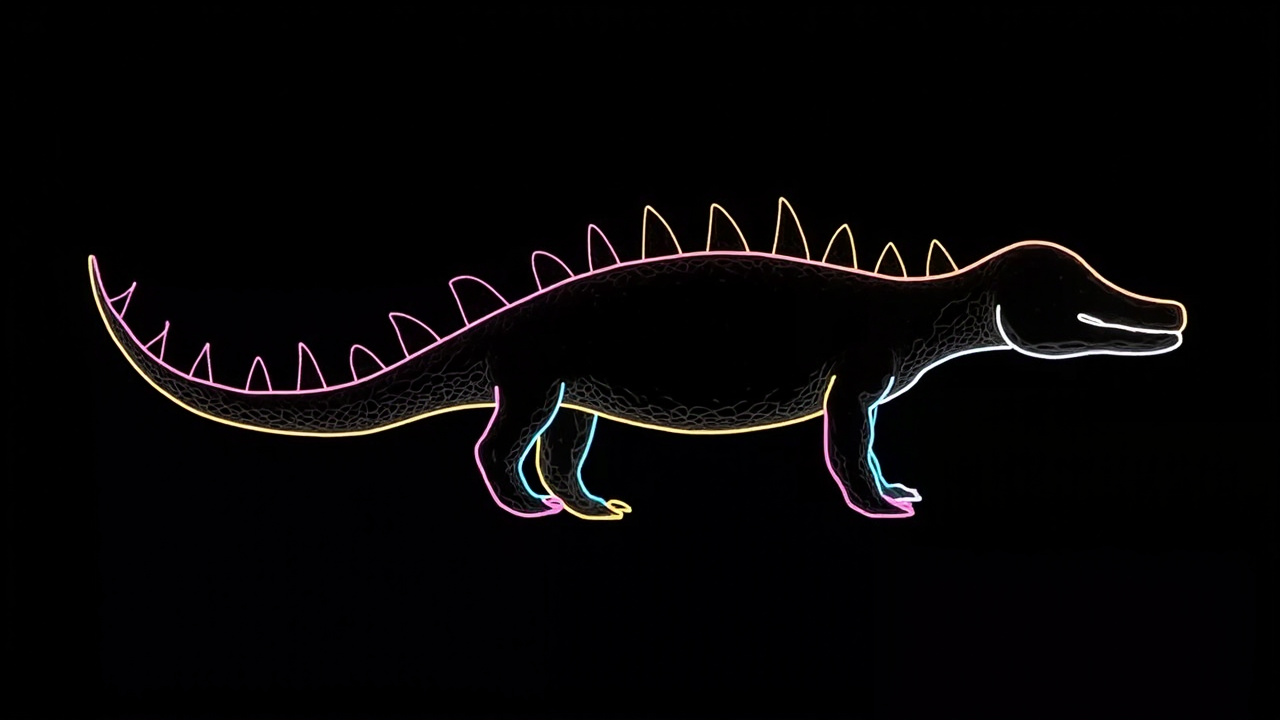
Scientists just uncovered something wild about a poodle-sized creature that lived 225 million years ago: it apparently didn't commit to a walking style. This peculiar crocodile relative started life on all fours but ditched that strategy and switched to walking on two legs as it got older—and researchers still aren't entirely sure why.
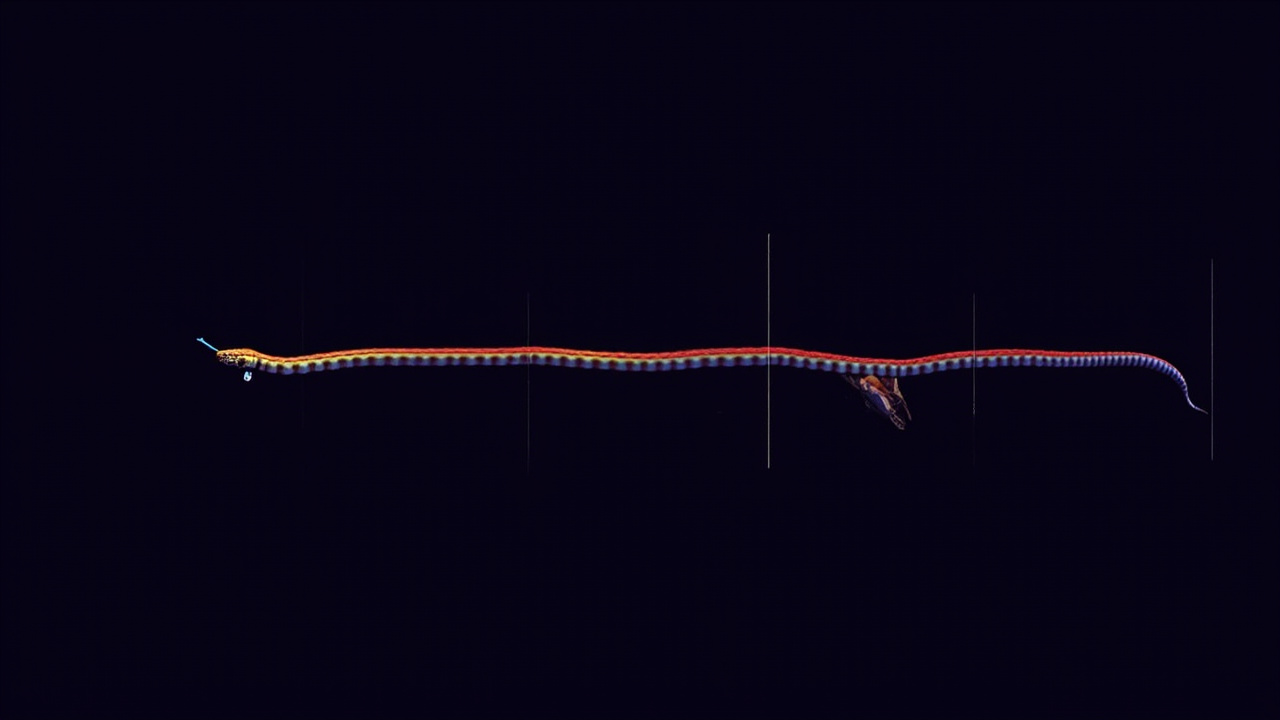
Scientists found a 100-million-year-old snake fossil with hind legs and a mysterious bone that completely rewrites our understanding of how snakes evolved. It turns out snakes didn't start out as tiny burrowers—they were actually big, wide-mouthed hunters. Here's why this dusty old fossil from Argentina is causing such a stir in the paleontology world.

Have you ever done a double-take comparing your dog to a celebrity cat on Instagram? Turns out, that's not just a coincidence—breeders have been unconsciously sculpting dogs and cats to look more and more alike. New research reveals this bizarre phenomenon is driven by our obsession with baby-like features, and it's raising some uncomfortable questions about what we're willing to sacrifice for cuteness.
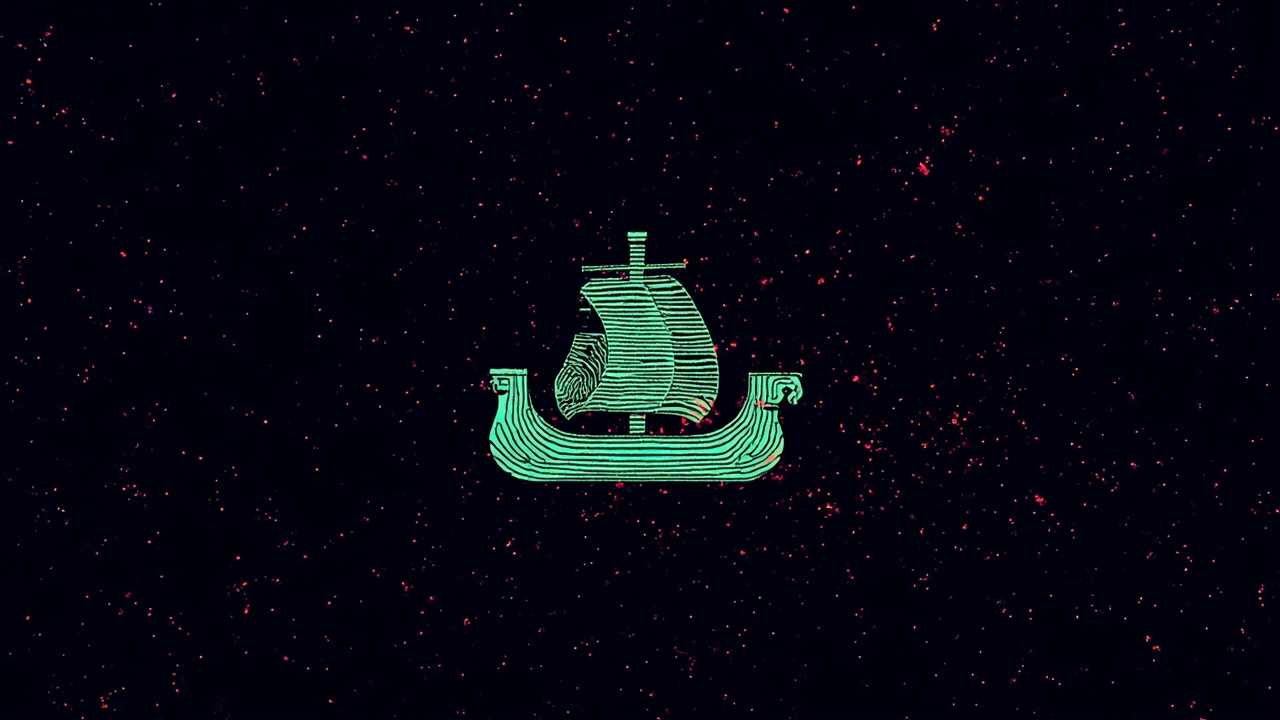
Archaeologists just found a fingerprint baked into the tar of an ancient Viking-era boat—and it's completely changing our understanding of who attacked a Danish island two millennia ago. Using modern detective work on a discovery from the 1880s, researchers are now pointing to the Baltic Sea as the mystery raiders' home base, not Germany as previously believed.
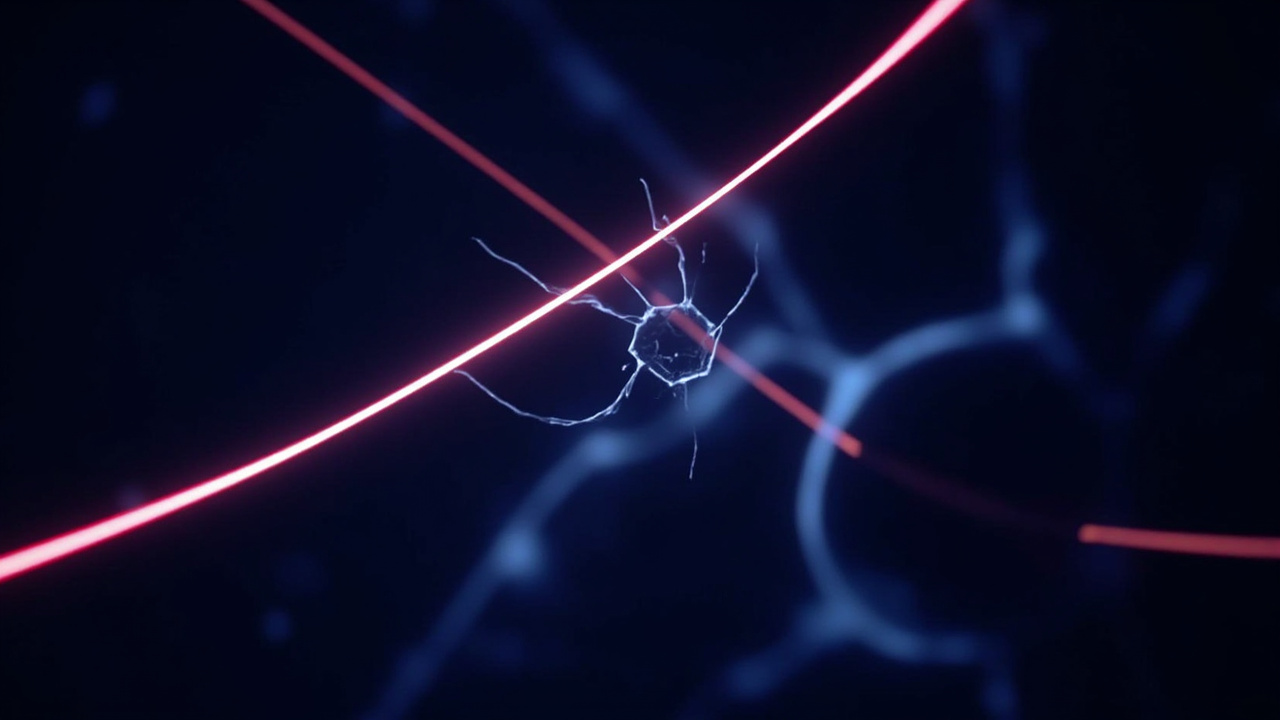
Scientists have figured out how to turn plastic into a microscopic spike trap that literally tears viruses apart without any chemicals needed. Inspired by bug wings, this new material could transform how we keep hospitals, phones, and public spaces clean—forever.

For years, scientists debated whether Earth was built from local materials or cosmic imports from the outer reaches of space. New research finally settles the question — and it's all thanks to Jupiter acting as a cosmic bouncer at the Solar System's door.