

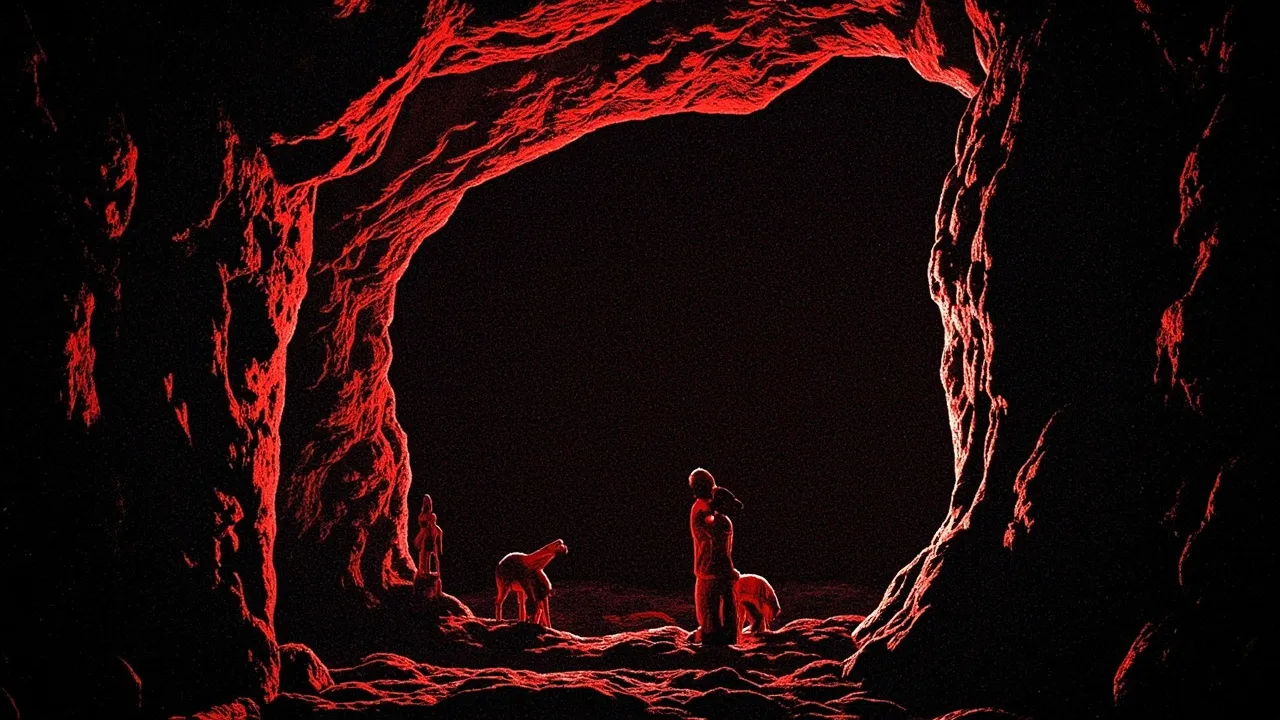
Scientists have finally cracked the mystery of why red rock paintings in southern China have survived nearly 2,000 years in a tropical monsoon climate—and the answer involves human blood. But before you start imagining dark rituals, the researchers believe it came from something surprisingly ordinary.
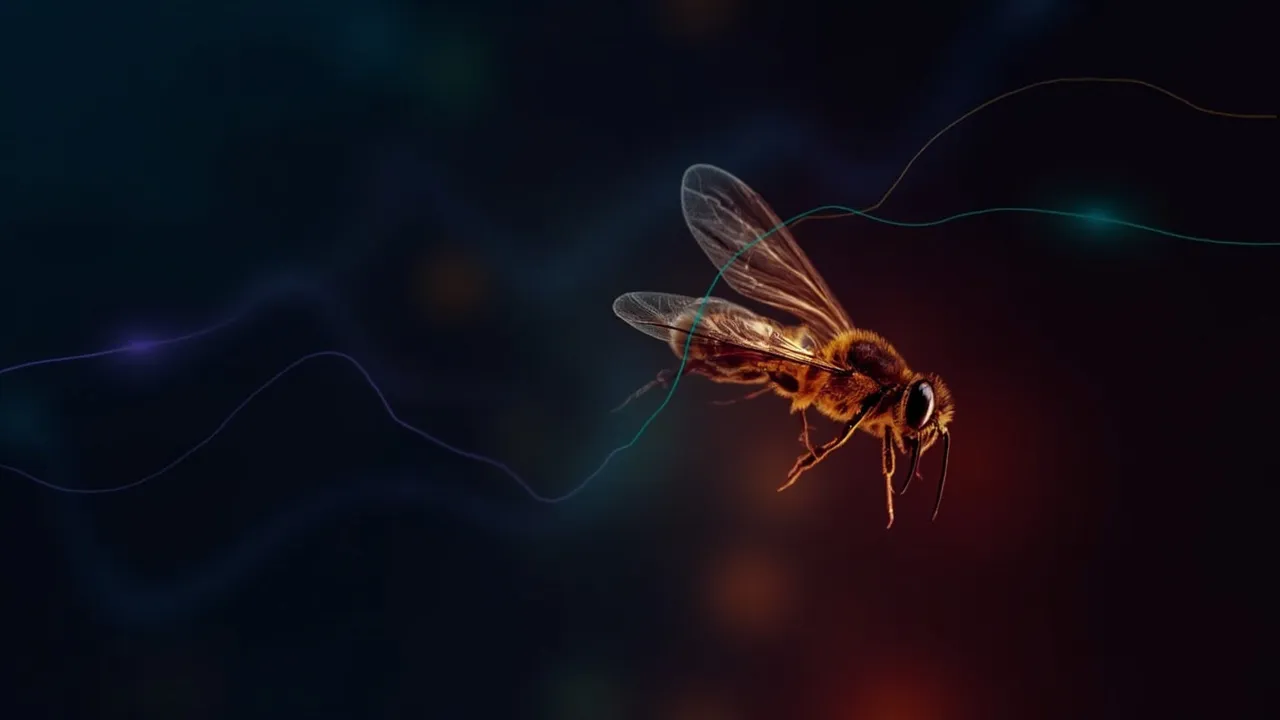
Scientists have discovered that when honeybee queens are exposed to pesticides, they have a disturbing survival strategy: they shunt toxic chemicals into their eggs. This "maternal offloading" could be contributing to the slow decline of bee colonies around the world.
Imagine smashing two tiny atomic nuclei together so hard that you create a miniature version of the universe's first moments. That's exactly what physicists at CERN just did — and here's the wild part: they used nuclei so small that scientists didn't think it was even possible.
When University of Florida students unearthed a small clay vessel in northwest Florida, they expected to find fragments like they always do. Instead, they discovered something that made even veteran archaeologists do a double-take—and it's raising questions about why anyone would bury something perfectly good in the first place.

Europe's devastating drought isn't just an environmental crisis—it's turning back the clock on history, revealing Nazi warships, Roman altars, and even woolly mammoth bones from the bottoms of dried-up rivers.
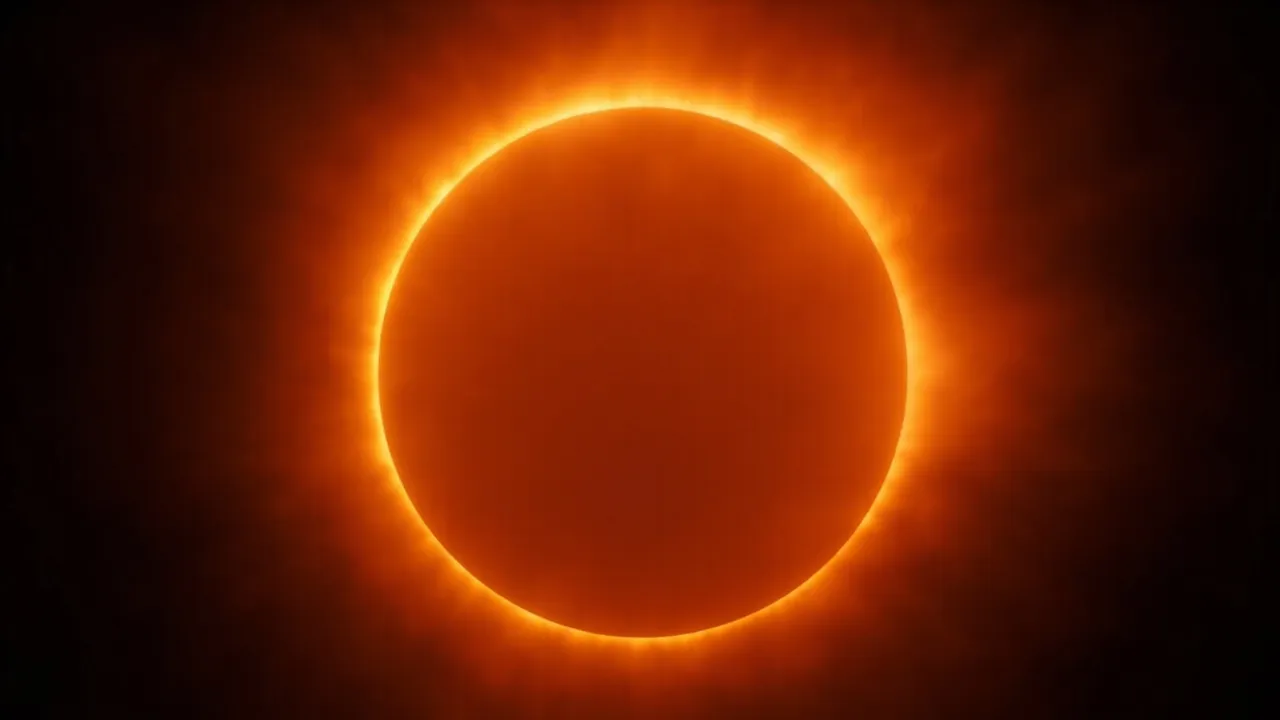
Last week's total solar eclipse surprised skywatchers in Spain with an unusual golden glow instead of the typical white corona. Scientists say it wasn't just the eclipse itself — something else in the atmosphere was at play.
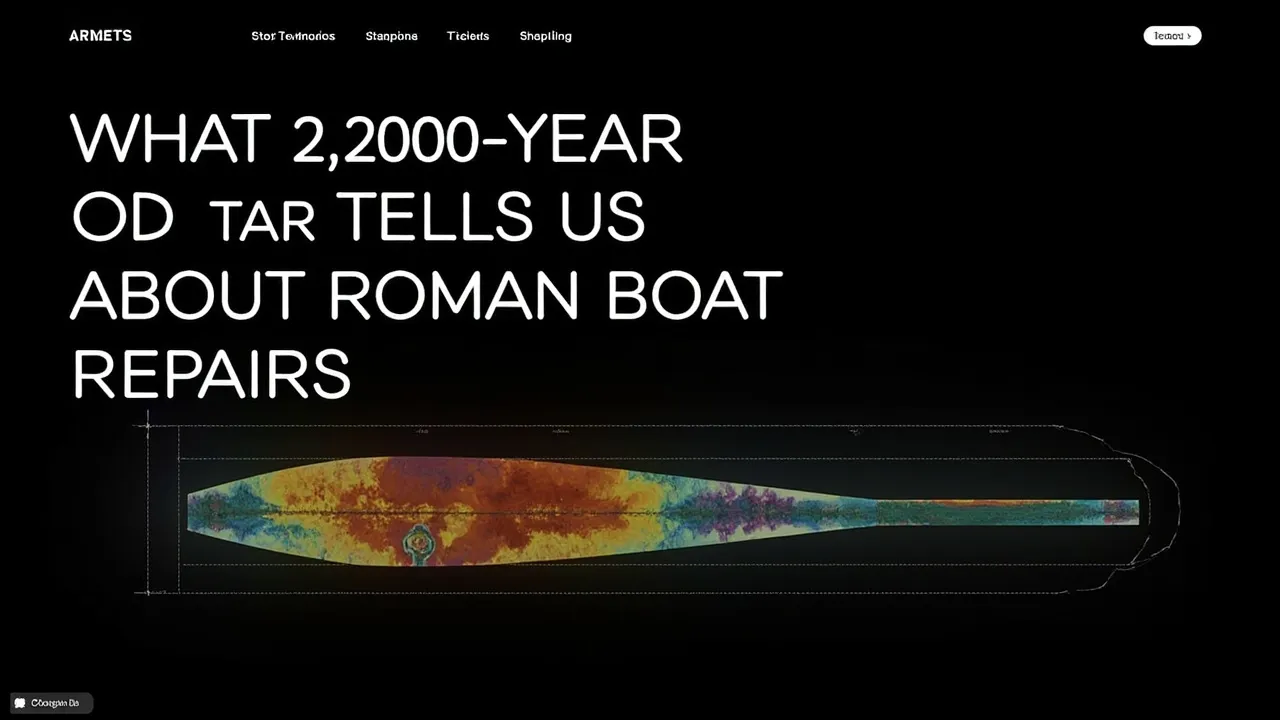
Imagine finding a 2,200-year-old Roman shipwreck and discovering that the sticky tar still clinging to its hull contains perfectly preserved pollen from ancient trees. That's exactly what happened to researchers studying a ship off Croatia's coast—and the secrets hidden in that ancient goo are rewriting what we know about Roman maritime trade and repair practices.
Imagine digging a well to celebrate your city's founding—and then, centuries later, archaeologists discovering both baby gifts AND human bodies inside. That's exactly what happened in Italy, and the story behind it is absolutely wild.
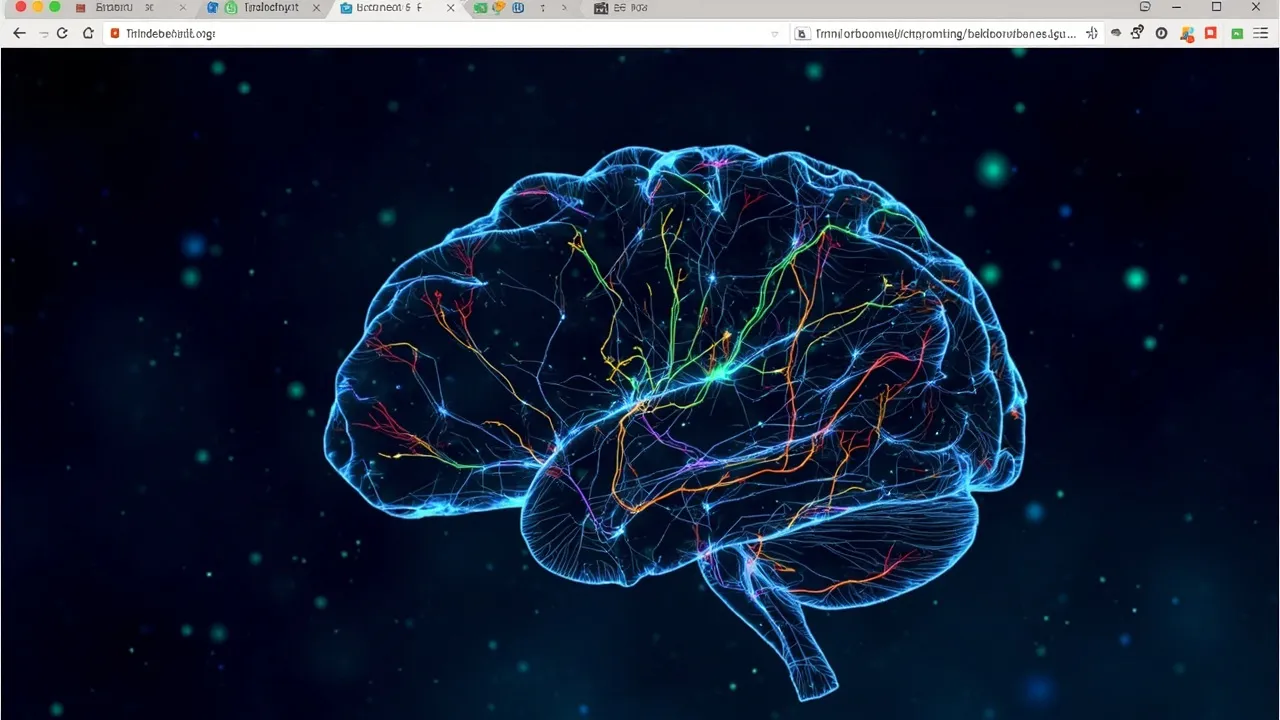
Scientists have discovered something fascinating about schizophrenia — the loss of brain connections isn't random at all. Instead, it follows a very specific pattern that could help us understand, and eventually treat, this challenging condition in entirely new ways.


Scientists have discovered something remarkable about Greenland sharks: not only can they live for centuries, but their eyes appear to stay perfectly functional throughout their entire incredibly long lives. This discovery is opening new doors in our understanding of aging, vision loss, and maybe even how we might slow down our own biological clocks.
Scientists have discovered a specific gut microbe that's linked to better muscle strength in both humans and mice — and it's a finding that could one day help us fight the muscle loss that comes with aging.
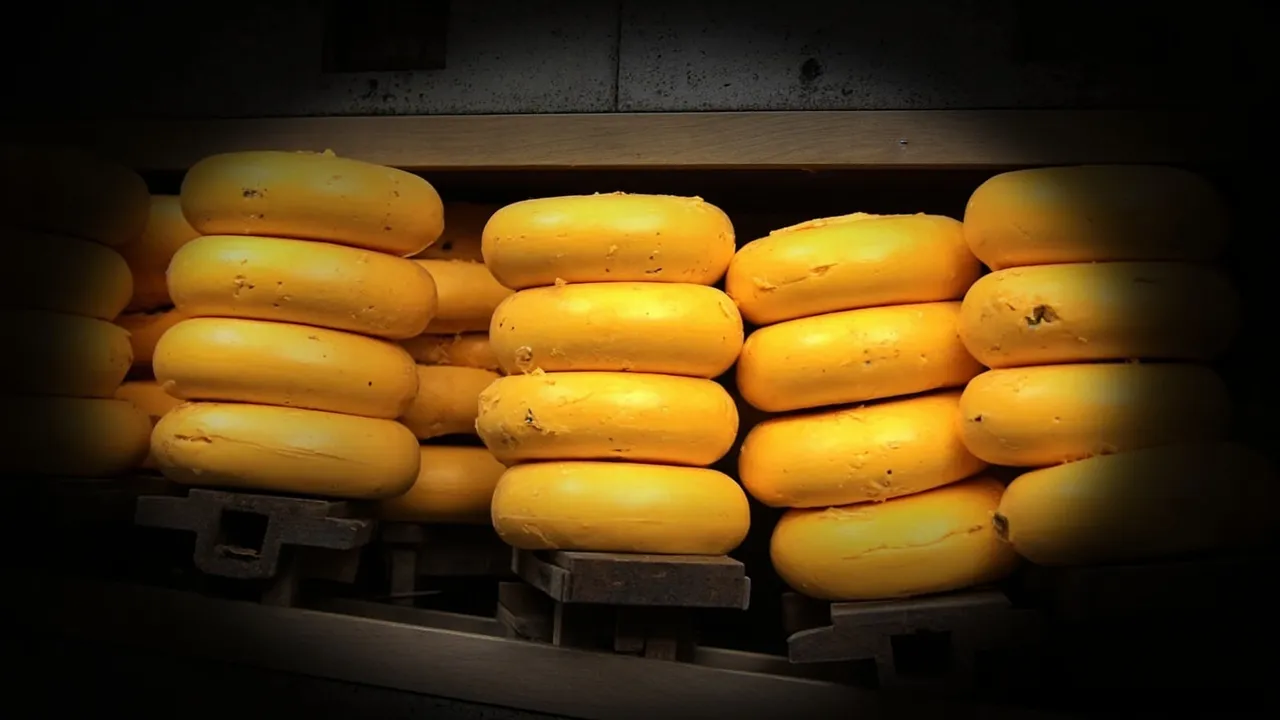
In a twist that sounds like it belongs in a foodie comedy, one Italian bank has been quietly storing wheels of Parmesan cheese as loan collateral for decades. But now, record-breaking heat is threatening this 800-year-old tradition—and the story behind it is way more fascinating than you'd expect.
The James Webb Space Telescope just revealed something mind-blowing about the universe's earliest giants — they've been hiding a secret stash of stars all along. Turns out, some of the first major galaxies might contain four times more stellar mass than our best estimates suggested, and astronomers are scrambling to figure out how the cosmos pulled this off so early.
A physicist has proposed that quantum particles can share information with their future selves, not just with other particles across space. This mind-bending concept might finally help us reconcile two of physics' biggest theories.
Imagine finding just someone's legs at a party and then spending nearly a century wondering where the rest of them went. That's basically what happened to archaeologists in Egypt—until now. A missing upper half of a massive statue of one of history's most famous pharaohs has finally been reunited with its lower half, and the result is absolutely breathtaking.

Scientists have discovered that a common yeast supplement might give your immune system a serious upgrade in its ability to fight cancer—especially in people dealing with obesity, where immune function often takes a hit. And here's the coolest part: it works just by eating it, no needles required.

A surprising new study tracked kids for eight years and found something that contradicts everything parents have been told. More screen time was actually linked to better brain function — but before you throw out the screen rules, there's an important twist you need to hear.

Scientists have been scratching their heads over a nuclear physics mystery for decades. Some atoms seem to produce more low-energy gamma rays than they should, and nobody knew why. A new study just cracked the case — and the answer involves something called "hidden magnetism" inside atomic nuclei.