
For decades, fusion energy has been the ultimate "almost there" technology—the dream that always seems perpetually out of reach. But lately, something feels different. From record-breaking plasma experiments to AI helping tame the chaos inside reactors, the pieces are finally starting to click together. Here's why I think this time might actually be different.
A mind-bending physics theory suggests everything you remember—from birthday candles to ocean breezes—might just be random cosmic static. Before you panic about your entire life being fake, let's unpack what this actually means for you and me.
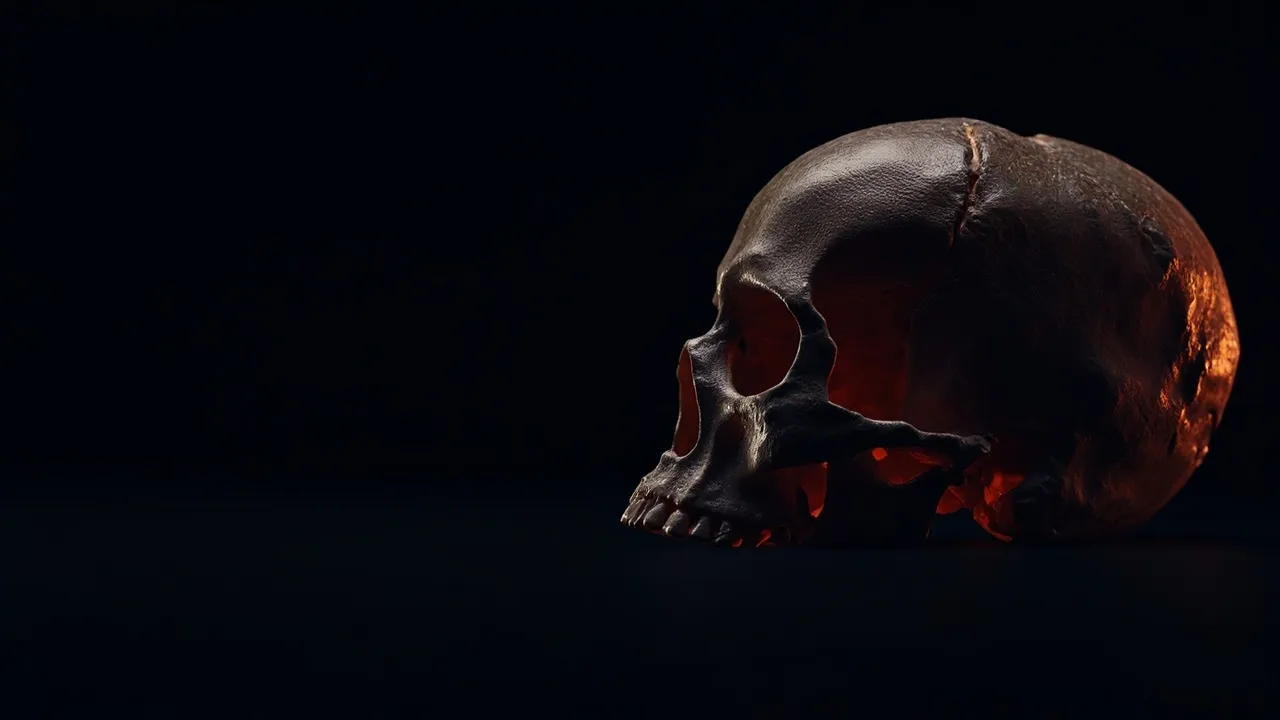
New dating techniques have revealed that ancient skulls found in China are far older than anyone realized, which could completely rewrite what we know about how our early ancestors spread across the world.
Quantum computers are getting more powerful by the day, and they could eventually break the encryption that protects everything from your bank account to government secrets. The good news? We're not helpless — but we do need to start preparing now.
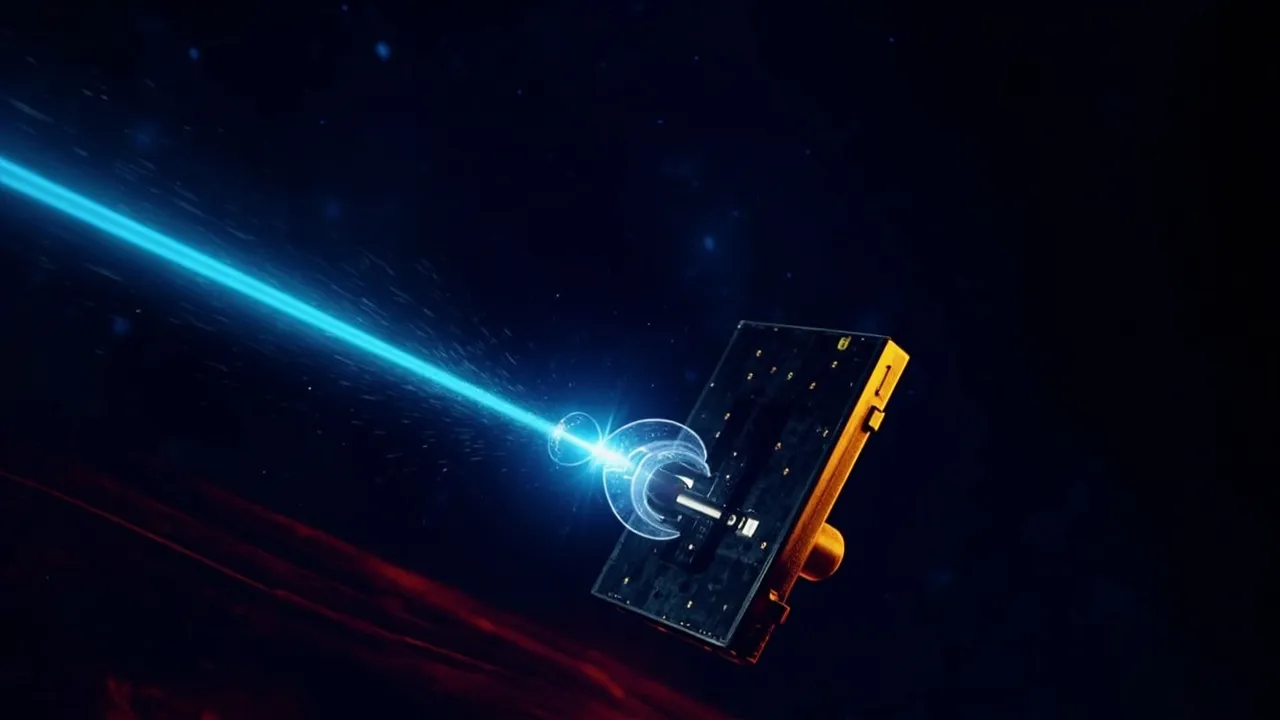
Google just unveiled Willow, their newest quantum computer that's so powerful it's honestly hard to wrap your head around. I recently got to learn more about this thing, and let me tell you — the more I learned, the more I realized we're living through something pretty special.

I tried to read an article about Apple and ByteDance, but found nothing but a 404 error. Rather than give up, I explored what this missing story might have been about—and why it matters that we can't access it anymore.
You probably thought egg freezing was something to think about in your late twenties, right? Well, some researchers are pushing back on that timeline in a pretty surprising way, and the answer might be way earlier than you'd expect.
Ever stumbled upon a "404 – Page Not Found" error and wondered what stories lie behind that empty void? Let's explore the quirky world of missing web content and why sometimes the most interesting things are the ones that don't exist.
You were just trying to read an article, and suddenly you're staring at a scary "ACCESS DENIED" message. Don't worry — you're not in trouble, and your computer isn't broken. Let me explain what's really happening when websites block you, and why it happens way more often than you'd think.
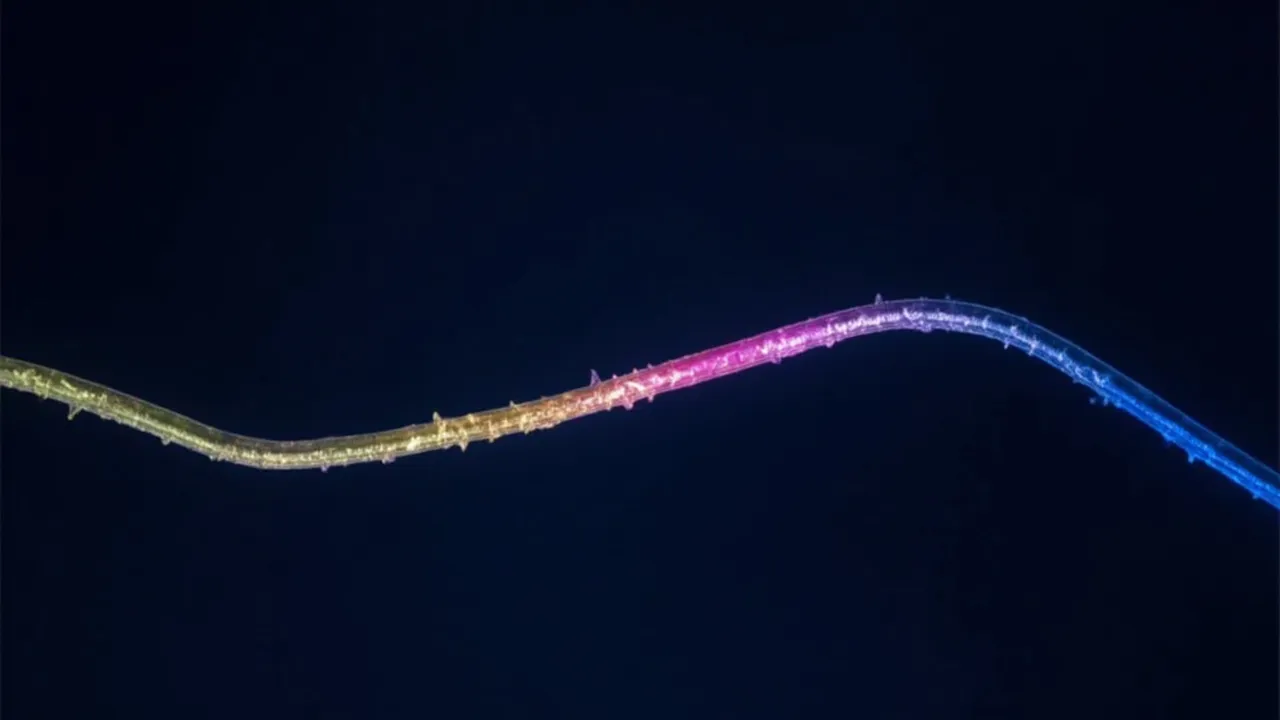
Researchers studying methane-producing microbes stumbled upon something incredible: they caught a "jumping gene" in the act of attempting to leap from one organism to another. What makes this discovery so fascinating isn't just the gene itself, but the clever trick it uses to survive the journey — and it turns out our own cells might use a similar strategy.
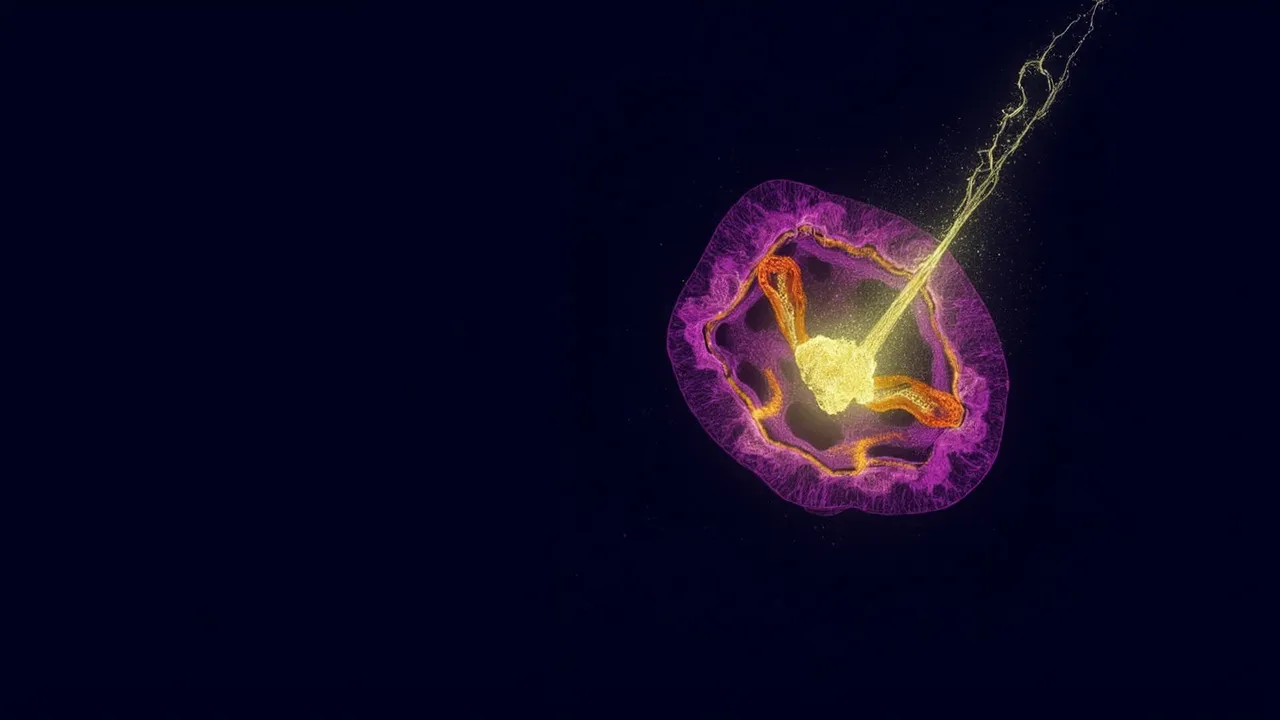
Stanford researchers have discovered a brand-new type of immune cell that destroys threats by blowing itself up, completely vanishing within minutes. These "ruptoblasts" were found in flatworms, and their explosive self-destruction could someday inspire new ways to fight infections and even cancer.
When a former Russian president recently posted "Dead Hand" on social media, it wasn't just rhetorical bombast — he was invoking one of the most terrifying weapons systems ever conceived. Let's talk about why a machine designed to end civilization on autopilot should make us all a little more nervous about geopolitics.
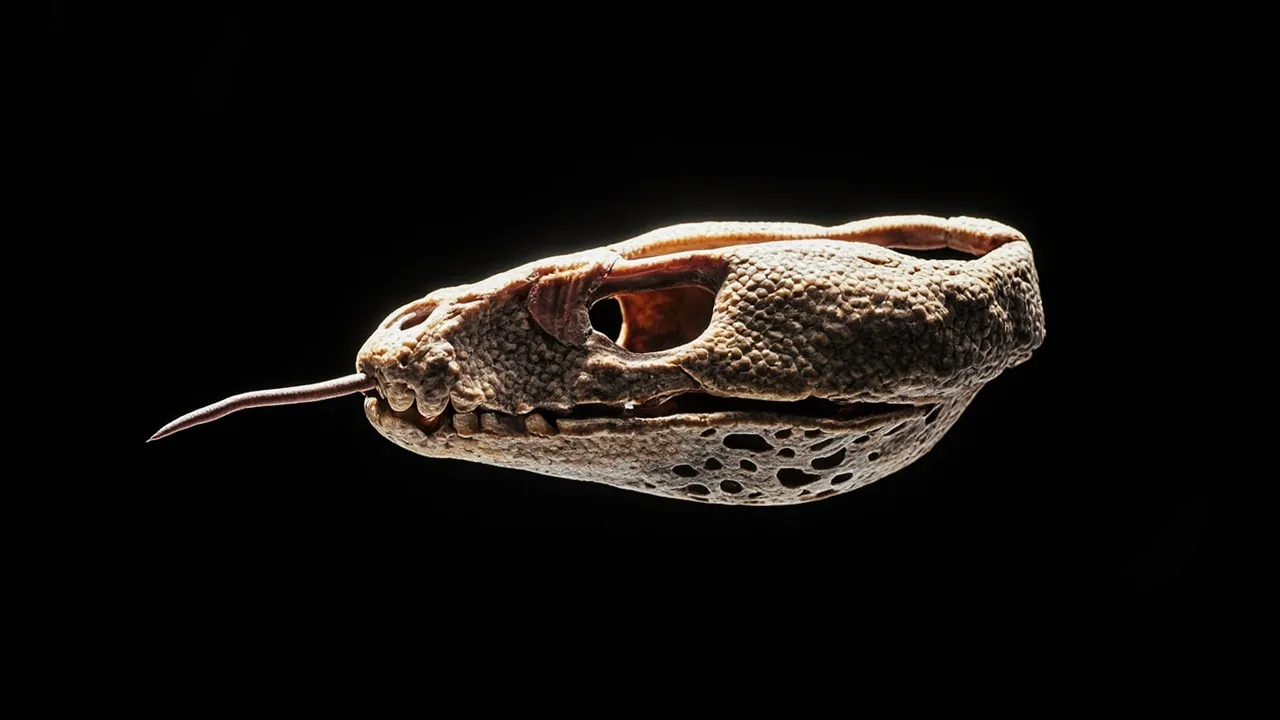
Scientists have discovered one of the most complete fossil snake skeletons ever found, and what they found inside its skull is completely changing our understanding of how snakes evolved. Forget the simple story of snakes either coming from underground or from the ocean—this ancient creature tells a much more chaotic and fascinating tale.
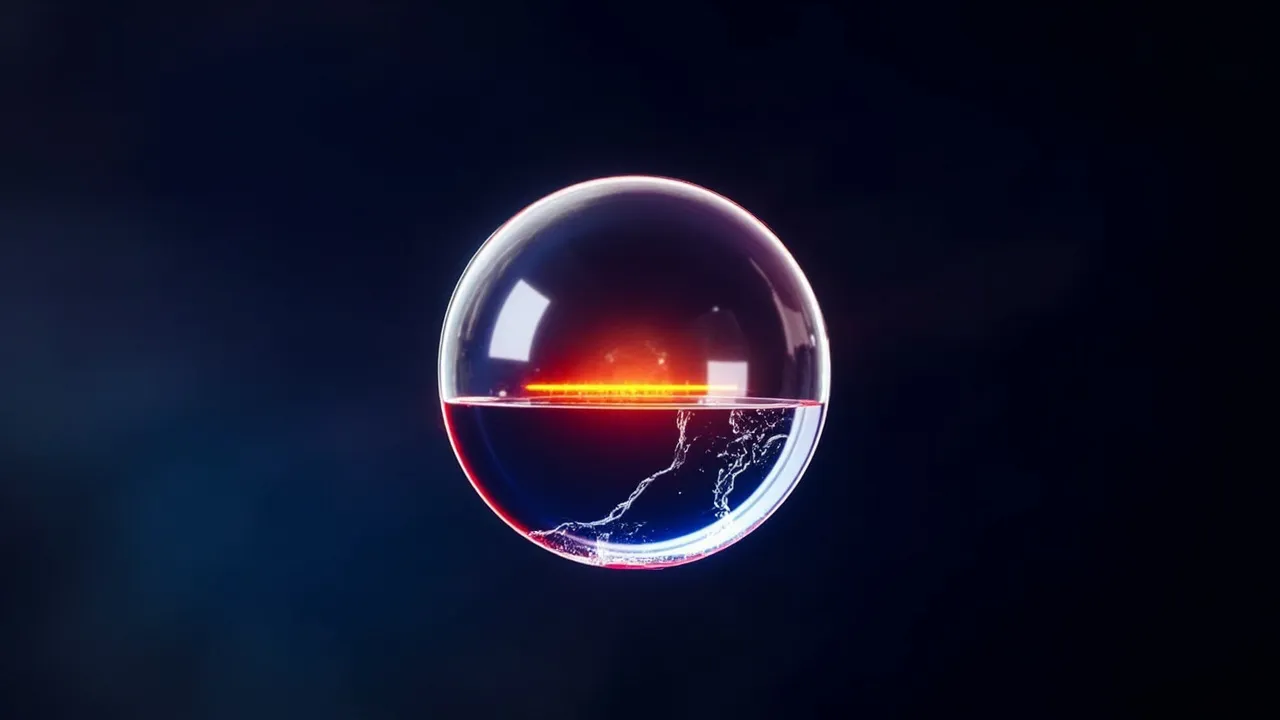
Scientists have created a silicon chip that can grow DNA using water instead of toxic chemicals—and it's a pretty big deal for the future of data storage, medicine, and maybe even you.
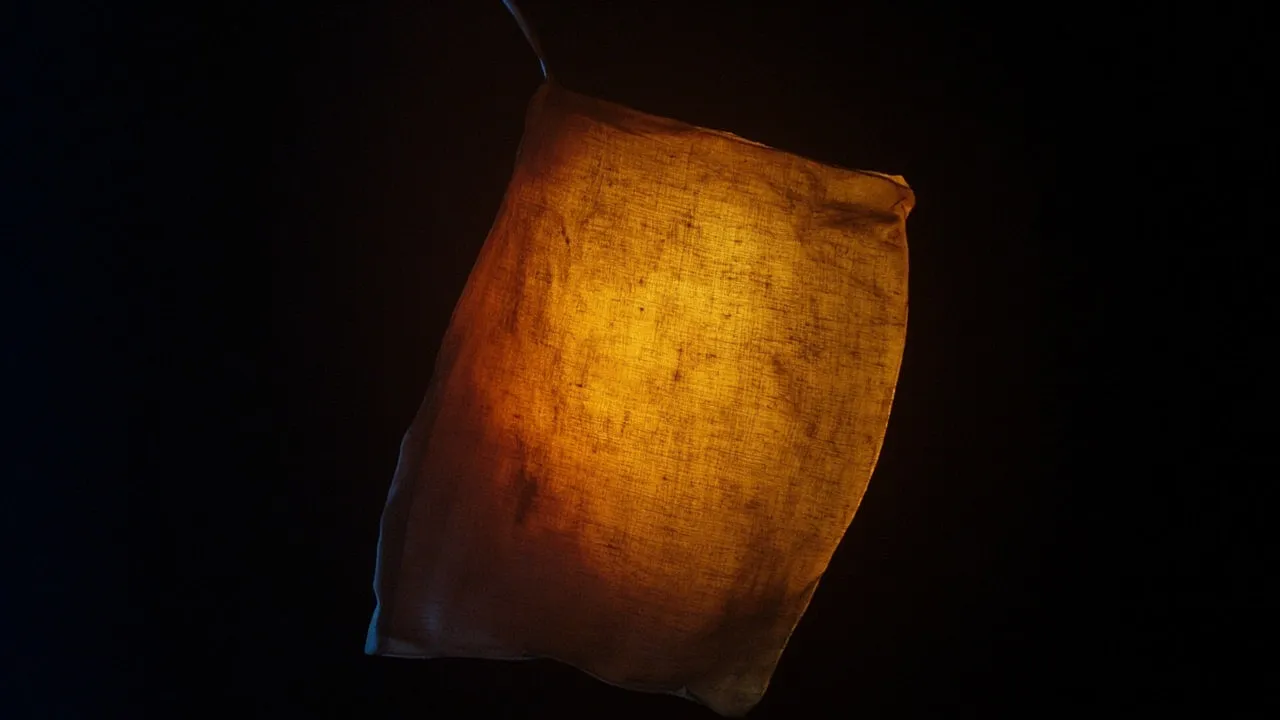
When researchers recently analyzed DNA trapped in the famous Shroud of Turin, they didn't find what they expected. Instead of answers about the cloth's mysterious origins, they uncovered something arguably more fascinating: a biological time capsule that tells the story of everyone and everything that's touched this legendary artifact over hundreds of years.
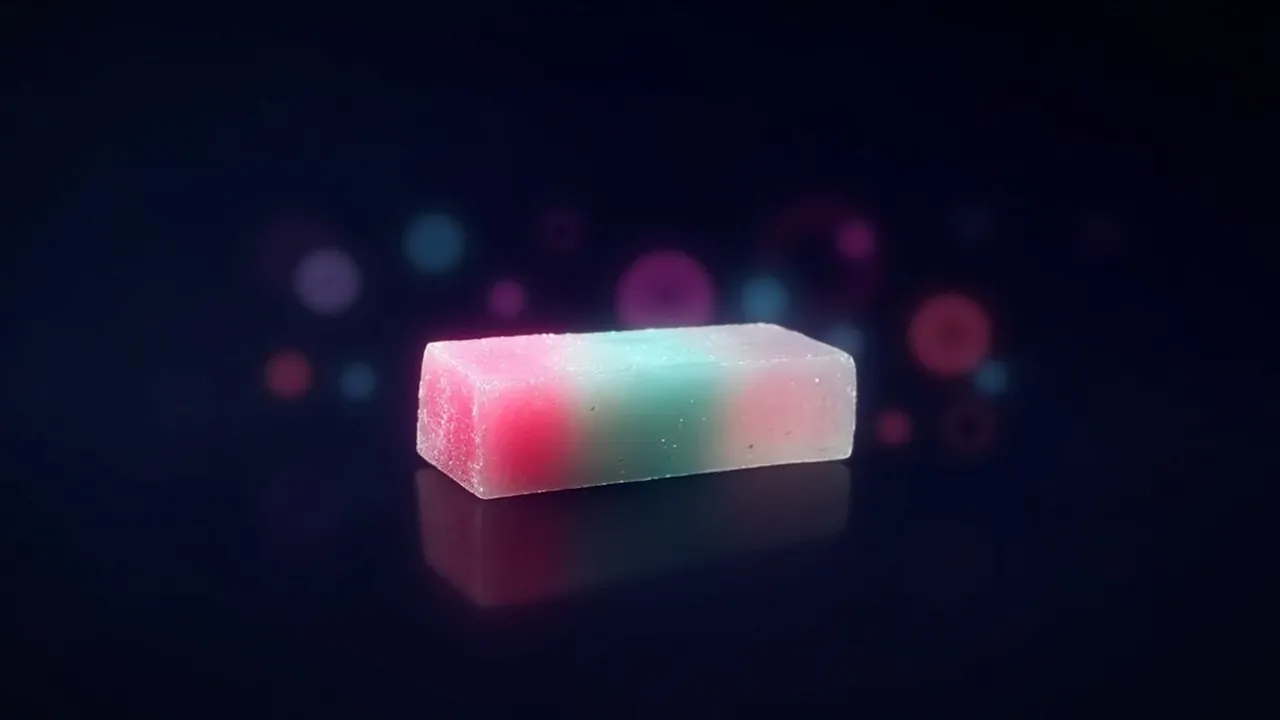
Imagine popping a piece of gum that could help prevent cancer. Sounds like science fiction, right? Well, researchers at the University of Pennsylvania have developed something pretty close — and the results are genuinely jaw-dropping.
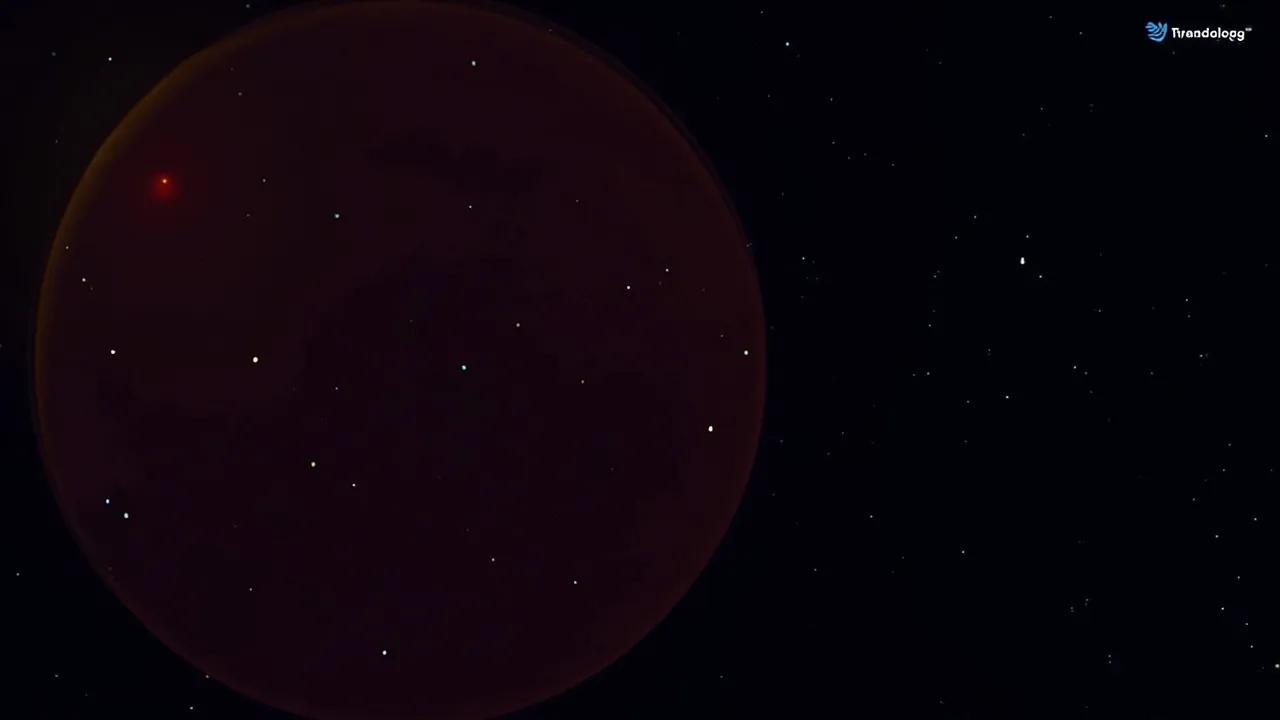
Scientists have discovered that Mars is losing its atmosphere in a surprisingly wave-like fashion, with giant ripples in the upper atmosphere peeling away into space. This process might explain why the Red Planet transformed from a potentially habitable world into the cold, barren desert we see today.
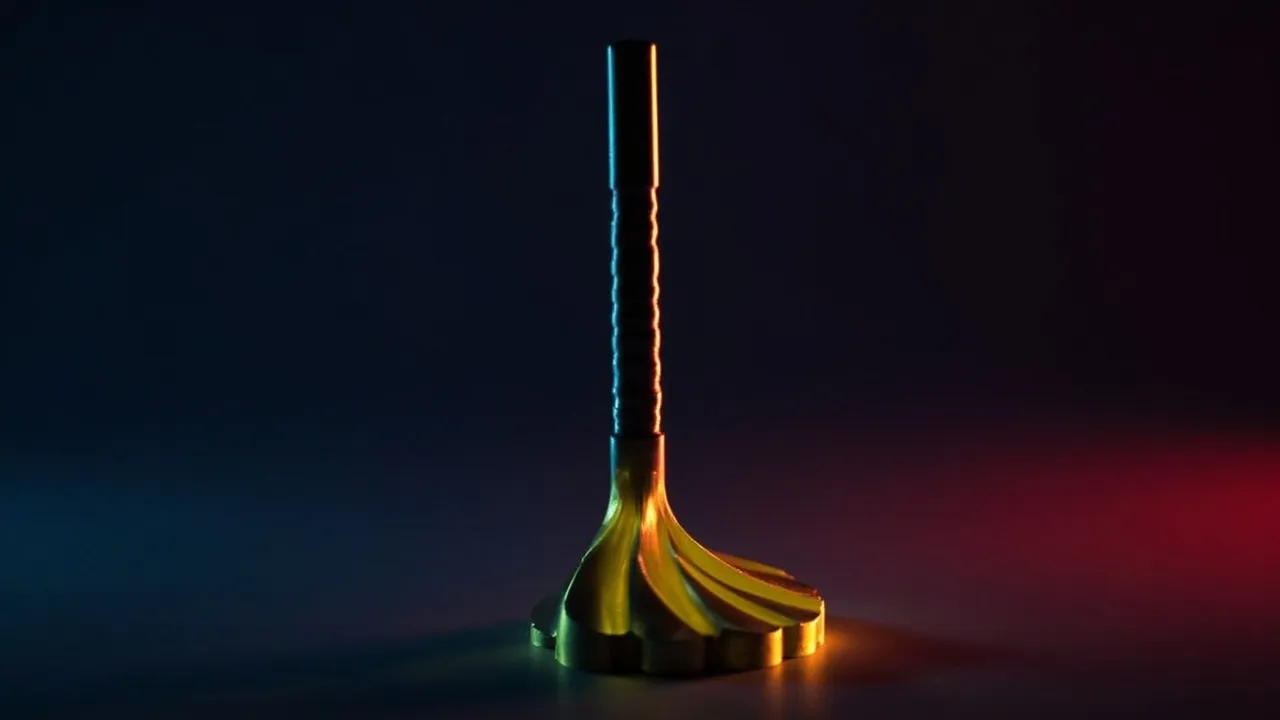
Imagine printing a material harder than steel with a laser and a heated wire. That's exactly what researchers have now accomplished with tungsten carbide — one of the toughest substances used in manufacturing. This breakthrough could change how we make cutting tools, drills, and industrial equipment forever.
Nearly 1,500 ships have been stuck in the Strait of Hormuz for months, and what they're accumulating on their hulls could become one of the biggest biological invasions in history. Scientists are warning that when these vessels finally get moving again, they might unleash an underwater catastrophe across the globe.
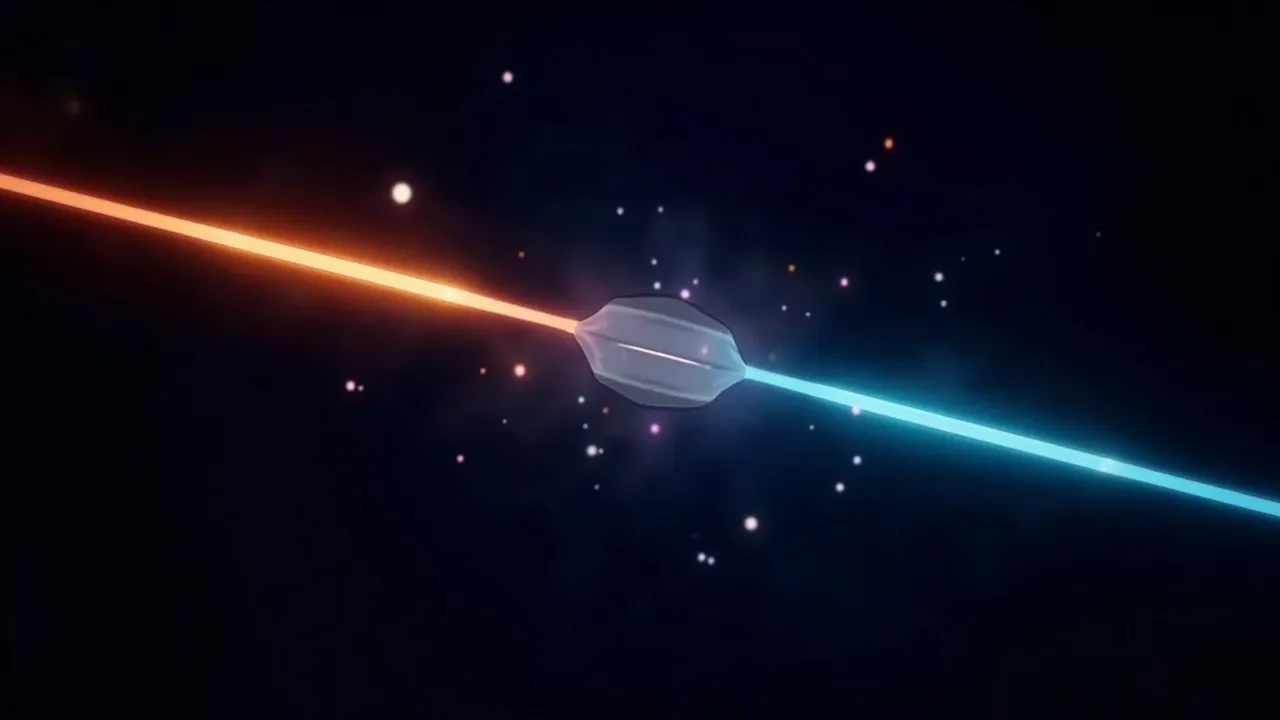
When physicists tried to snip a single photon with a shutter, they expected to get two smaller pieces of light. Instead, they got more photons than they started with—and the explanation involves something called "infinite tails" that sounds like it belongs in a sci-fi movie.