
Ötzi the Iceman has fascinated us for decades, but researchers just discovered he wasn't traveling through time alone. New findings reveal that tiny organisms—some ancient, some modern—have been keeping this frozen man company for thousands of years, and they might just change how we think about preservation, industry, and what it means to be "alive."
Researchers have discovered a hidden shift in your brain's immune system that kicks off around midlife, potentially explaining why aging is the biggest risk factor for dementia. This breakthrough changes what we thought we knew about brain health forever.
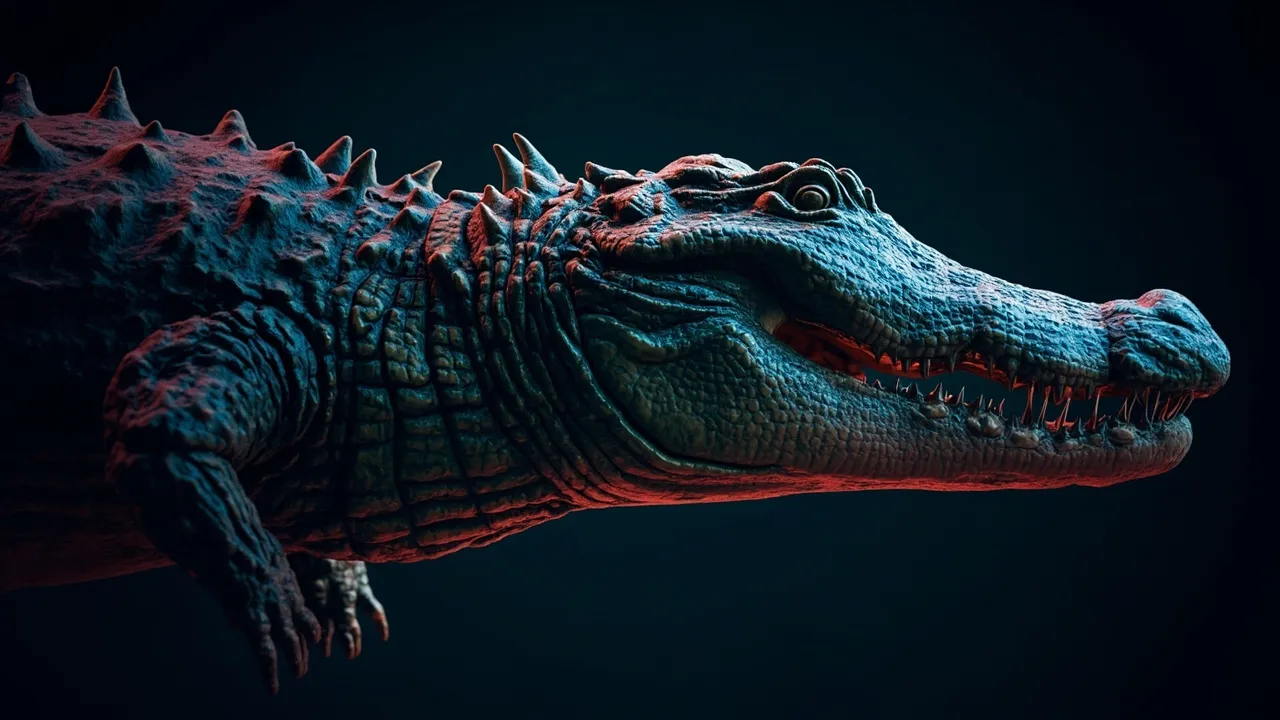
Scientists have finally brought back the terrifying Deinosuchus — a 31-foot prehistoric crocodile that once ruled the waterways of North America and hunted dinosaurs for meals. A life-size replica just debuted at a Georgia museum, and honestly? This thing makes today's crocodiles look like puppies.
Scientists just discovered that roughly 1% of your DNA comes from mysterious ancient relatives we haven't even identified yet. No, really—there's ghost DNA floating around in your genome from species we don't have names for.

I stumbled upon something unexpected while browsing the web recently — a 404 error page from a Science Daily article about what should have been fascinating research. What I found instead opened my eyes to one of the internet's sneakiest problems: content that vanishes into thin air, leaving us with nothing but cryptic error codes.
In the tense years of the Cold War, Egypt recruited former Nazi scientists to build missiles—but when one key figure vanished overnight, he took critical secrets with him. Decades later, nobody knows what really happened to him.

You know that frustrating moment when you click a link, expecting wisdom and enlightenment, and instead get slapped with a cryptic "404 Not Found" message? I just lived that experience firsthand — and then things got even weirder when the error page itself threw an error. Let me walk you through this digital adventure.
I recently clicked on what I thought was an exciting science article, only to be greeted by a 404 error. But here's where it gets philosophical — what does it mean when even the error page fails to load properly? Let's explore our collective relationship with broken links.
A new study is making waves in the scientific community, revealing findings that could reshape our understanding of how things work—literally.

Researchers have discovered a sneaky bit of genetic material that slipped from one organism into another, challenging what we thought we knew about how life evolves. This isn't just a cool party fact either—it could help us understand evolution itself and might even lead to better vaccines.

A mathematician using Anthropic's Claude AI just found a shockingly simple counterexample to a famous math conjecture that's stumped experts for nearly a century. The formula is so short it fits in a single tweet. But beyond the "aha!" moment, this discovery reveals something profound about how AI is changing the way we do mathematics.
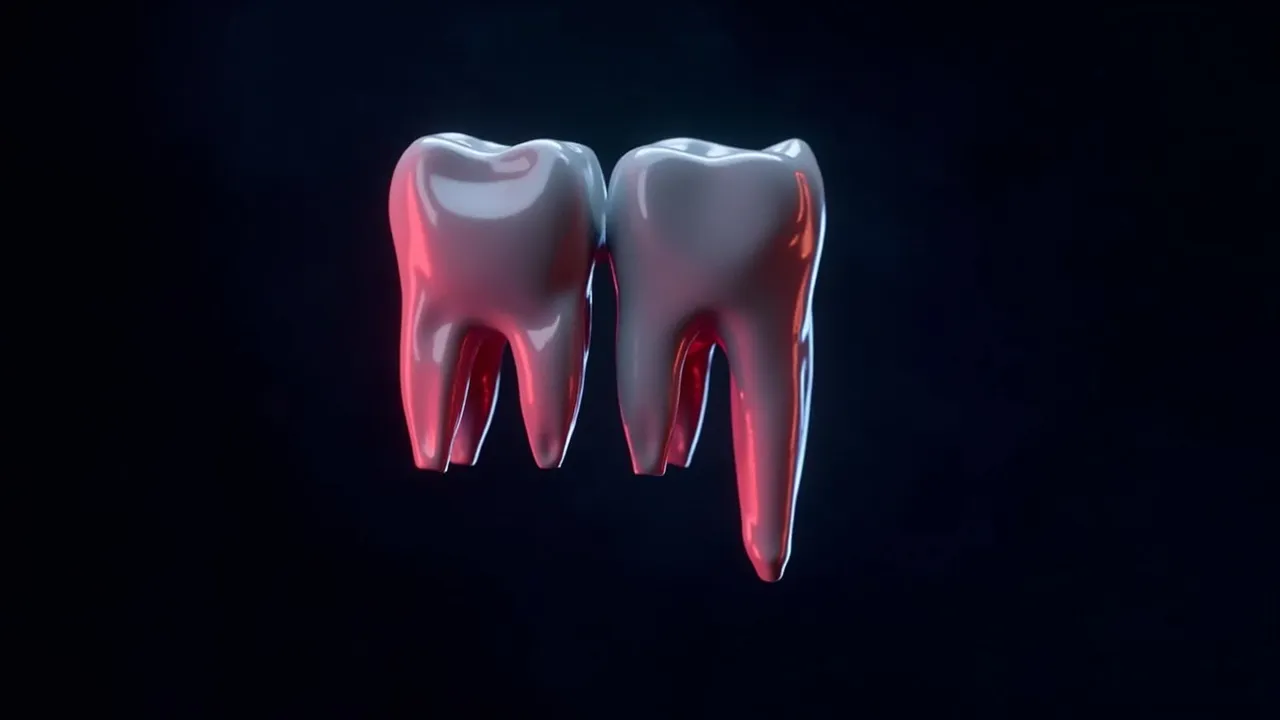
Imagine never having to worry about losing a tooth again — because you could just grow a new one. That's the wild possibility Japanese researchers are chasing, and they're already testing it on humans. Let me explain why this actually might work.
Ever wonder why some days you can power through anything while other days even loading the dishwasher feels impossible? Researchers might have just uncovered why — and it's all thanks to a tiny group of brain cells you've probably never heard of.

Seventy-nine years after the devastating attack on Hiroshima, researchers made an unexpected discovery in the ruins: tiny particles containing a brand-new metal alloy that could only form under the unimaginable heat of a nuclear fireball. This finding isn't just scientifically fascinating—it's giving us a glimpse into how extreme conditions create materials we simply can't replicate in any laboratory.

In the 1950s, a treasure hunter named Teddy Tucker stumbled upon a jaw-dropping gold cross encrusted with seven emeralds from a centuries-old Spanish shipwreck. Decades later, just before Queen Elizabeth II was scheduled to visit, someone swapped the priceless artifact with a cheap plastic replica—and nobody knows who did it.
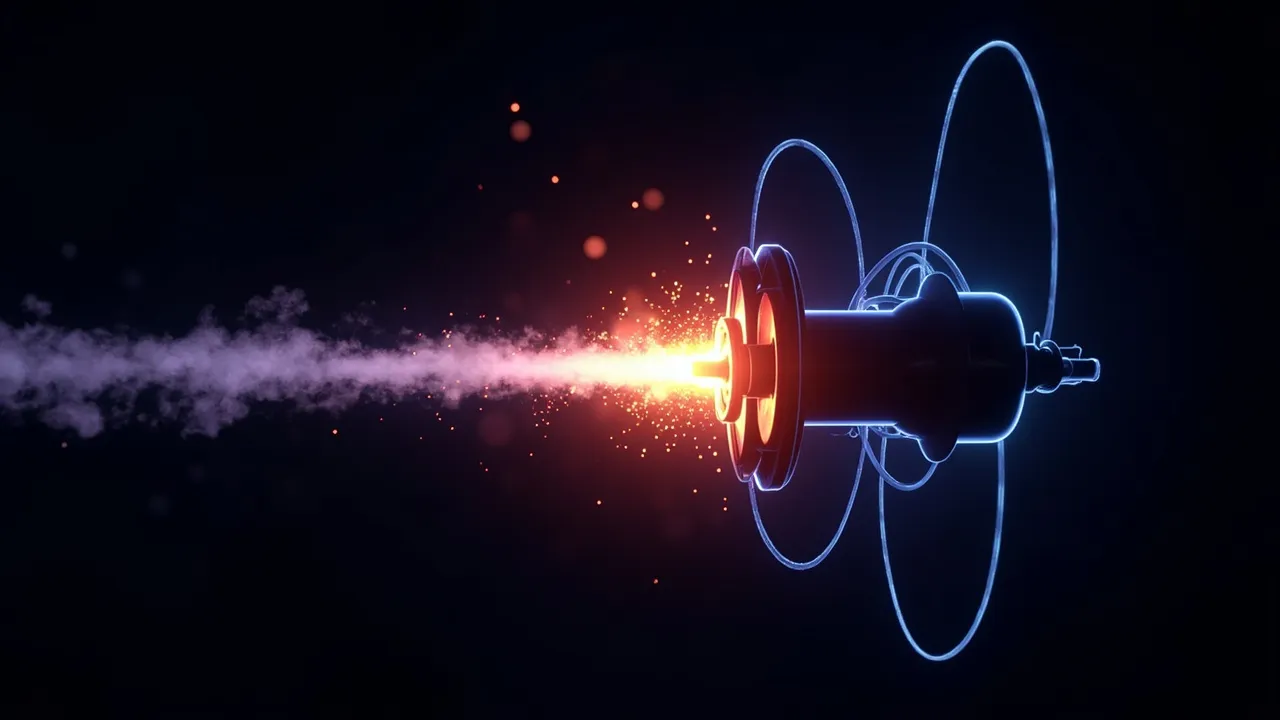
Engineers at a German research institute just ran a hydrogen turbine for over five minutes straight using a completely new approach that skips the air compressor entirely. This isn't just a neat party trick – it could change how we think about clean energy. Let me explain why this matters.

New research reveals a surprising connection between air pollution and rheumatoid arthritis flares, with fine particulate matter emerging as a major culprit. The findings suggest something as simple as air quality could be influencing when your joints decide to act up.
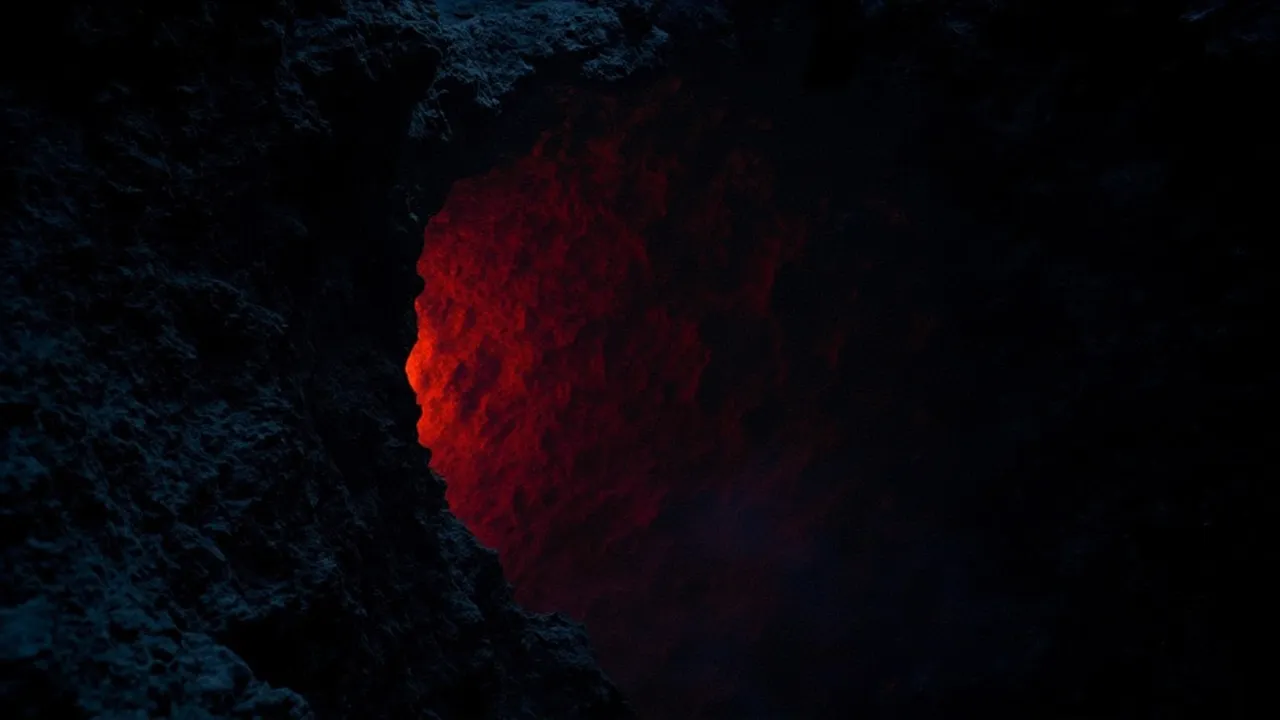
Beneath the rolling hills and famous vineyards of Tuscany lies something unexpected — an enormous underground reservoir of molten rock that no one suspected existed. And here's the wild part: there were virtually no hints at the surface that this 6,000 cubic kilometer beast was hiding below.
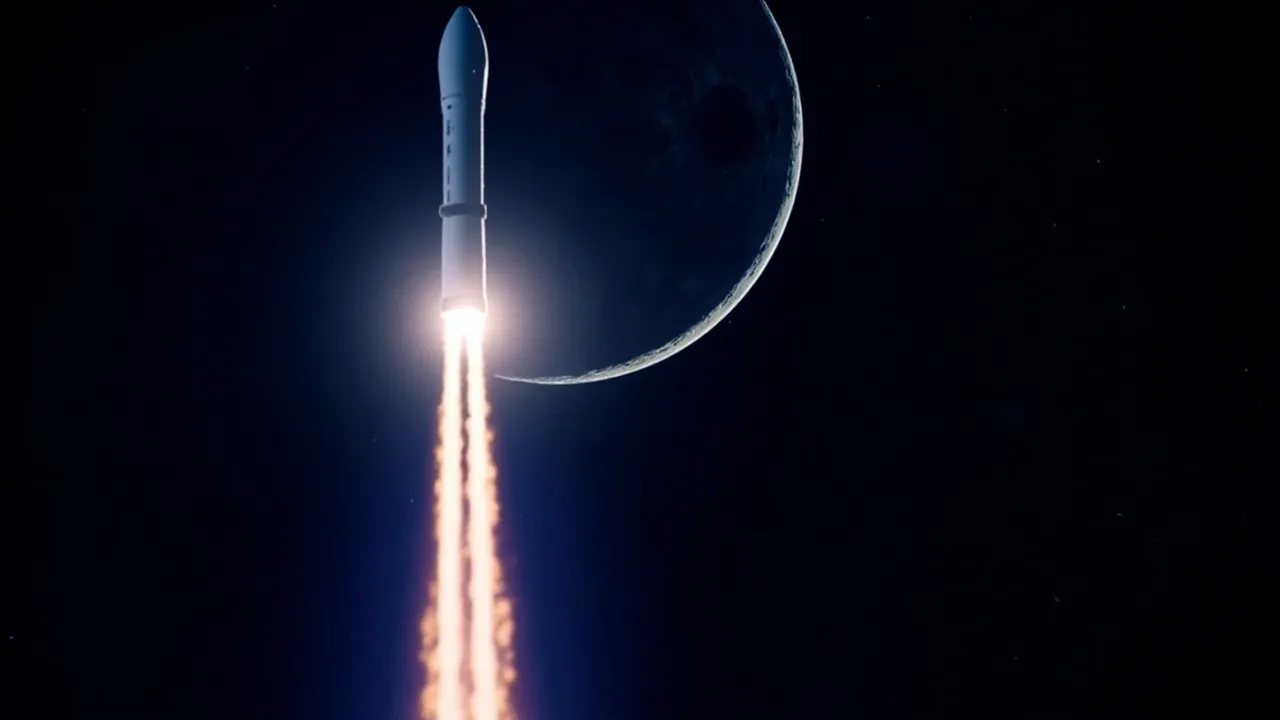
Picture this: you're SpaceX, you're sending cool stuff to the Moon, and everything goes great — except for the part where a four-ton rocket chunk slams into our lunar neighbor at 5,400 miles per hour. Yeah, that's exactly what happened, and honestly? It's kind of a wild story.

It turns out that even when AI companies say "no military," they might not really mean it—at least not when their biggest partner is involved. A new report reveals how the Pentagon got access to OpenAI's technology through Microsoft, raising some pretty interesting questions about what these AI bans actually mean in practice.