

REI just dropped their Fourth of July sale, and honestly, if you've been putting off upgrading your camping gear, there's never been a better time to take the plunge. With 25% off the brands you actually trust, this weekend is basically your ticket to better outdoor adventures without blowing your budget.
Researchers have discovered an experimental drug that can make pancreatic cancer cells essentially eat themselves alive — and the way it does this is completely unexpected. Instead of blocking cancer growth pathways like most treatments, this compound cranks them into overdrive until the cells can't handle it anymore and self-destruct.
Scientists have created a clever new technique that could help us finally understand dark energy — the mysterious force causing our Universe to expand faster and faster. The approach uses exploding stars as cosmic mileposts and AI to make sense of millions of observations.
Researchers have discovered that a protein our brains actually need for communication is being hijacked by Alzheimer's disease to spread its damage. The finding opens up a completely new way of thinking about how to slow this devastating disease.
Creatine is everywhere in the fitness world, but scientists are now wondering if this popular muscle-building supplement might do something surprising: help fight depression. A new review of clinical trials shows some intriguing results, but it's complicated.
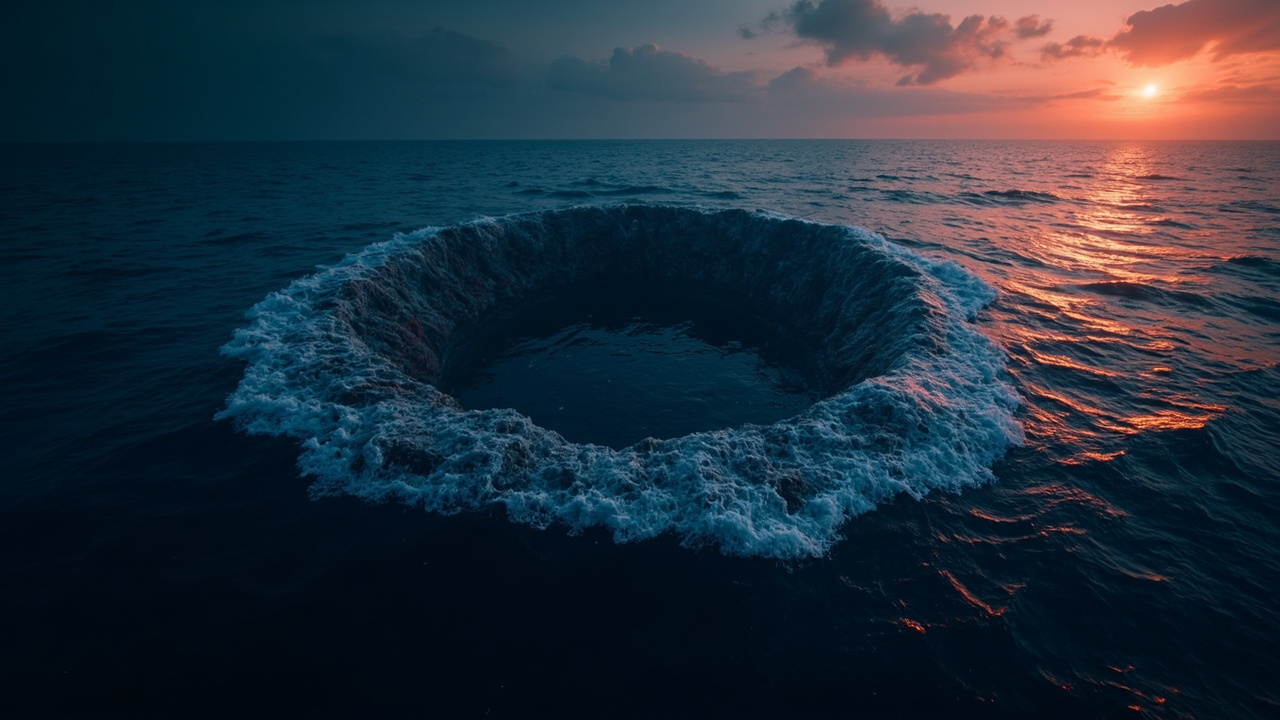
Deep beneath the choppy waters of the North Sea, there's a crater that's been baffling scientists for over two decades. Was it made by an asteroid, or something else entirely? After years of heated debate (and even a formal vote!), researchers have finally cracked the case — and the answer is absolutely wild.
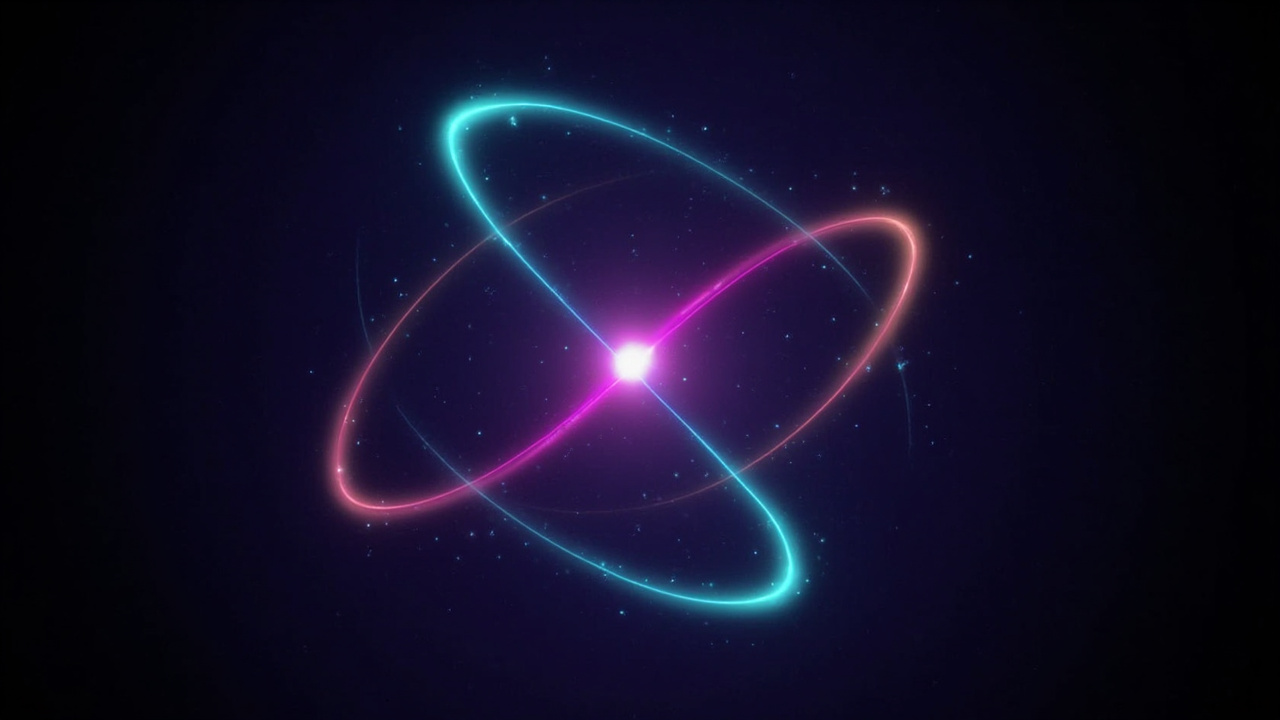
Remember Schrödinger's cat that's both alive and dead? Turns out, quantum physics has been holding out on us. Scientists at Oxford University have created entirely new types of quantum "cat states" that go way beyond the simple either/or scenario we've been using as a mental shortcut for decades. This isn't just cool for nerds — it could genuinely change how we build tomorrow's computers.
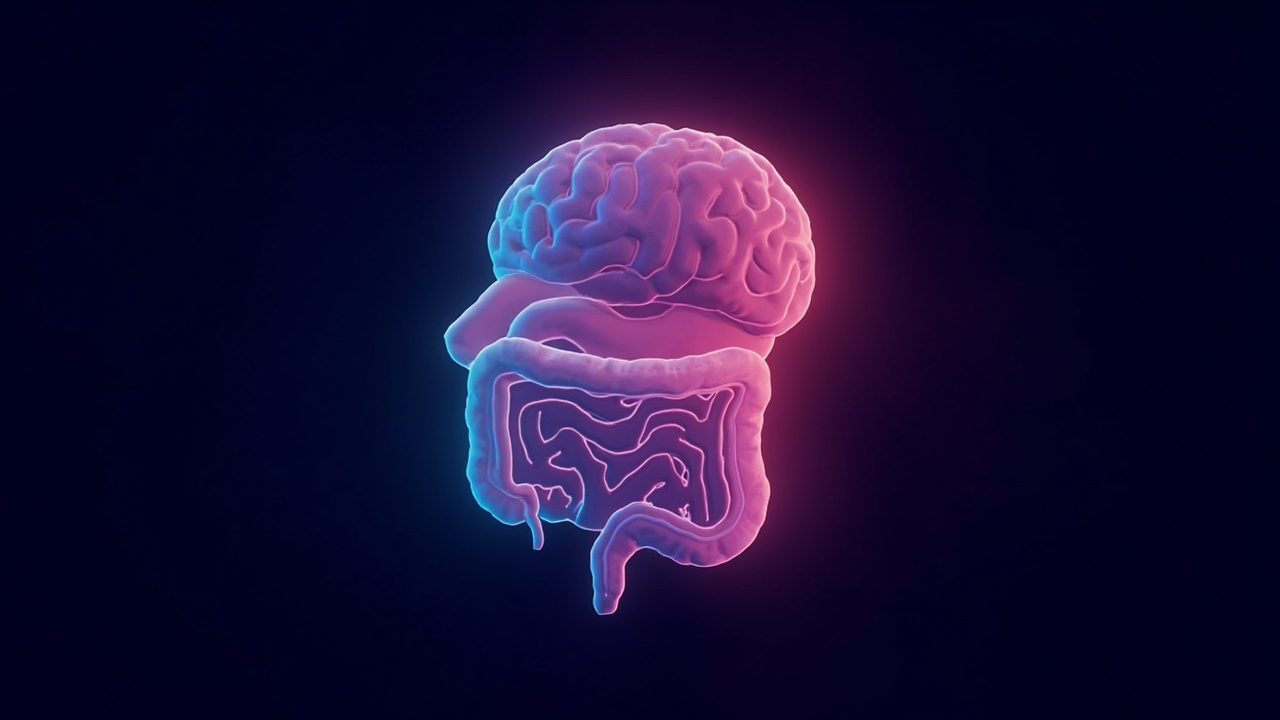
Scientists have discovered something pretty wild: the key to a younger, more adaptable brain might live in your intestines. A new study on mice found that fecal transplants from young donors can actually restore a youthful ability called neuroplasticity—the brain's capacity to rewire itself. And honestly? This is one of those discoveries that makes you realize how little we understand about our own bodies.

Imagine flying through the dark skies over Nazi Germany in 1944, when suddenly glowing orbs of light start chasing your plane. This wasn't a scene from a sci-fi movie—it was the real-life experience of Allied pilots during WWII, and nobody could explain what these mysterious fireballs actually were.
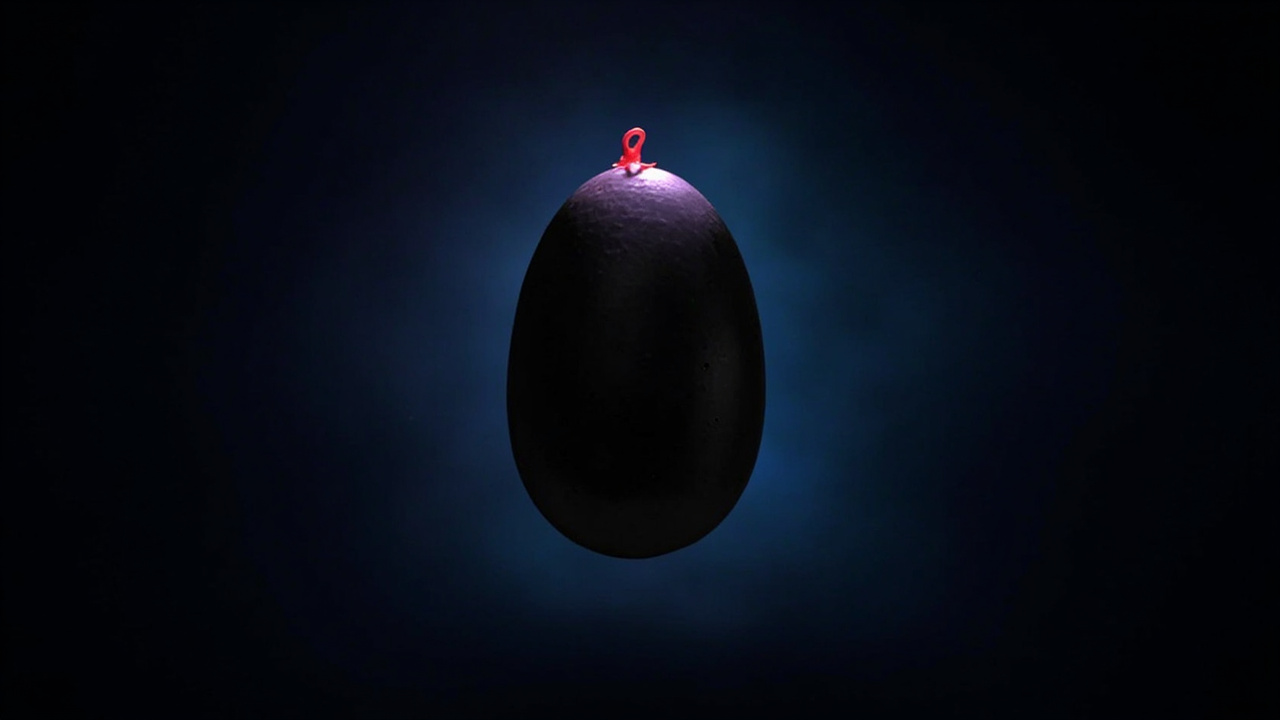
Scientists piloting a deep-sea robot stumbled upon mysterious jet-black eggs in one of the ocean's most extreme environments—and what hatched out of them defied everything we thought we knew about these tiny creatures.
Harvard physicist Avi Loeb has made a career out of daring to ask whether we might have already spotted alien technology—and while the scientific establishment largely dismisses him, his ideas are getting harder to ignore.
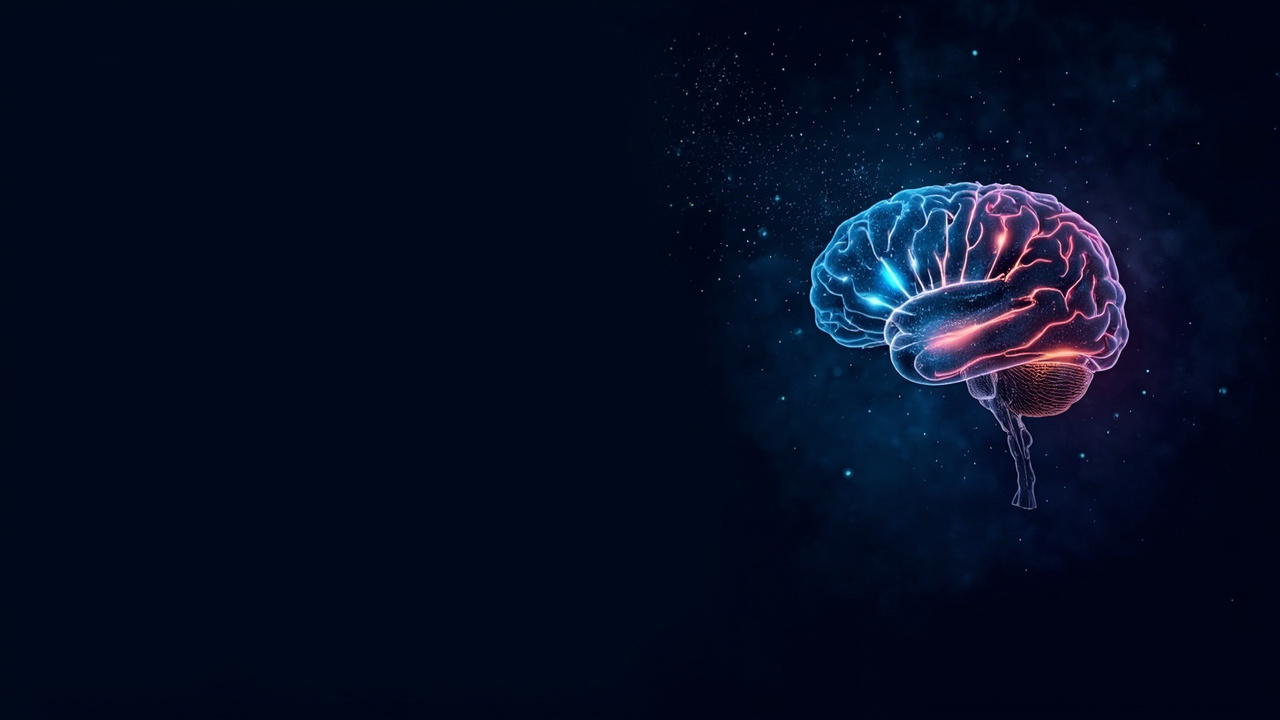
Scientists are discovering that death might not be the instant "lights out" moment we imagined. New research reveals your brain could be working overtime in its final seconds, creating something that looks suspiciously like the near-death experiences millions of people have reported for centuries.
In July 2002, nine coal miners in Pennsylvania found themselves trapped 240 feet underground when their tunnel broke through into an abandoned mine filled with 50 million gallons of water. What followed was a race against time that would capture the nation's attention and remind us what ordinary people are capable of when they refuse to give up.
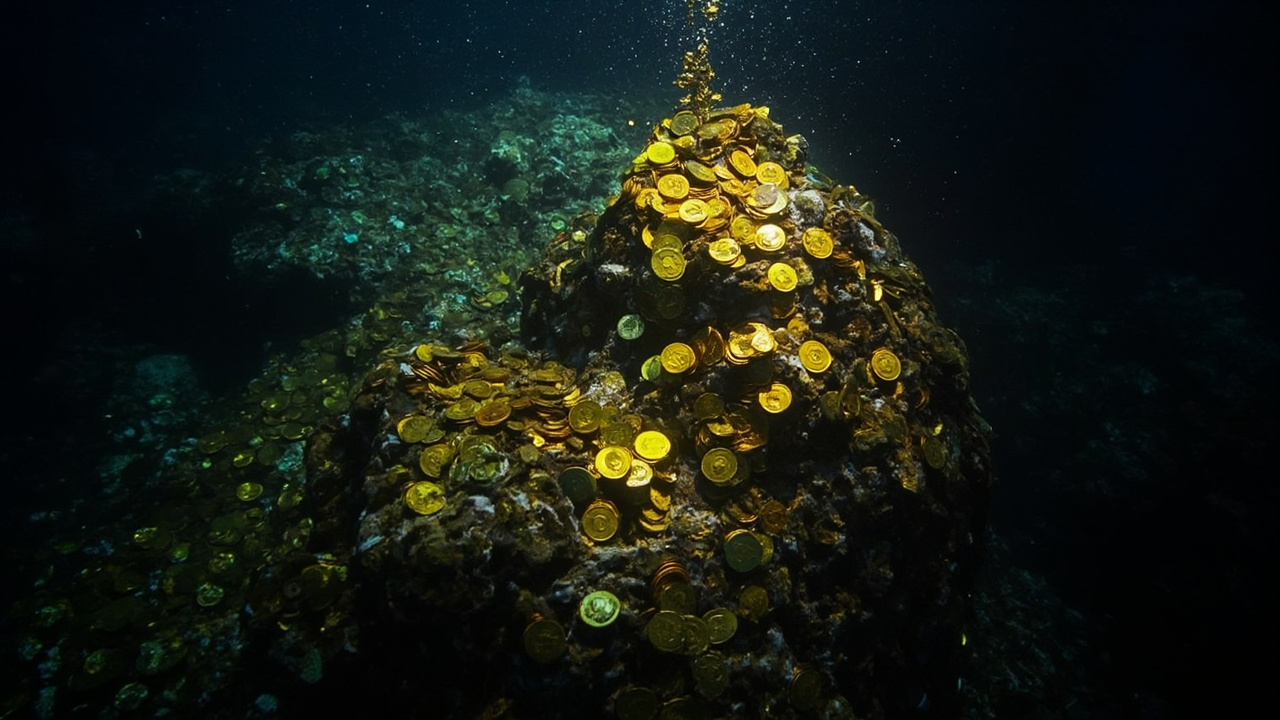
Imagine diving 60 feet underwater and finding a glittering pile of pure gold coins, jewelry, and mysterious artifacts just sitting there on the ocean floor. That's exactly what happened off the coast of Devon, England back in 1995. For three whole decades, nobody knew where this treasure came from. Now, finally, we do—and the story behind it is absolutely wild.
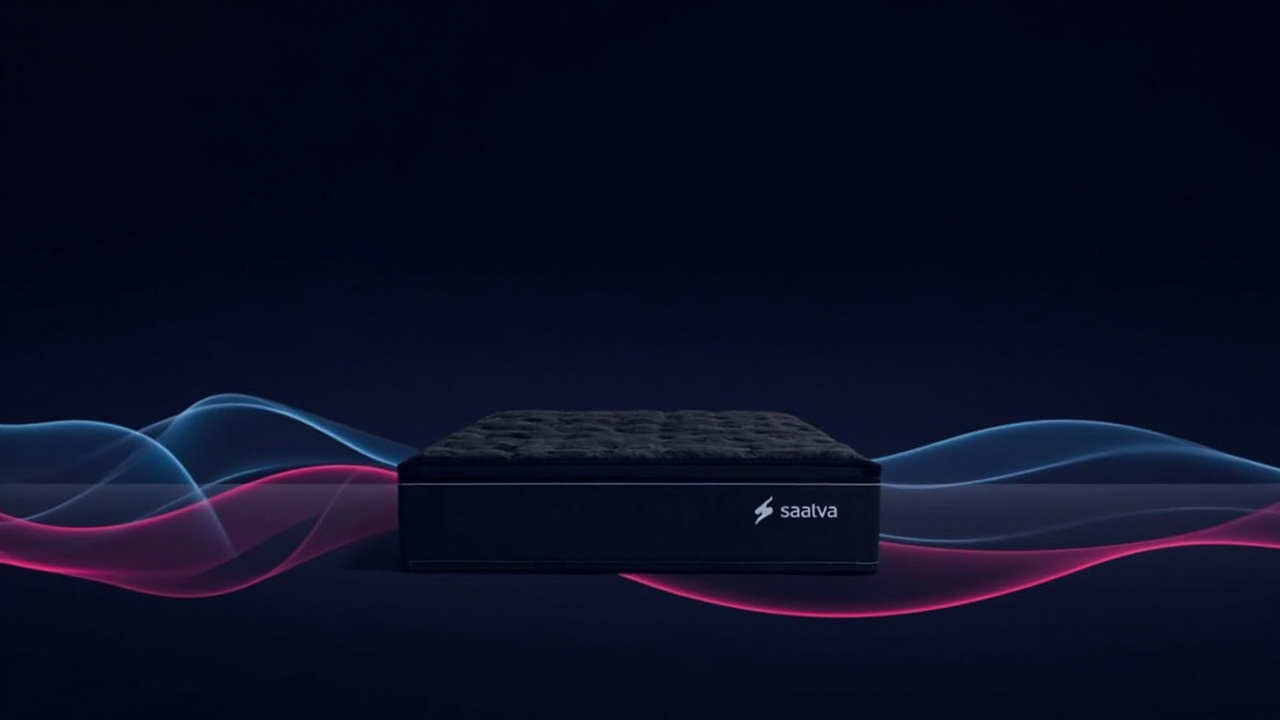
Saatva's Fourth of July sale offers 20% off orders over $1,000 — and yes, that's over $1,000 in savings. But here's what really caught my eye: the U.S. Olympic team sleeps on these mattresses. Let me tell you why that matters.

Agustina Velez Picatto can voluntarily enter psychedelic-like states of consciousness without taking any substances—and researchers just watched her brain do it. This isn't just cool science; it might completely change how we understand altered states of mind.

Motorola just dropped a compact budget phone that's lighter than Apple's sleekest iPhone, lasts all day on a single charge, and has a camera setup that punches way above its price tag. After spending weeks with it, I think this might be the budget phone to beat in 2026.

I thought I knew what clean floors looked like until I tried a vacuum with LED headlights. Spoiler alert: I was very, very wrong. Here's why the Bissell PowerClean FurFinder has completely changed my cleaning routine.
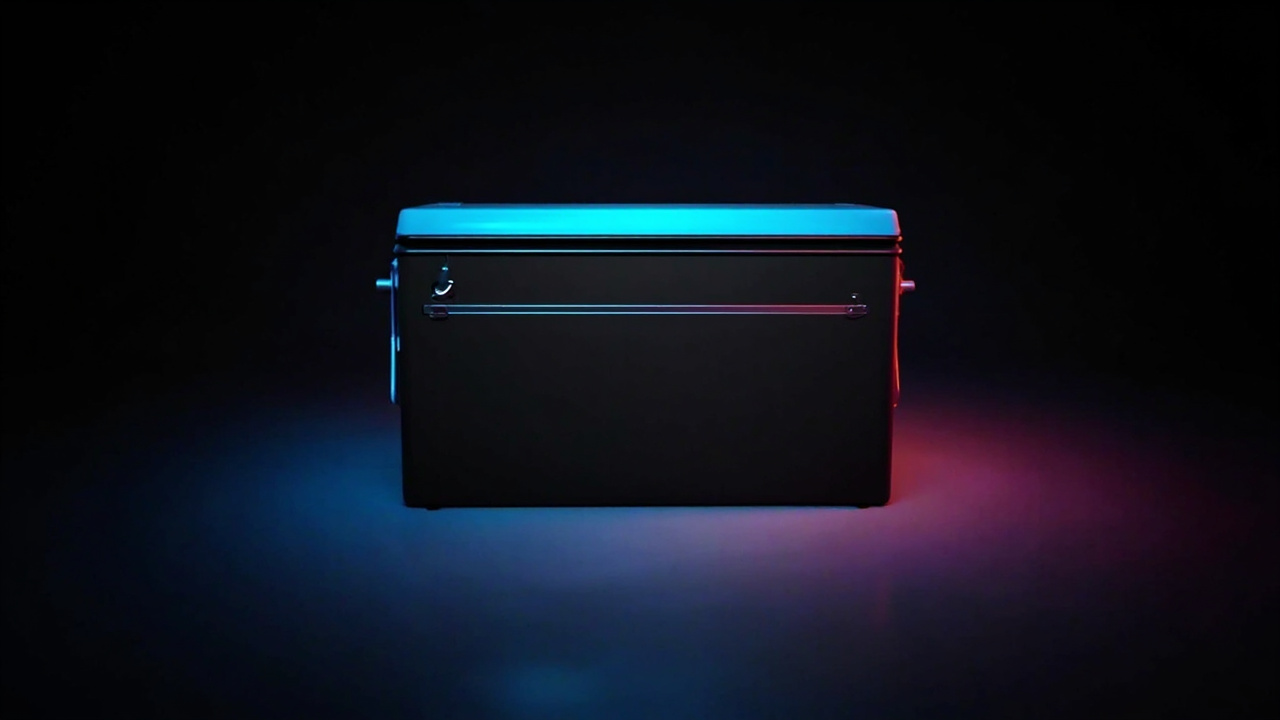
As we gear up for July 4th celebrations, there's something about metal coolers that just hits different. They're nostalgic, they keep your drinks colder longer, and honestly, they make you look like you have your life together at any backyard BBQ.
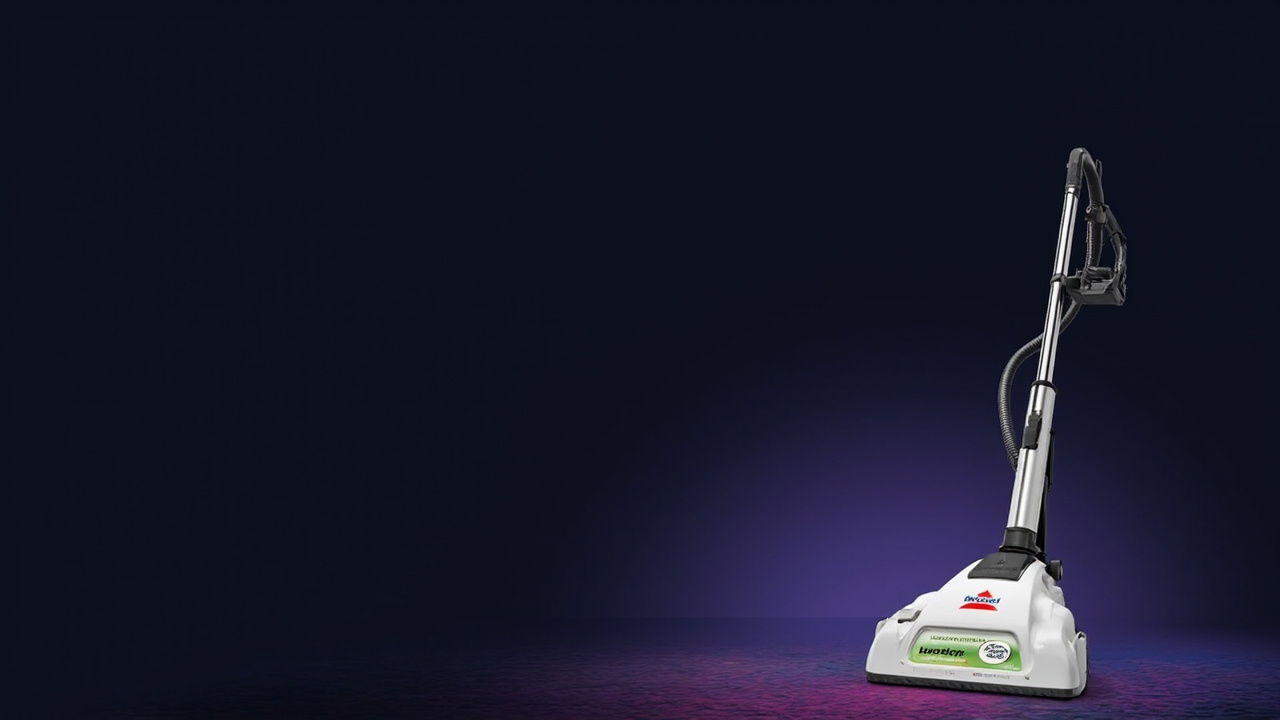
After years of living with "clean enough" carpets, I tested the Bissell Revolution HydroSteam and discovered what I've been missing. Spoiler: my rugs have never looked this good, and I'm genuinely wondering why I didn't do this sooner.