
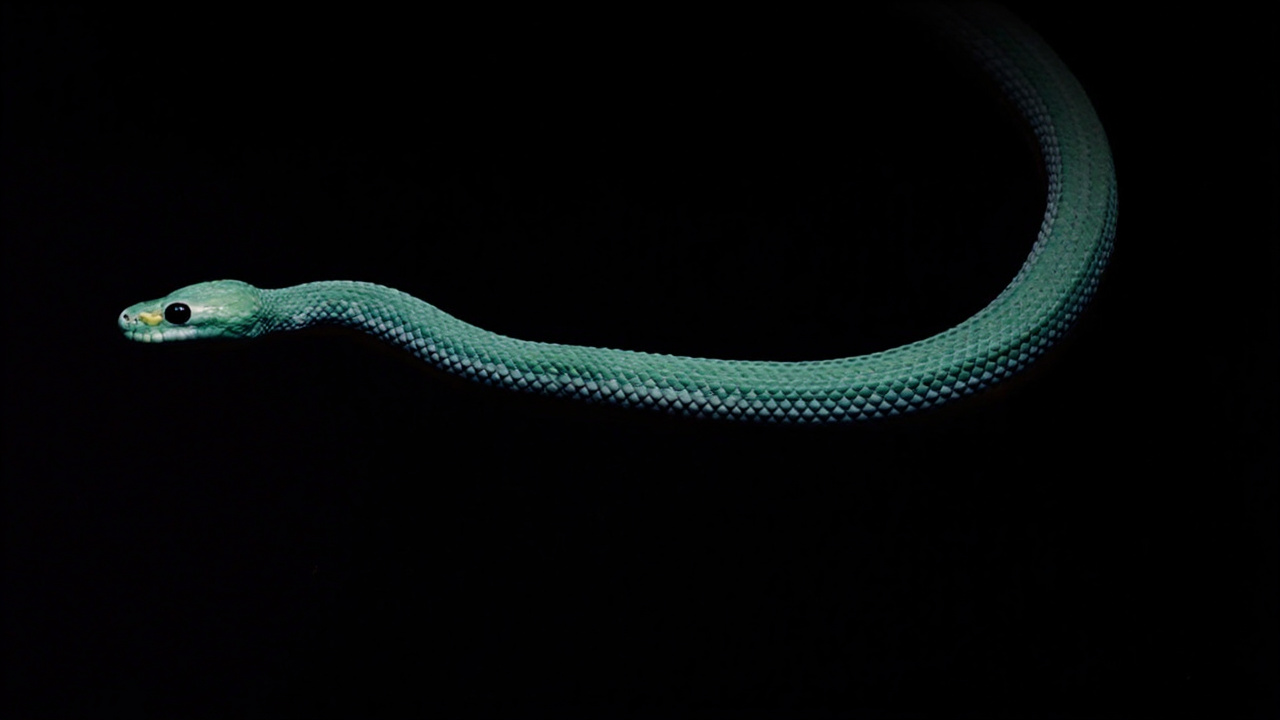
Scientists just realized that what we thought was one venomous snake species in the Himalayas is actually five different ones—and three of them are completely new to science. It's a wild reminder that even in our modern age, nature still has major secrets tucked away in remote mountain ranges.
Imagine your workplace suddenly losing its CEO, and instead of everyone panicking, some colleagues quietly kept everything running while others fought for the top job. That's basically what happens in tropical wasp colonies—and scientists just discovered the fascinating way these insects survive complete leadership meltdown.

Scientists just created a geological GPS system for rare earth elements—the stuff powering your smartphone and electric car. By studying ancient continental rocks and earthquake data, researchers figured out where these precious metals hide, which could change how we hunt for technology's secret ingredients.
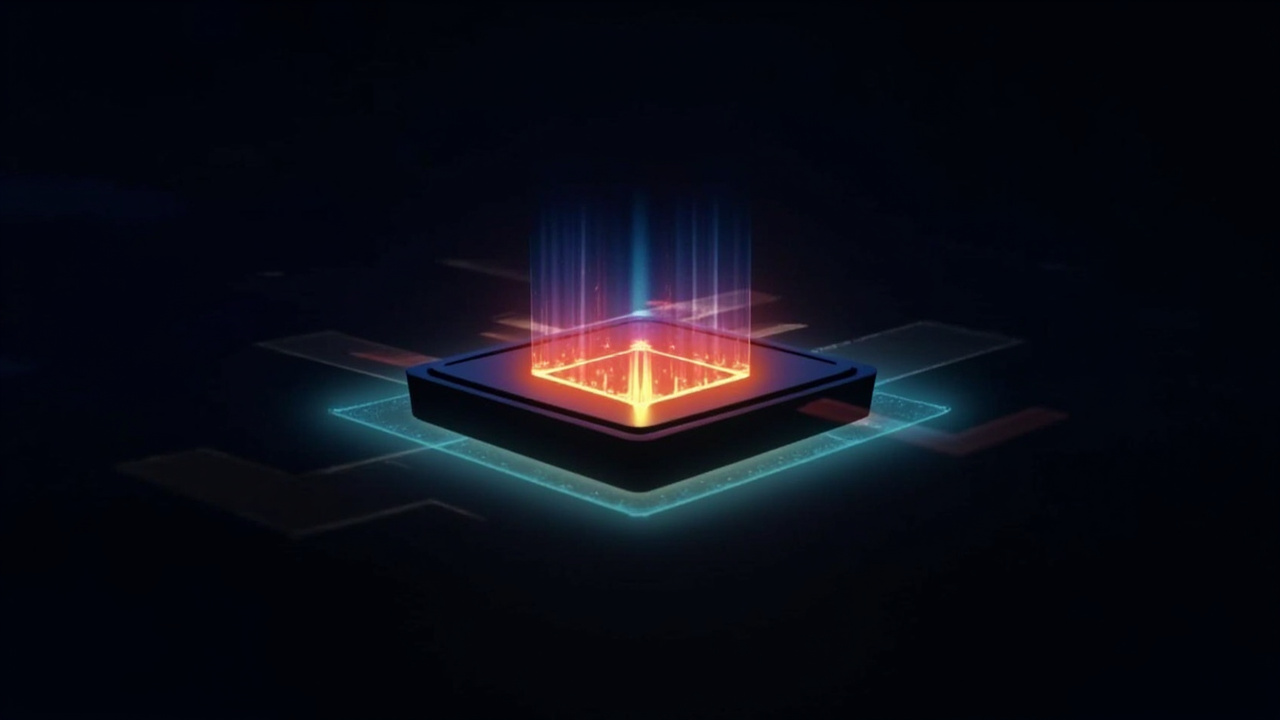
Researchers have created a spectrometer chip so tiny you could barely see it, but it's powerful enough to analyze what things are made of. Instead of using bulky prisms and lenses, this breakthrough uses AI and clever engineering to do the job in a way that could revolutionize medicine, food safety, and environmental monitoring.
Scientists at the world's biggest particle smasher might have finally found a crack in our 50-year-old understanding of how the universe works. The evidence isn't quite definitive yet, but it's the closest thing we've seen in decades to discovering totally new physics.
What if the fuzzy memory and mental sluggishness you blame on getting older could actually be reversed? Researchers just demonstrated something wild—a two-dose nasal spray that appears to undo some of the damage aging does to your brain, and the results are making waves in neuroscience.
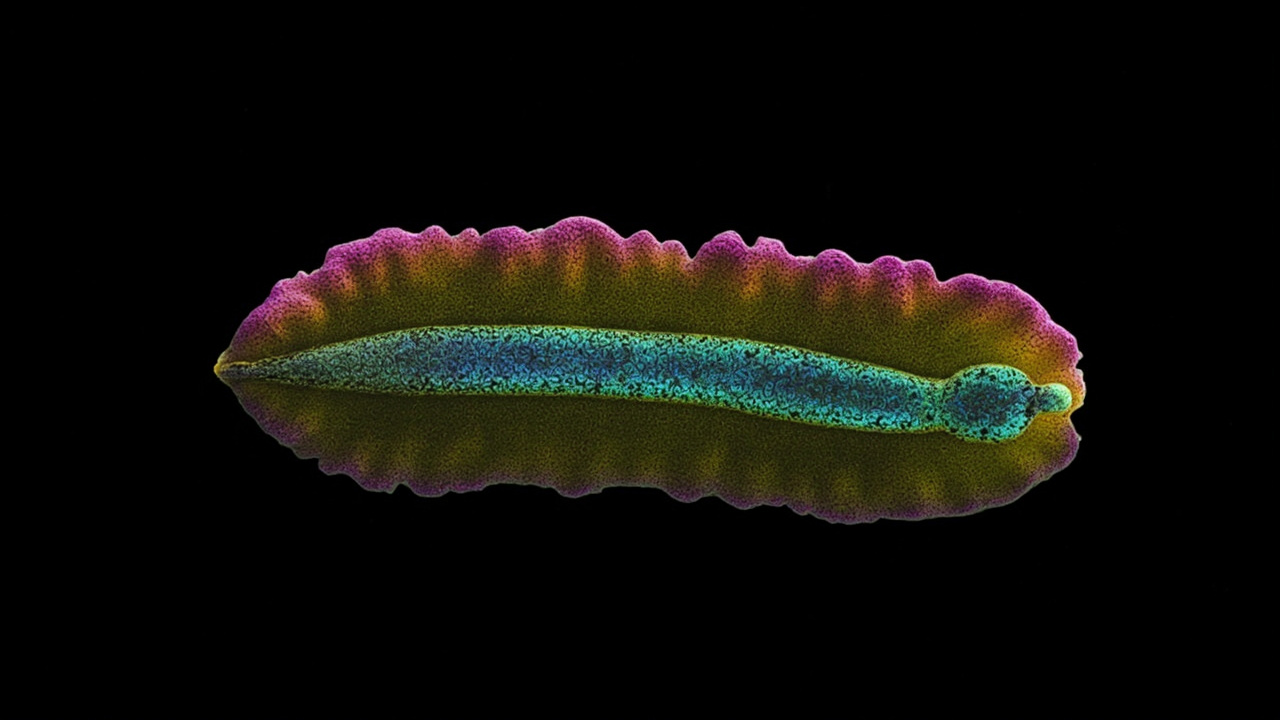
In 2017, researchers thought they'd found the oldest microscopic animals ever—but a team with fancy new technology decided to take another look. Turns out, what everyone assumed were tiny creature burrows were actually something completely different.
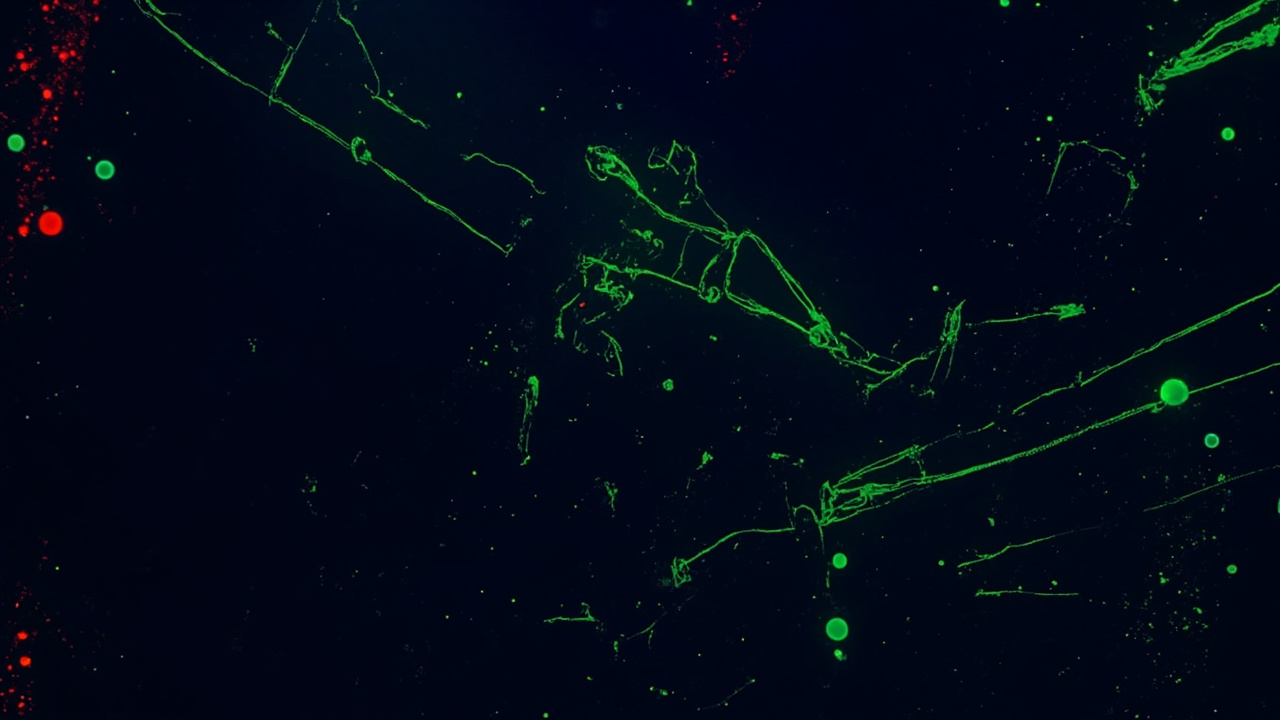
Underwater archaeologists just pulled back the curtain on one of Europe's shadiest smuggling operations—and they found the evidence sitting at the bottom of a Spanish harbor. A mysterious 17th-century wreck packed with contraband from across the continent is telling us that the "official" history of trade back then was way more interesting (and illegal) than the textbooks suggest.
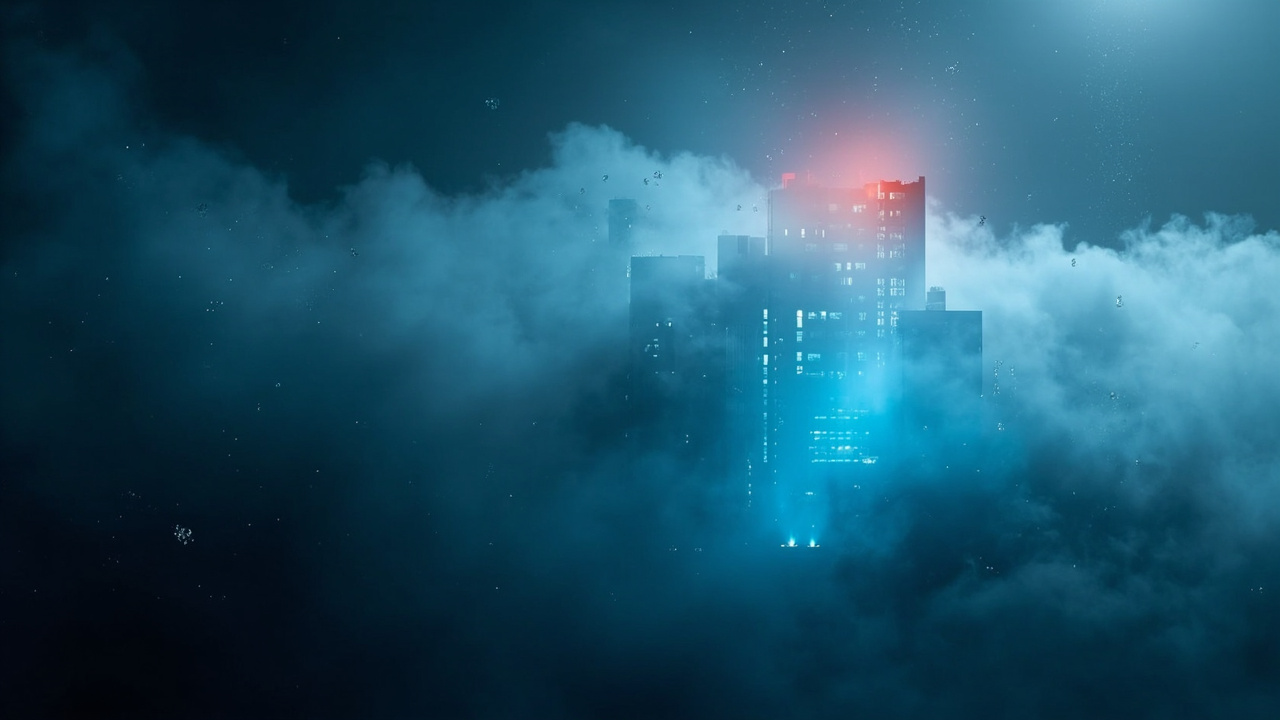
Scientists just found out that fog is teeming with living bacteria that actively eat pollution and reproduce in the clouds. It sounds like science fiction, but it's completely real—and it might actually be helping clean our air.
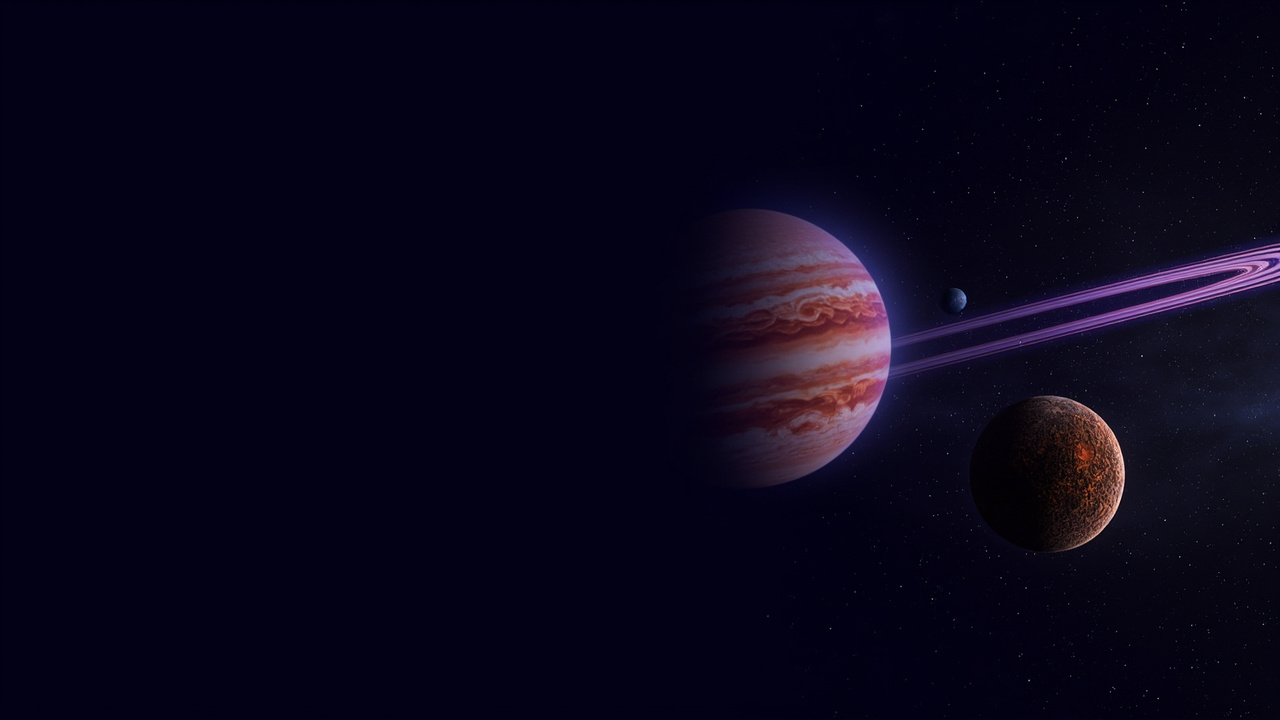
Scientists just figured out where a huge chunk of our solar system's planets came from — and it's basically a "planet-making hotspot" that orbited right next to Jupiter billions of years ago. By combining computer simulations with actual meteorite data, researchers have cracked one of space's biggest mysteries: how the early solar system churned out so many different types of rocky bodies in one place.
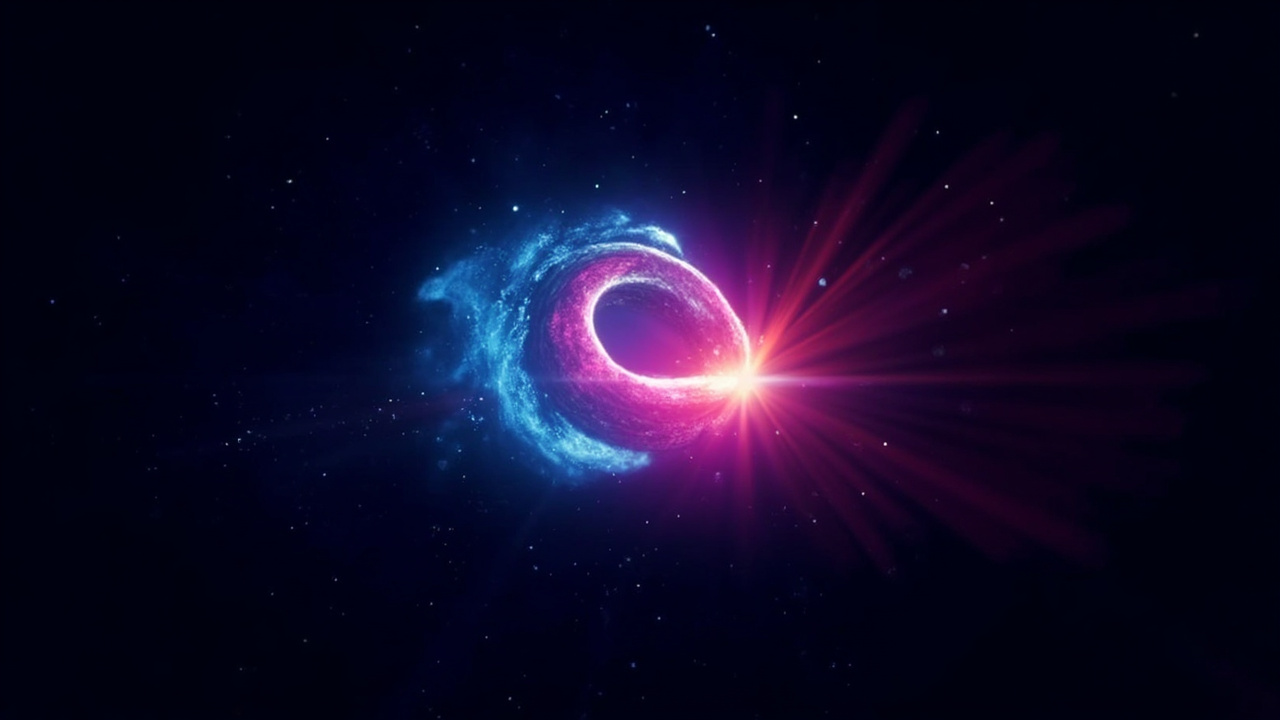
Scientists just cracked a cosmic mystery that's stumped researchers for 70 years: how turbulent, chaotic plasma in space somehow creates massive, organized magnetic fields. The answer? A surprising pattern hidden in the chaos, discovered through mind-bogglingly powerful computer simulations.
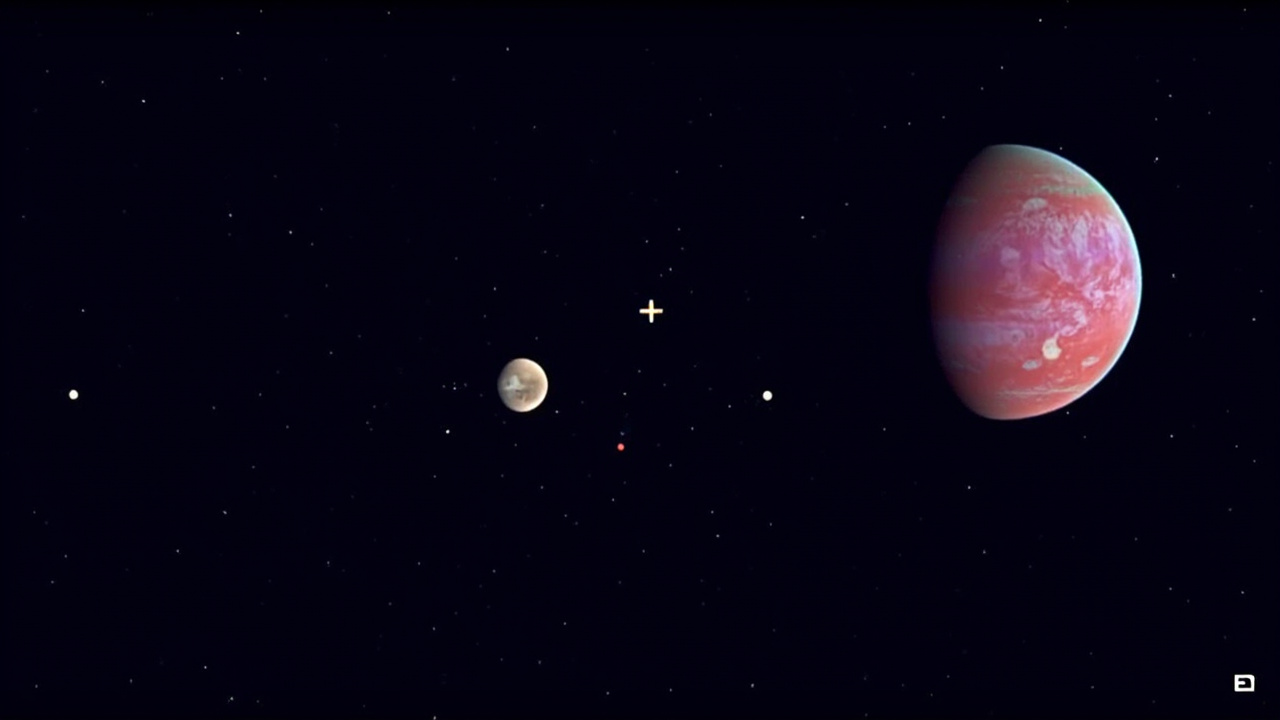
NASA's Psyche spacecraft just used Mars like a cosmic bowling alley, bouncing off the planet's gravity to gain speed without burning a single drop of fuel. This clever maneuver not only saved energy but also gave scientists an unexpected gift: thousands of photos and instrument readings they can use to prep for the real mission ahead.

Researchers at USC have uncovered a sneaky enzyme that could be fueling Alzheimer's disease, especially in people with a specific genetic risk. Even better? They've already found experimental compounds that might be able to dial it down without breaking the brain's other important functions.
Here's some genuinely good news: beans and tofu aren't just trendy health foods—they might actually be one of your most powerful weapons against high blood pressure. A massive global study just revealed that eating the right amount of plant-based proteins could cut your hypertension risk by nearly a third.
Your cells are constantly dividing and copying their DNA, but sometimes things go hilariously wrong and a cell ends up with twice as much genetic material as it should have. Scientists just discovered something wild: the way the cell messes up determines whether it'll survive or self-destruct—and this could change how we fight cancer.
Here's the uncomfortable truth nobody wants to hear: AI probably won't eliminate your job. But someone who knows how to use AI really well? They might just eliminate yours. A fascinating new study from Finland reveals that the real workplace divide isn't between humans and machines—it's between people who embrace AI and those who don't.
For 40 years, doctors have automatically prescribed beta blockers to heart attack survivors like it's going out of style. But a massive new study just revealed that for many patients, these pills might be doing absolutely nothing — and could even be harmful, especially for women.
Scientists just figured out the cellular game of cat-and-mouse happening inside your brain when you take weight loss drugs like Ozempic. It turns out your neurons are way more complicated than we thought—and that might explain why these drugs work better for some people than others.
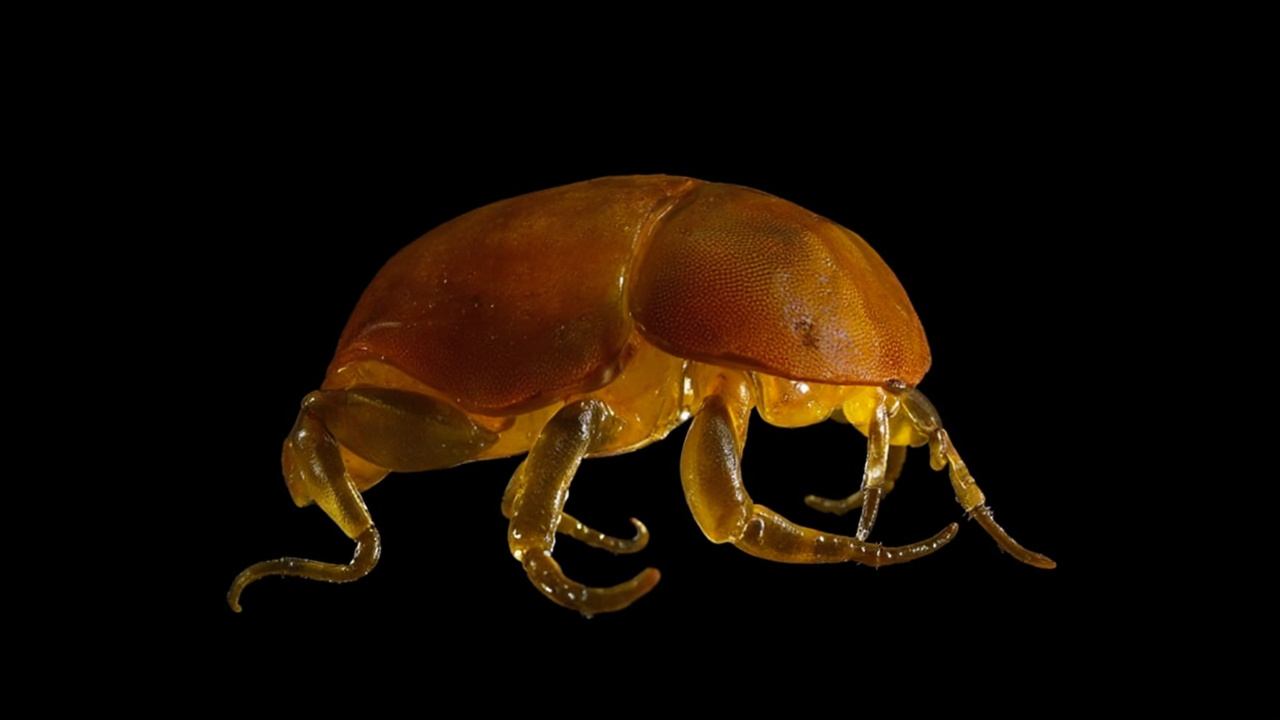
Deep in ancient amber from Myanmar, researchers discovered a bizarre insect from the age of dinosaurs that had something totally unexpected: massive crab-like pincers instead of normal bug legs. This discovery is forcing scientists to rethink how often nature decides to independently evolve the same weird solutions to survival problems.
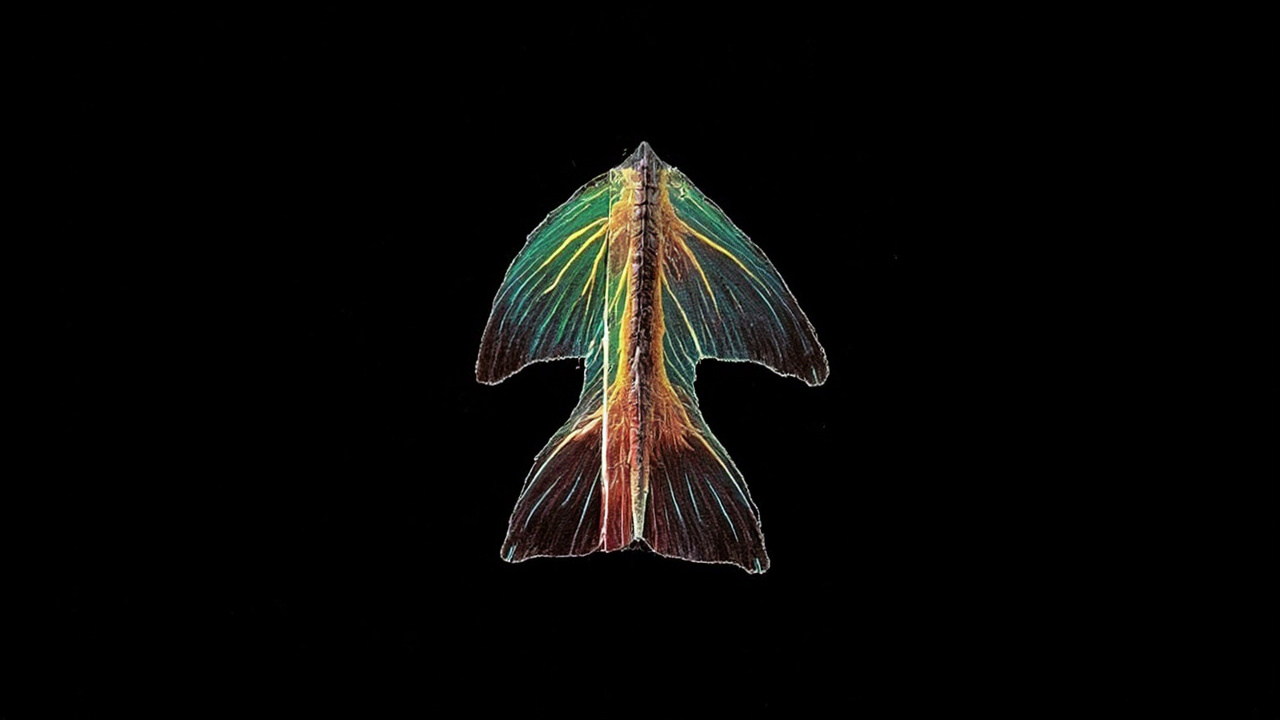
Scientists just got an unprecedented peek inside a 380-million-year-old fish fossil using cutting-edge imaging technology, and what they found might finally explain how our distant ancestors made the incredible leap from water to land. The discovery reveals a remarkable creature that was part fish, part pioneer—and totally fascinating.