
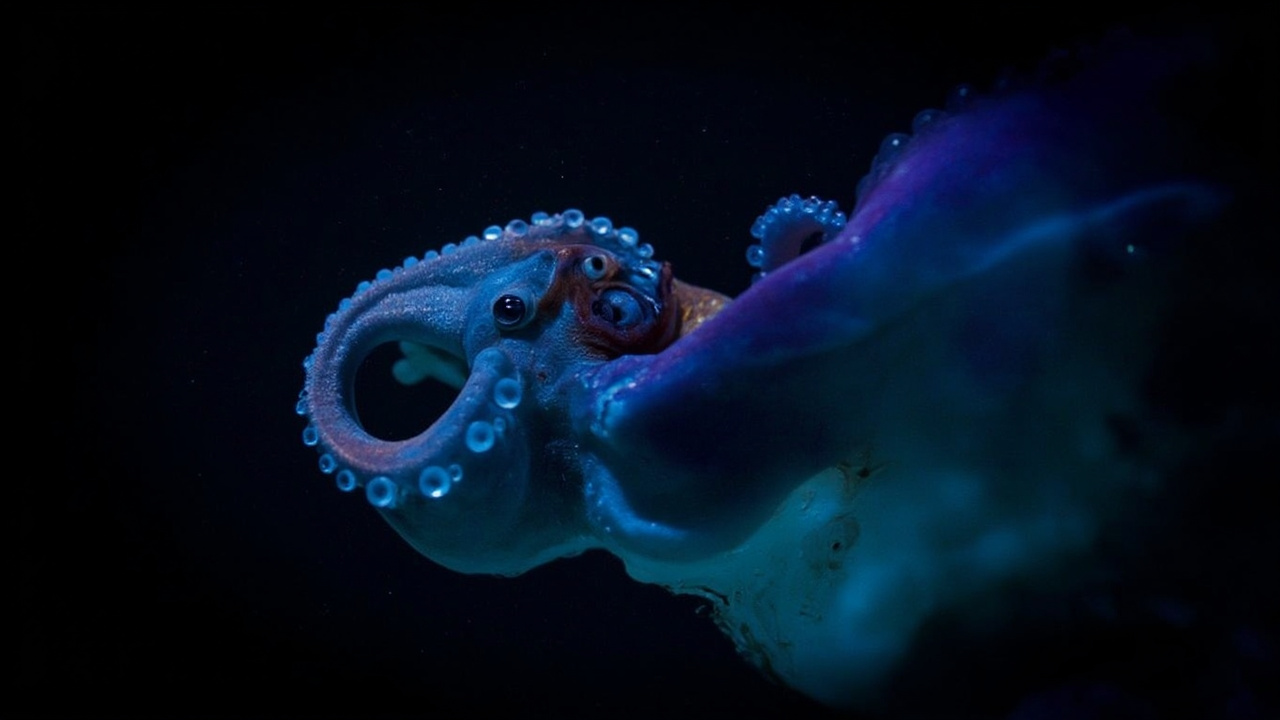
Researchers exploring the depths near the Galápagos Islands stumbled upon an adorable, golf-ball-sized blue octopus that nobody had ever seen before. But here's the twist—they only had one specimen, so they couldn't use traditional methods to identify it. Instead, they turned to some seriously cool technology that let them peek inside without cutting it open.
Here's something wild: the bacteria living in your mouth might be the reason beet juice can actually lower your blood pressure. A new study reveals that this natural remedy works differently depending on your age, and the mechanism is absolutely fascinating.

Scientists just figured out how to supercharge your body's natural cancer fighters without permanently rewiring your DNA. The result? A cancer therapy that might actually be cheaper, faster, and safer than what we're doing today.
Researchers have discovered a hidden protein in your liver that acts like a dimmer switch for cholesterol, controlling how much gets pumped into your bloodstream. This breakthrough could completely change how we treat heart disease and fatty liver problems — without relying solely on the cholesterol drugs we've used for decades.

A new AI study analyzed hundreds of thousands of Reddit conversations and found that patients are reporting side effects from popular weight loss medications that aren't showing up in official medical records. Some of these symptoms—like menstrual changes and temperature issues—are flying under the radar and deserve real scientific attention.
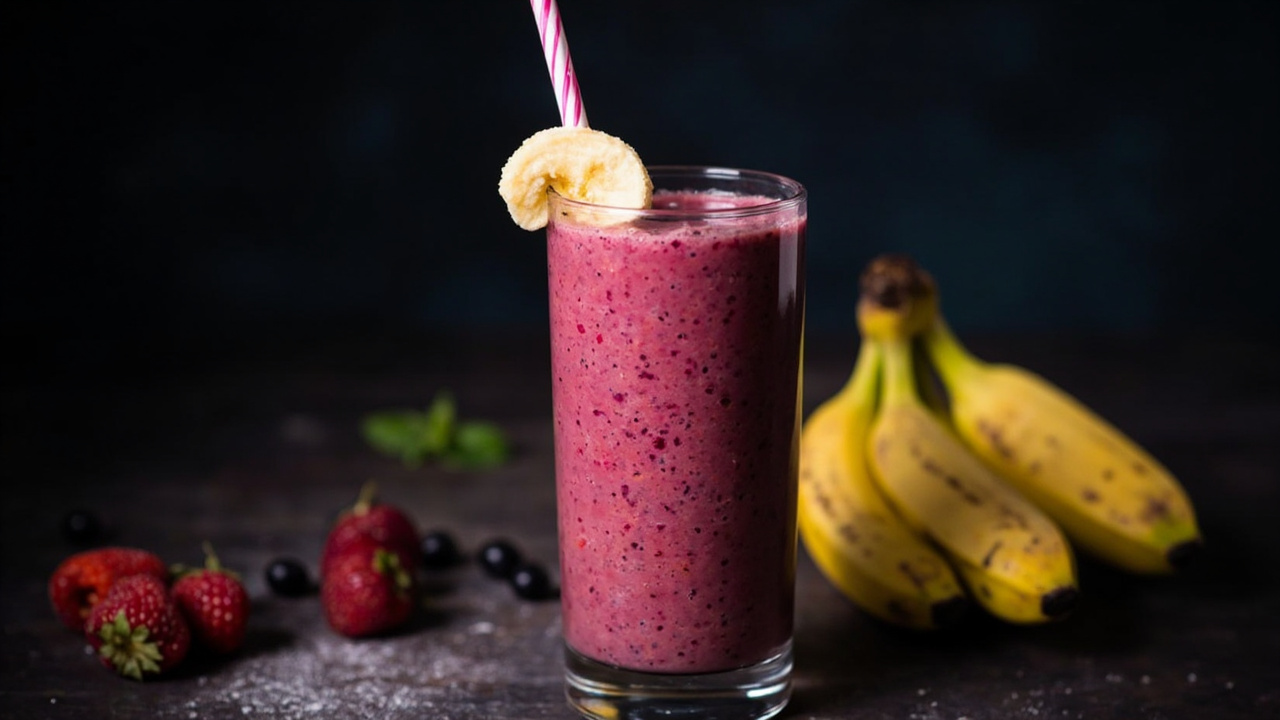
You've been making smoothies "wrong" this whole time—and a new study reveals why that innocent banana might be sabotaging all those healthy berries you threw in. Researchers found something surprising about how bananas interact with other smoothie ingredients, and honestly, it changes the game for anyone trying to get maximum nutrition from their breakfast drink.
Ever wonder why reality feels smooth and continuous instead of like a chaotic sensory overload? Your brain is running an invisible filter, and scientists are now discovering that psychedelics might be the ultimate "off" switch. A new wave of neuroscience research suggests this filtering mechanism could hold secrets about consciousness itself.

Ever noticed how your brain seems to obsess over the day's events right before you drift off? Turns out, that's not random—your brain is literally hitting the mental "rewind" button to strengthen memories and understand where you've been. Scientists are discovering that this nighttime replay might be one of your brain's most important superpowers.
What if chronic nerve pain wasn't actually a pain problem at all, but an energy crisis? Researchers at Duke University have discovered that damaged nerves might be suffering from low battery, and they've figured out how to give them a power boost. The results could completely change how we treat millions of people living with unbearable, persistent pain.
Three years ago, scientists detected a neutrino so powerful it shattered all previous records. Now, researchers believe they've cracked the case—and the answer points to some of the universe's most violent objects: blazars powered by supermassive black holes.

Archaeologists in Greece just uncovered wooden tools that are older than anything we've ever found before—and they're absolutely mind-blowing. These aren't crude sticks; they're carefully crafted pieces that show our ancestors had serious woodworking skills way earlier than anyone thought possible.

Researchers just discovered that your beloved house cat shares surprising genetic similarities with humans when it comes to cancer. A massive new study analyzing nearly 500 cats' tumors could unlock entirely new treatment strategies for both pets and people. It's a wild reminder that nature's solutions sometimes come from the most unexpected places.
Physicists have just watched something mind-bending happen inside a crystal: angular momentum (fancy physics speak for spinning stuff) flipping direction as it travels through the material. Using powerful laser pulses, an international team captured this quantum weirdness for the first time—and it could reshape how we understand magnetism and build better quantum tech.

What if the key to slowing down aging was hiding inside your brain the whole time? Researchers have discovered that a single protein could be the master control for how quickly we age, and they've already reversed some aging effects in mice using a simple amino acid supplement.
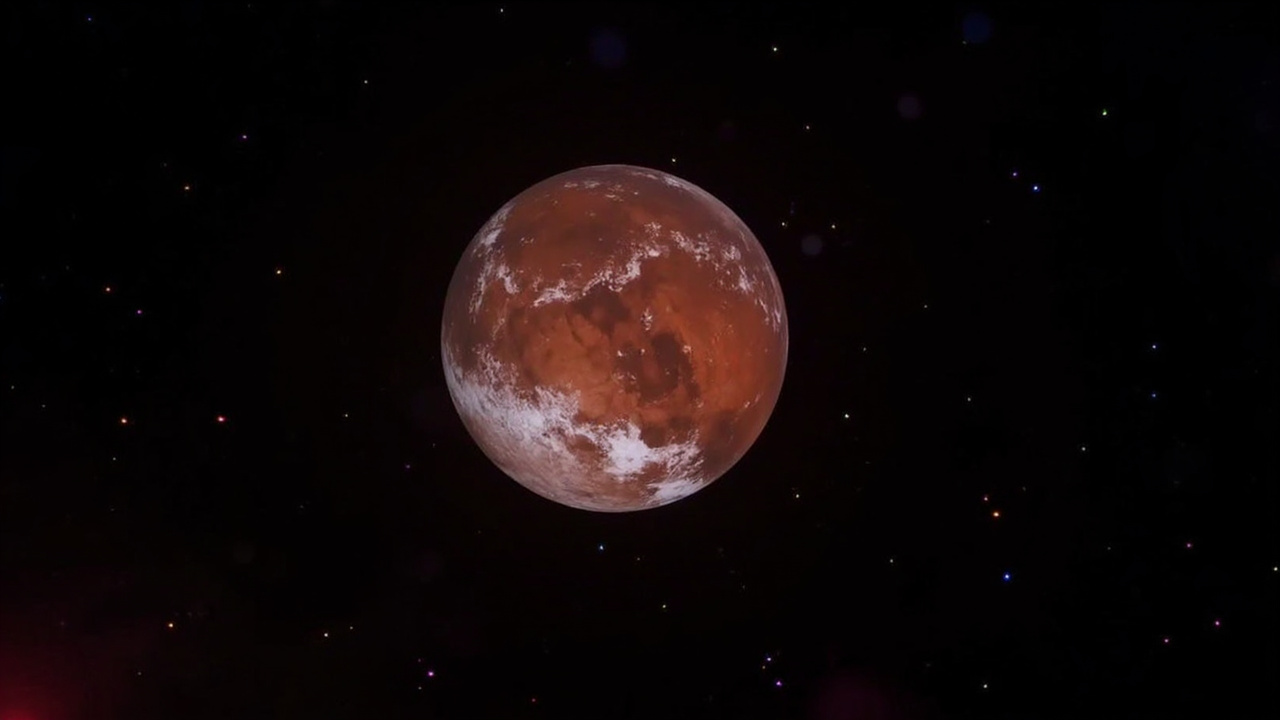
NASA's Psyche spacecraft zoomed past Mars and grabbed some incredible pictures, but this wasn't just a sightseeing trip. The spacecraft pulled off a clever gravity trick to save fuel and get itself aimed at something way more interesting—a mysterious metal-rich asteroid that might be the leftover core of an ancient planet.
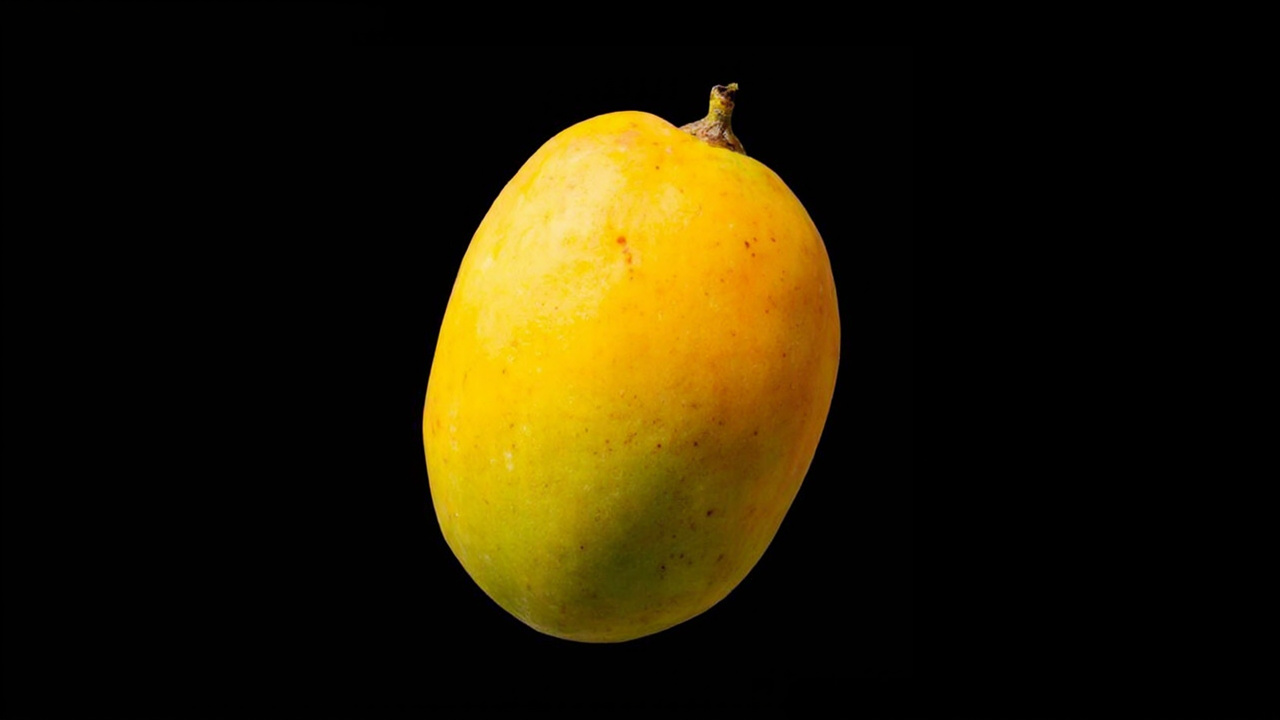
Forget everything you thought you knew about storing mangoes. Researchers have discovered that 12°C (54°F) is basically the sweet spot for keeping these tropical fruits fresh—and they've figured out exactly why your mangoes always seem to go from perfect to mushy overnight.
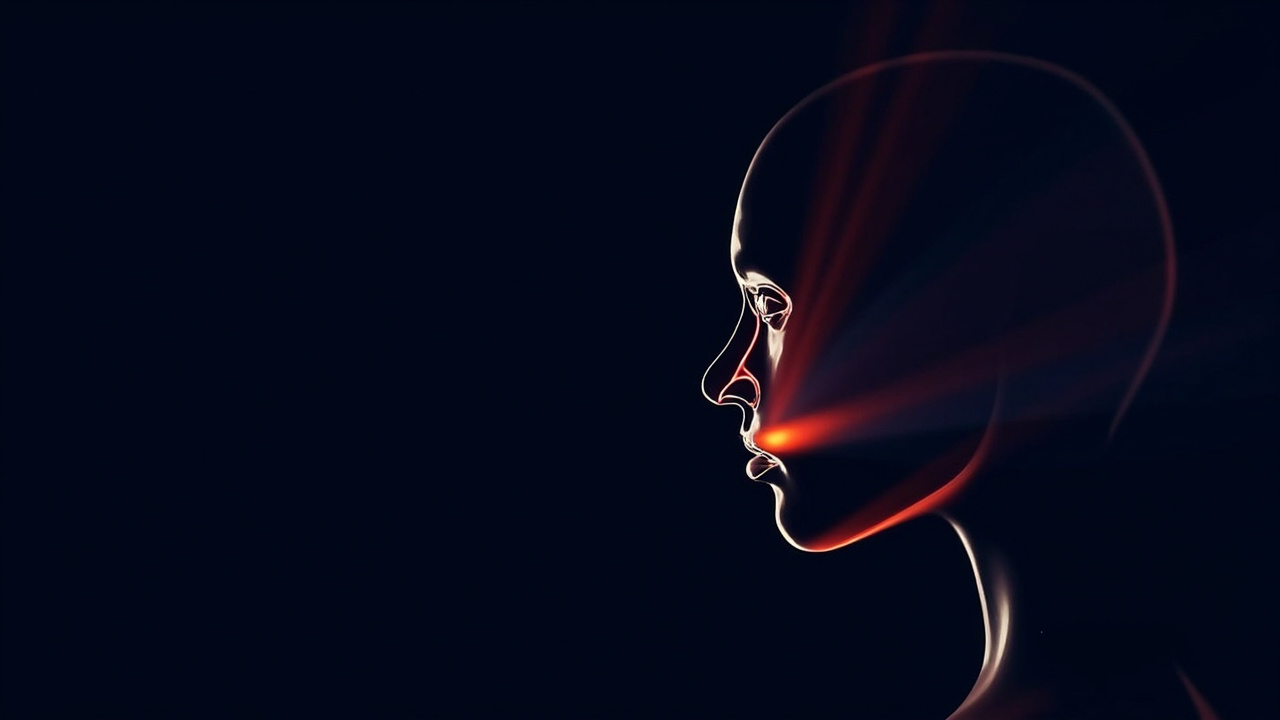
Scientists built an incredible AI that can see inside an entire mouse body at once, and it just revealed something shocking: obesity quietly damages the nerves in your face. Even weirder? The same damage shows up in human tissue too.

New research just revealed something wild about vitamin D supplements: taking the wrong type might actually backfire on you. Scientists discovered that one popular form of vitamin D could be quietly sabotaging the other, more effective form your body needs. Here's what you need to know before you pop your next supplement.

A surprising new study has raised some red flags about Wegovy, the wildly popular weight loss injection. Researchers found a potential link to a rare but serious eye condition that can cause sudden blindness—and the risk appears significantly higher with Wegovy than with similar drugs. Here's what we actually know (and don't know) about this concerning finding.
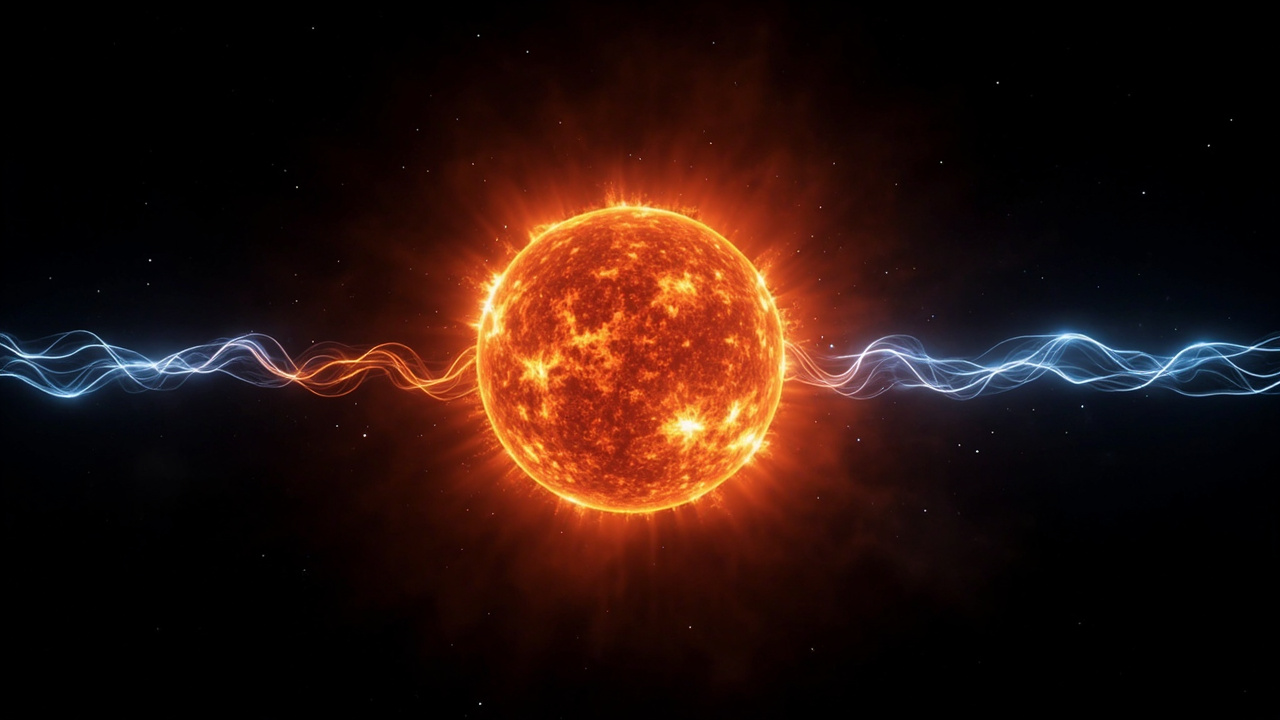
In August 2025, NASA detected something weird happening on the Sun: a radio signal that just wouldn't quit. While solar radio bursts normally fade in days, this one kept broadcasting for nearly three weeks straight, smashing the previous record and leaving researchers wondering what could possibly keep it going for so long.