

Dunyodagi eng yirik texnologiya kompaniyalari qarz mablag‘lari hisobiga infratuzilma qurishni boshlaganda, bunga e’tibor qaratish lozim. Mana, nima uchun ma’lumotlar markazlari sohasidagi keskin o‘sish texnologiya sohasining kelajagi haqidagi ba’zi noqulay haqiqatlarni yashirayotgan bo‘lishi mumkin.

Olimlar oddiy shirinlashtiruvchi modda haqida hayratlanarli bir narsani aniqladilar, bu esa “qand shakarsiz” mahsulotlarga bo‘lgan qarashimizni o‘zgartirishi mumkin. To‘g‘risini aytganda, bu xabar menga o‘zimning ba’zi gazak tanlovlarimni qayta ko‘rib chiqishga majbur qildi.
Tadqiqotchilar glioblastoma, ya’ni eng agressiv miya saratonlaridan biri uchun tananing qo‘riqchisi kabi harakat qiluvchi oqsilni aniqladilar. Ushbu oqsilga yo‘naltirilgan ta’sir orqali olimlar mavjud davolash usullarini samarali qilishlari mumkin. Bu dastlabki bosqichdagi tadqiqot bo‘lsa-da, uning ahamiyati haqiqatan ham hayajonli.
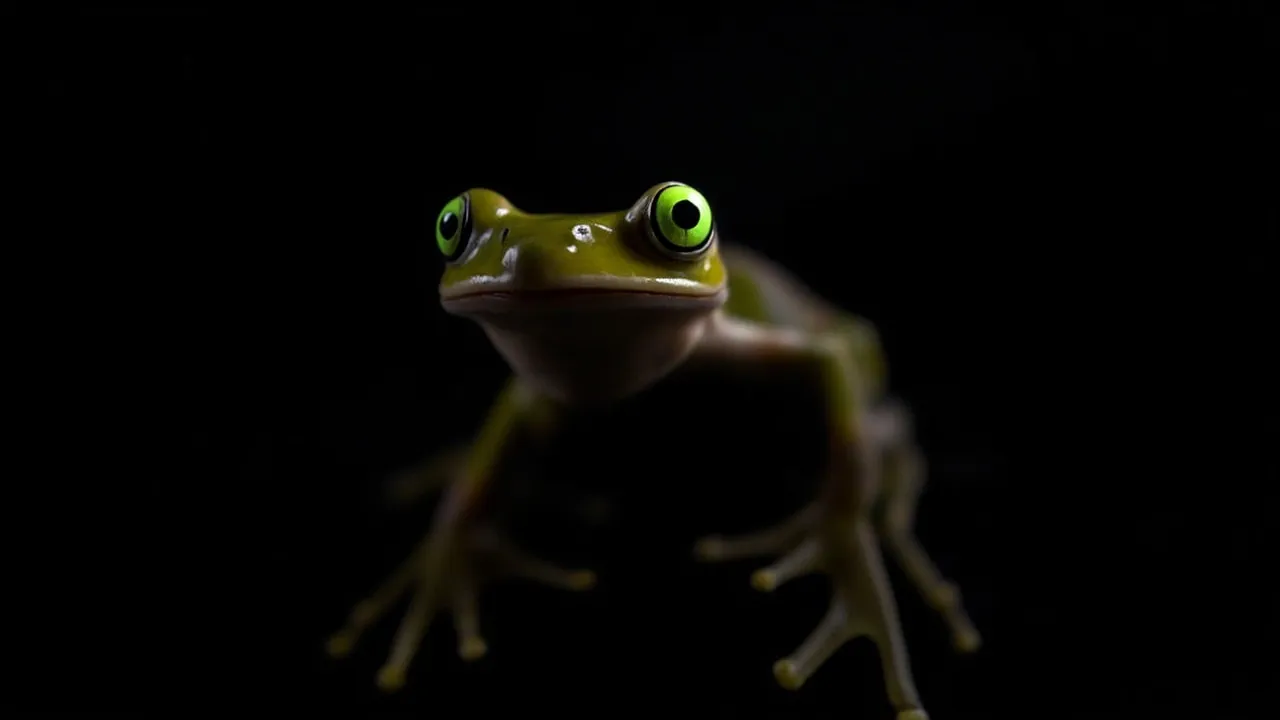
Ekvador va Kolumbiya o‘rmonlarida yashovchi, keng tarqalgan, baland ovozli va oddiy qurbaqa uzoq vaqt davomida olimlar tomonidan butunlay boshqa tur deb xato qabul qilingan holda, ko‘z oldida yashiringan edi. Eski muzey namunalariga va zamonaviy tadqiqotlarga tashakkurki, bu kichik “chirtillagan” qurbaqa nihoyat o‘z nomiga ega bo‘ldi.

Astronomlar o‘layotgan radio galaktikalar avval o‘ylaganimizdan ancha tezroq so‘nib borishini aniqladilar. Quvvatli radio teleskoplar yordamida ular hayratlanarli darajada yosh bo‘lgan, so‘nayotgan galaktik tuzilmalarning yashirin populyatsiyasini kashf etdilar — ularning tez yo‘qolishi bizning uzoq vaqt davomida ularning ko‘pchiligini nima uchun sezmay qolayotganimizni tushuntirishi mumkin.
What if the key to aging isn't hidden in our cells themselves, but in our immune system's ability to clean up the mess they leave behind? Researchers at Stanford Medicine have discovered that blocking a single receptor can slow aging throughout the body — in the brain, the heart, the liver, and beyond. This finding could fundamentally reshape how we think about growing old.

Garvard tadqiqotchilari oddiy to‘quvni, kundalik hayotingizda fitnes-trakeringizni quvvatlash, chiroq rangini o‘zgartirish yoki hatto harakatlaringizni kuzatish imkonini beradigan texnologiyaga aylantirish usulini aniqladilar — buning uchun faqat maxsus tanlangan ip va an’anaviy mashina to‘quvi kifoya.

Tasavvur qiling: jinoyatchilar ming yillar davomida saqlanib qolgan 3000 yillik oltinni o‘g‘irlash uchun atigi to‘rt daqiqa sarflagan, ammo ortida haqiqatan ham qaytarib bo‘lmaydigan narsani qoldirib ketishgan. Aynan shunday bo‘ldi, qachonki o‘g‘rilarning bir kunda turli mamlakatlardagi ikkita muzeyga hujum qilgani ma’lum bo‘ldi va voqealar keyinchalik yanada hayratlanarli tus oldi.

Tasavvur qiling: siz oddiy bir kunlik qadimiy buyumlar izlash uchun bog‘ga chiqdingiz, bir nechta tugma yoki asrlar oldingi musket o‘qini topishga umid qildingiz, ammo o‘rniga 240 yildan ortiq vaqt oldin halok bo‘lgan askarlarning unutilgan qoldiqlariga duch keldingiz. Aynan shu hodisa Nyu-Jersi shtatidagi Red Bank jangi bog‘ida sodir bo‘ldi va bu suyaklar hikoyasi mutlaqo hayratlanarli.
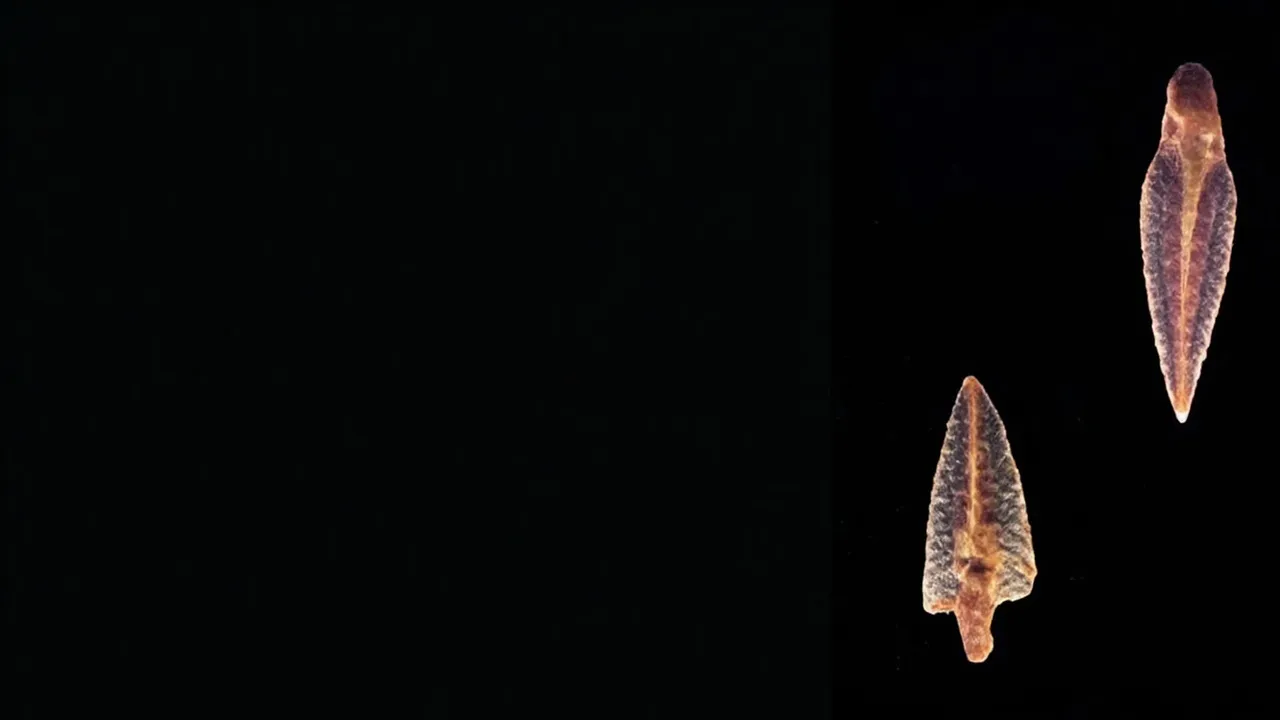
O‘zbekistonda topilgan mayda o‘q uchlar olimlarni Homo sapiens ajdodlarimiz dunyo bo‘ylab qachon va qanday tarqalganini qayta ko‘rib chiqishga majbur qilmoqda. 80 000 yillik bo‘lgan bu artefaktlar kamon va o‘q texnologiyasining eng qadimgi bevosita dalili hisoblanadi va ular bizning turimiz Markaziy Osiyoga tarix kitoblarida aytilganidan ancha oldin kirib borganini ko‘rsatadi.

Ko‘pchilik o‘rmon yong‘inini tasavvur qilganda, daraxtlarni bir necha soat ichida yutib yuborayotgan ulkan alangalarni ko‘z oldimizga keltiramiz. Biroq Indoneziyada eng xavfli yong‘inlar umuman ko‘rinmaydi — ular yer ostida dimlab yonadi va bir necha oy davomida o‘chmasligi mumkin. Olimlarning fikricha, 2026-yil juda og‘ir yil bo‘lishi kutilmoqda va buning bizning barchamiz uchun nima sababdan tashvishli ekanligi quyida keltirilgan.

Scientists have found that the stem cells responsible for building our brains actually base their decisions on two unexpected things: how they process nutrients and physical signals coming from deep within the developing brain. This discovery helps explain what makes the human brain so remarkably complex.

So I came across what looked like this really cool Science Daily article, right? Got all excited, clicked the link... and boom — nothing. Just a 404 error staring me right back. We've all been there, haven't we?
Olimlar fusion reaktorlaridagi o'ta qizigan plazmani boshqarish uchun sun'iy intellekt tizimi — PACMANni yaratdilar. Bu tizim insonlar mutlaqo ulgurmaydigan tezlikda qaror qabul qiladi. Bu kashfiyot toza va cheksiz fusion energiyasini ro'yobga chiqarishi mumkin.

Tadqiqotchilar jamoasi Yer o'zining magnit maydonidan qorong'i materiyni qidirishda foydalanish usulini ishlab chiqdi. Buning natijasida ularni hayratga solgan qiziq signalar paydo bo'ldi. Bu signallar ortida nimadir katta yotishi mumkin.
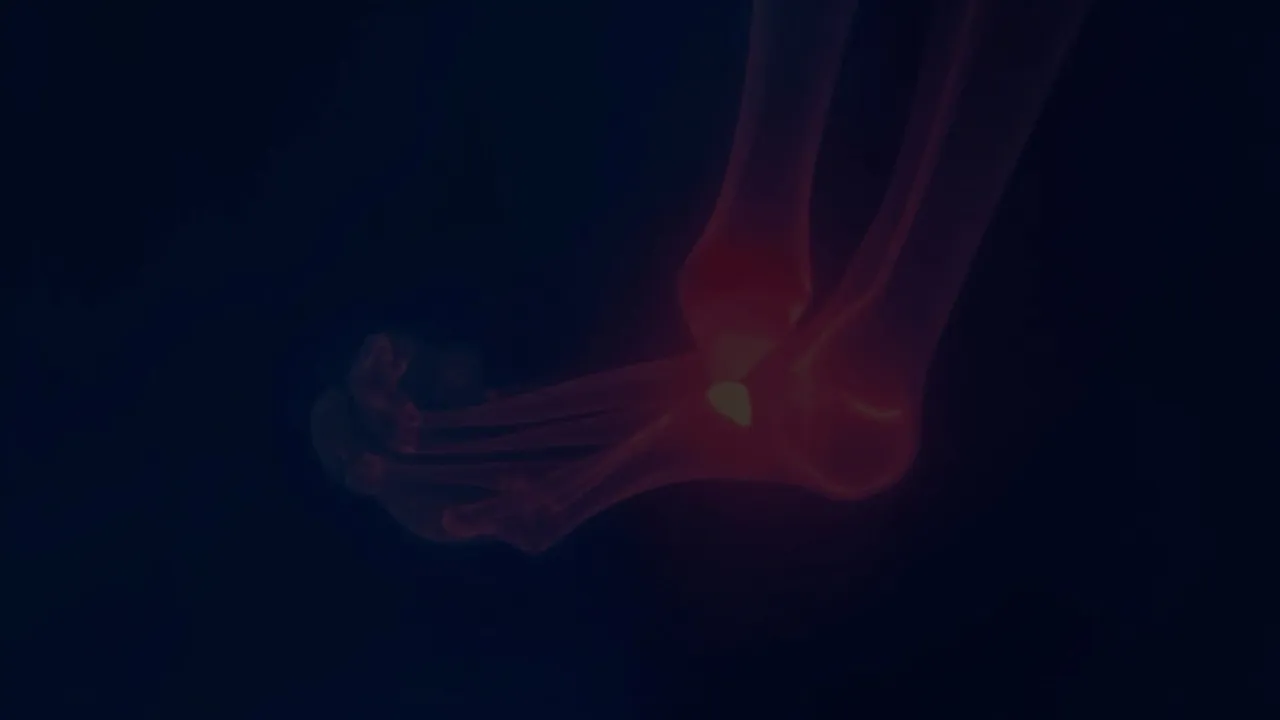
Some researchers have found evidence that certain joints might be "pre-programmed" for arthritis even before we're born. This finding completely changes what we thought we knew about rheumatoid arthritis, and honestly, it's making me rethink how this tricky disease operates.

Scientists say that in about 200 million years, all of Earth's continents will come together to form a new supercontinent. But here's the really interesting part—we're already seeing the very first signs of this happening. And I think this distant future is way more fascinating than you might expect.
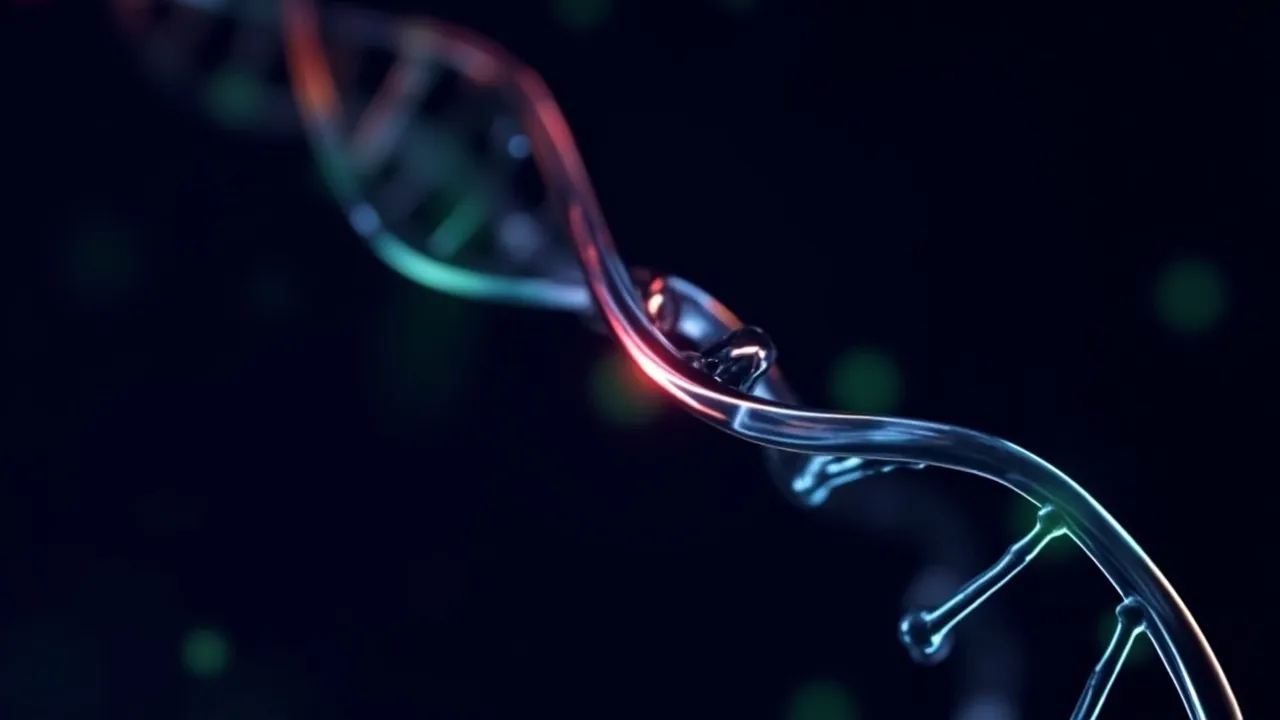
Olimlar juda qiziq narsa topishdi: hayotning ichidagi molekulyar mexanizm tabiiy genetik alifbodan ikki marta katta alifboni boshqara olarmish. Bu faqat ajoyib ilmiy kashfiyot emas — bu texnologiya saraton davolashdan tortib kelajak dorilarigacha hamma narsani tubdan o'zgartirishi mumkin.
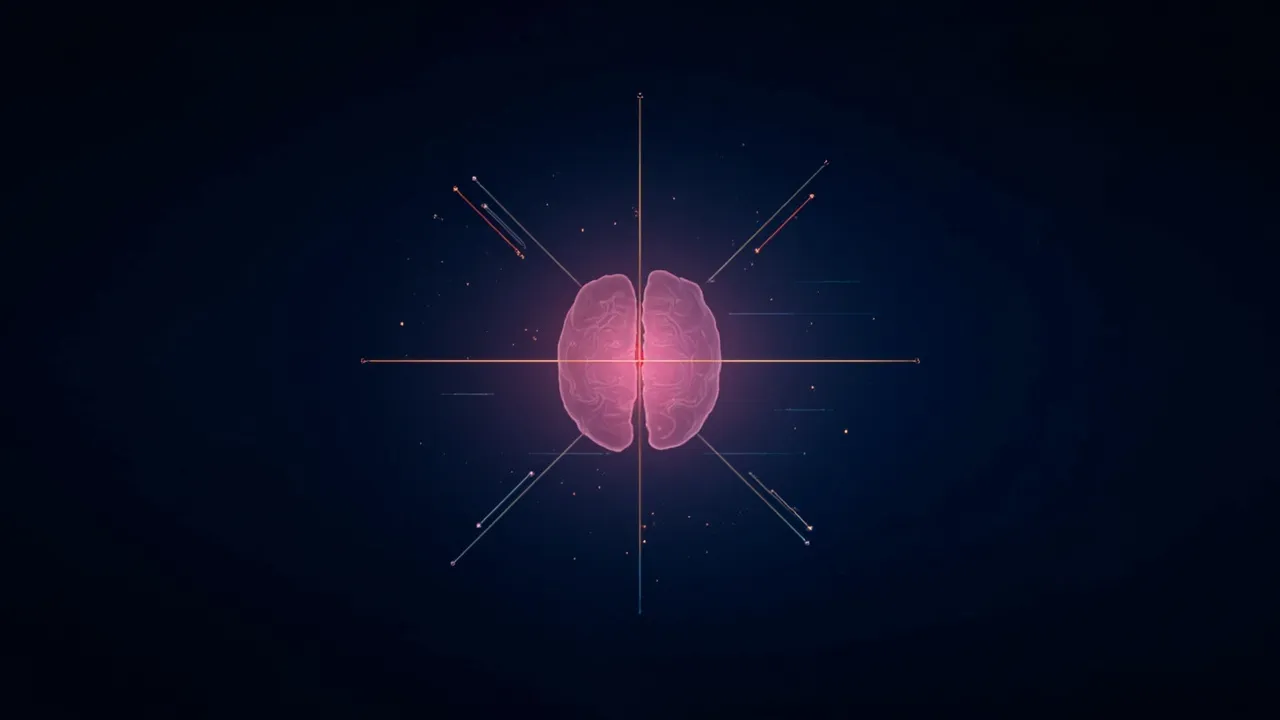
Scientists at Duke University have come up with a new injectable treatment that could help the brain heal itself after a stroke. The trick? They create a tiny scaffold right in the damaged area, giving the brain's own repair systems something to work with. In mice, the results have been impressive.

Bonnetate to'lqinlari haqida yangi tadqiqotlar shuni ko'rsatadiki, kattalardagi yoqimtoy boltali boshlar aslida ularning hayotdagi boshlanganiday emas ekan. Erkaklar va urg'ochilarning bosh shakllari turlicha bo'lishining sababi esa sizni hayratda qoldirishi mumkin.