
NASA just tested something pretty cool. They've developed a system called FALCON that lets satellites navigate through space by spotting objects around them — GPS not needed. This technology could completely transform how we manage spacecraft in deep space and around the Moon.
Researchers have developed a nanoparticle system that tackles brain tumors in two ways. During surgery, it makes tumors much easier for surgeons to see. Once the procedure is done, it goes after any cancer cells left behind. Think of it as a two-in-one weapon against glioblastoma—the most aggressive form of brain cancer.
Tasavvur qiling: yer bag'riga 10 ming fut chuqurlikda qaziladi va shunday boylikka duch keladi-kimki, podshohlar ham baxtiga yetar. Aynan shunday holat Xitoyda ro'y berdi. Geologlar yer ostidan dunyodagi eng katta oltin konini topib olishdi. Bu topilma shunday katta-ki, barcha konchilar hayratdan yoza qoldi. Hali hech kim bunday ulkan oltin zaxirasini kutmas edi.

During World War II, British engineers actually attempted to build the world's biggest aircraft carrier—using nothing more than ice and sawdust. It sounds completely ridiculous, like something you'd hear in a fever dream, but Project Habakkuk was real. This wildly ambitious wartime idea actually came close to becoming a reality.
Here's something that might make you think twice about giving toddlers sweets: research shows that sugar consumption before age two can affect health well into a person's 70s. This isn't just about baby teeth or passing sugar cravings—it's about cellular aging and cancer risk decades later.
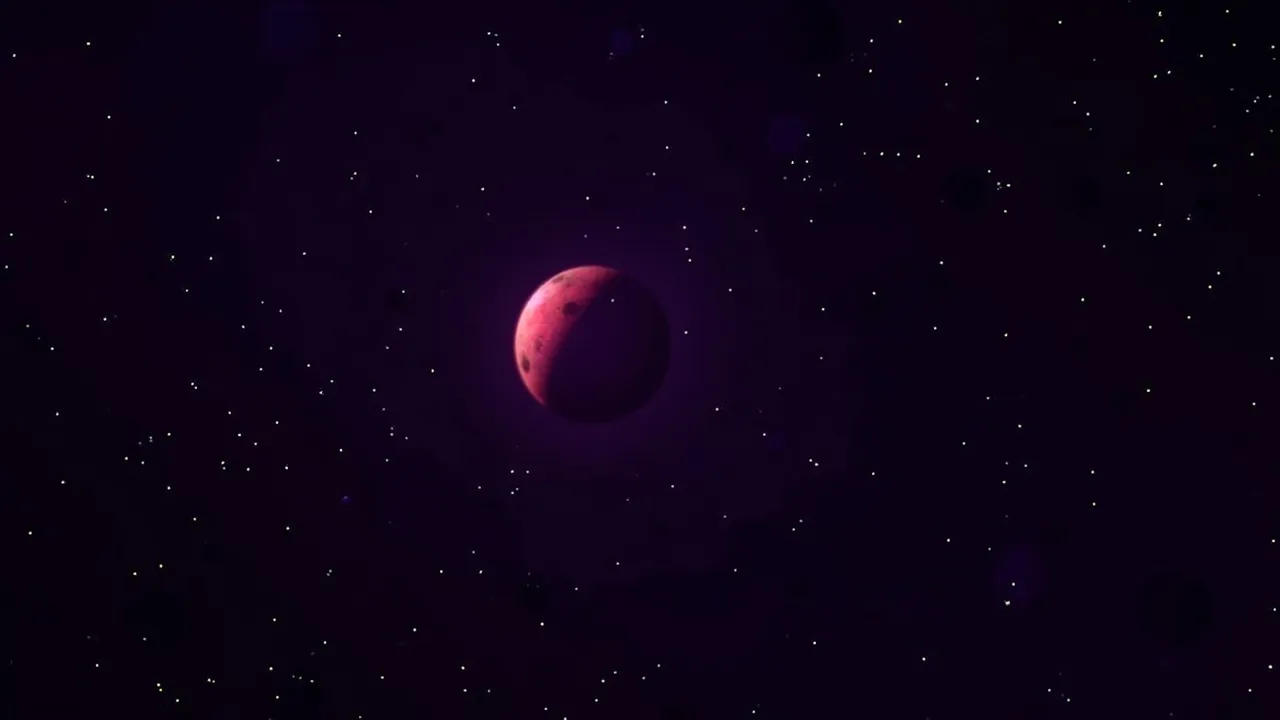
Scientists have uncovered what might be a two-for-one cosmic mystery: one massive asteroid impact could explain both of Deimos' biggest enigmas. Mars' smaller moon has long puzzled researchers with its enormous southern crater and its surprisingly smooth, dusty surface. Now, using advanced computer simulations alongside fresh data from Europe's Hera spacecraft, scientists believe a single space rock roughly 320 meters wide could have shaped both features without tearing the tiny moon to pieces.
Here's a rewritten version:
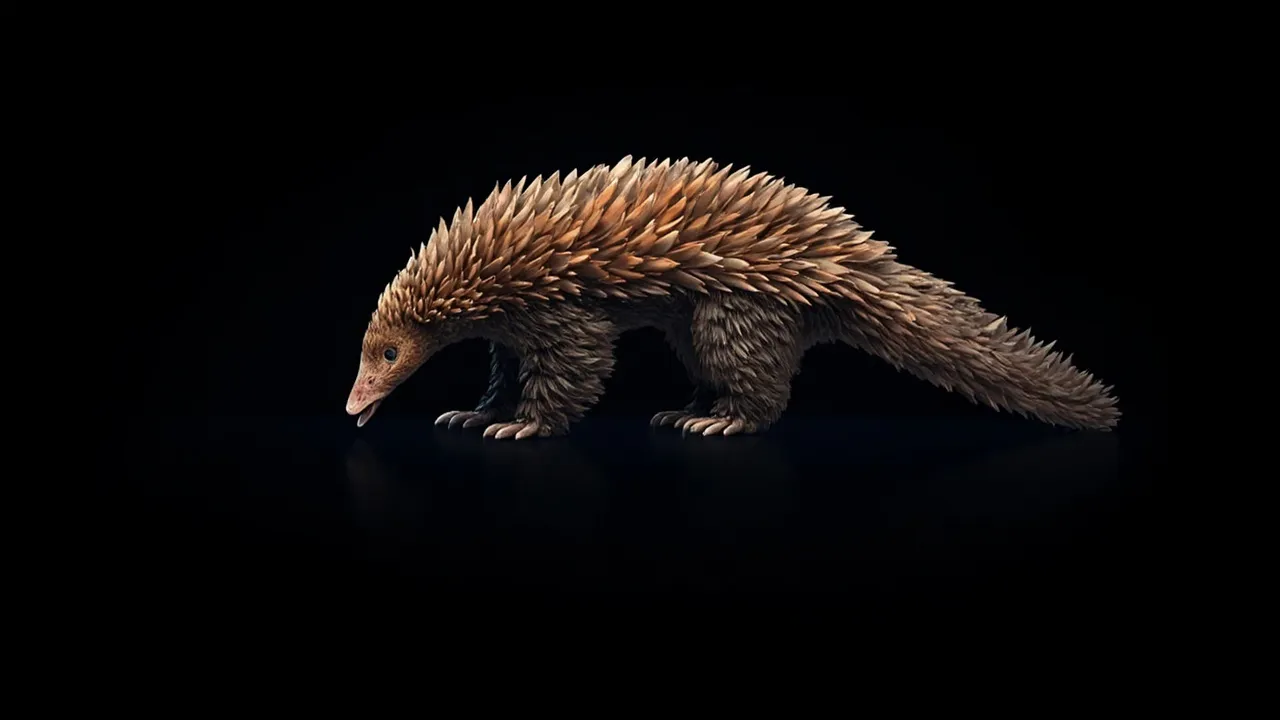
Scientists have just confirmed something incredible — a pangolin species hiding in the Himalayan foothills has been officially "rediscovered," and the wildest part? They did it using DNA from a museum specimen collected way back in 1836. This discovery is completely changing how we understand these mysterious, scale-covered mammals — and it could be a game-changer in the fight against poachers.
Think about it — did you really "choose" to read this article, or did it just feel that way? A neuroscientist is turning everything we thought we knew about free will upside down, and honestly, his argument is pretty hard to ignore.
For years, scientists have argued about whether imaginary numbers are truly fundamental to our understanding of reality—or just a convenient mathematical trick. Now, a team of German physicists may have finally put that debate to rest, and their conclusion could transform the way you see mathematics.

Scientists have found that the white LED lights we use in our homes and classrooms might be missing something important. That missing piece appears to be a specific wavelength of indigo light that helps protect young, developing eyes from becoming nearsighted. This discovery could help explain why myopia rates are climbing so rapidly around the world—and it points to a surprisingly straightforward fix.
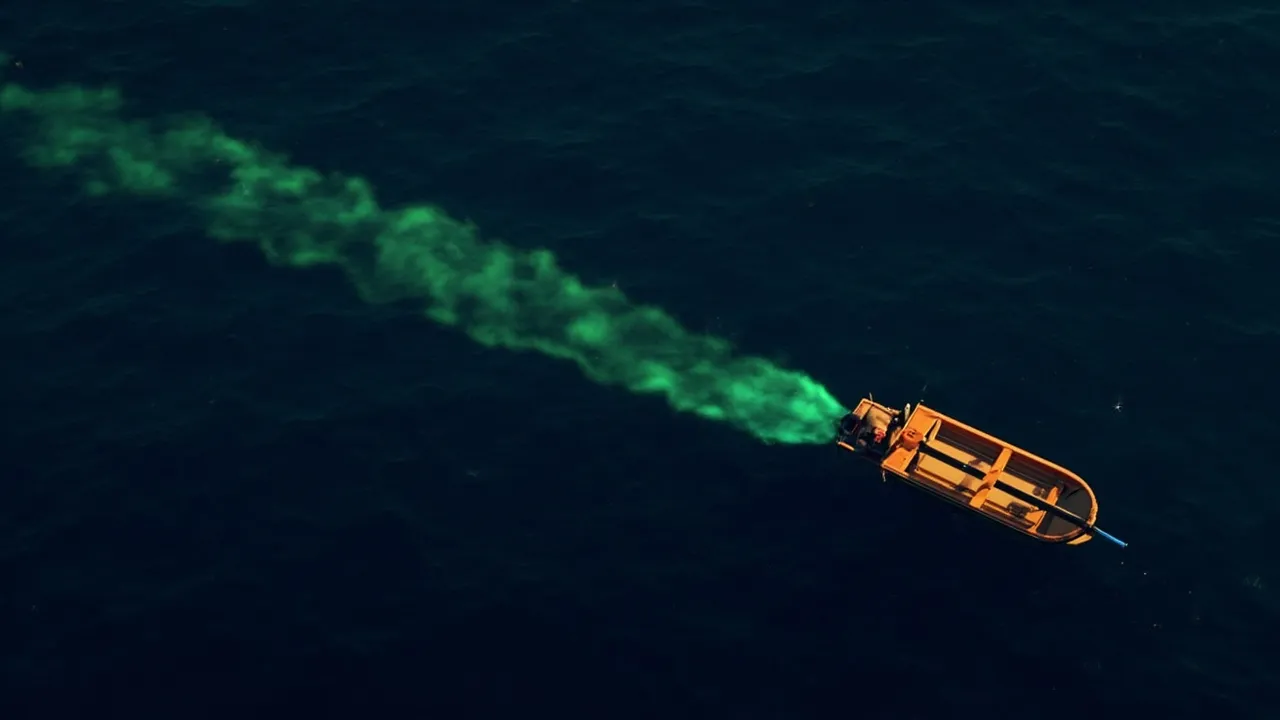
Beneath the waves of the Ionian Sea, where history often rests undisturbed, explorers have stumbled upon something remarkable. They discovered a German WWII speedboat that everyone believed was gone for good — and what's down there tells quite the tale of innovation, conflict, and one seriously unlucky vessel.
A chunk of ice roughly the size of Manhattan broke away from Greenland's Petermann Glacier on August 4th, 2026, catching scientists off guard. The calving — the largest in the Arctic since 2020 — serves as a stark reminder of how quickly our planet's frozen landscapes can change. Researchers around the world are now watching closely to see what happens next.
NASA scientists have discovered something surprising: some of the microscopic creatures we accidentally carry to the Moon might actually be able to survive there. This raises both concerns and exciting possibilities for science. Before humanity commits to a more permanent presence on the Moon, researchers are racing to understand which tiny hitchhikers could make the journey and what might happen to them once they arrive.
Researchers have found a clever new way to control water droplets — one that could change everything about how we cool things, from power plants to smartphones. The cool part? They did it by embracing imperfections everyone else was trying to fix.

Scientists have discovered a method to改造 ordinary immune cells into powerful cancer fighters that can actually penetrate solid tumors—something that has always been incredibly challenging. The secret lies in a carefully crafted recipe using a signaling protein that essentially acts as a training program for natural killer cells, turning them into specialized tumor-hunting machines that could one day be manufactured as ready-to-use treatments.
You're flipping through what you thought was the complete list of rulers from one of history's greatest empires—only to find out someone deliberately erased three of them. That's exactly what two researchers just discovered, and the reason why might surprise you.
Vena universiteti olimlari hayvonlar evolyutsiyasi biz o'ylagandek tasodifiy emasligini aniqlashdi. Ma'lum bo'lishicha, genomlar maxsus "evolyutsion yo'llar" bo'ylab harakatlanadi va shu yo'llar barcha tirik mavjudotlarning — insondan sakkizoyoqqacha, hatto korallgacha — shakllanishini belgilaydi. Bu kashfiyot Yer yuzidagi hayot qanday turli-tuman bo'lganligi haqida qiziqarli qonuniyatlarni ochib berdi.
Here's something that'll blow your mind. Tucked away in a Louisiana swamp are eleven massive earthen mounds, arranged in a perfect circle—and they're a staggering 5,400 years old. The thing is, these structures were built by nomadic hunter-gatherers who hadn't even developed agriculture yet. For a long time, historians assumed people at that stage of development were too "primitive" to pull off something this ambitious. Turns out, they couldn't have been more wrong.
Fifty years of searching, and physicists might finally be close to confirming one of quantum physics' most bizarre predictions: a particle made almost entirely of pure glue. Seriously. These particles, called glueballs, might just be hiding in data from a collider in Beijing.
A huge new study involving almost half a million people shows that sleeping too little—or even too much—might actually be speeding up aging in your brain, heart, immune system, and other parts of your body. Turns out, there's an ideal amount of sleep, and most of us are likely falling short of it.