
If you've been putting off upgrading your TV, Prime Day just handed you the perfect excuse. A killer 65-inch gaming TV that usually costs over a thousand dollars is now under $750 — and honestly, this might be the deal I've been waiting for.

If you've been hunting for decent knife deals this Prime Day and feeling underwhelmed, you're not alone. But here's a brand you might not have considered—Cold Steel is slashing prices up to 51% off, and these aren't your average pocket knives. Let me tell you why this matters.
Amazon Prime Day is here, and if you've ever found yourself fumbling in the dark with a weak, dying flashlight, this is your sign to upgrade. I've been testing flashlights for years, and Olight's lineup just went on sale with some seriously impressive discounts.
A philosopher and researcher are arguing that consciousness might exist in forms we can't even recognize — built from completely different materials than anything on Earth. And honestly, their reasoning is pretty hard to argue with.
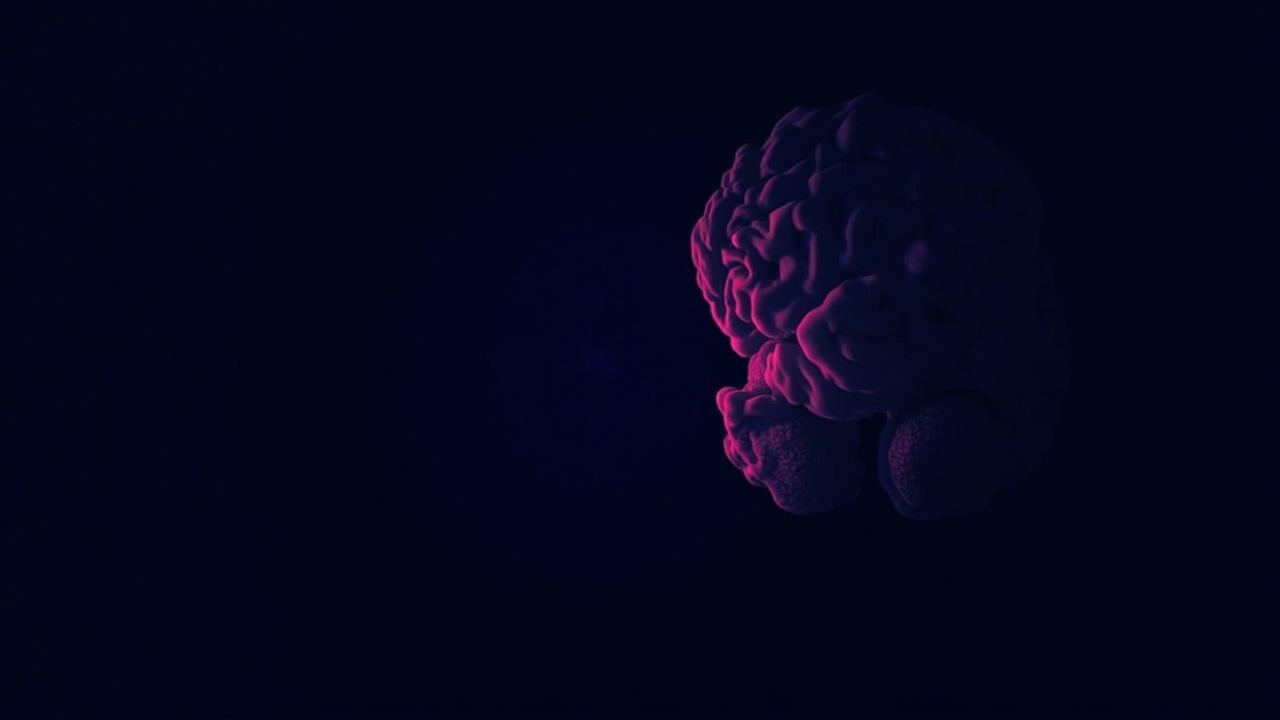
Ever wonder how some people seem to effortlessly ignore distractions while others (myself included) get sidetracked by a notification across the room? Researchers at Johns Hopkins have discovered a tiny cluster of neurons in an ancient part of the brain that acts like a focus filter, helping us zero in on what matters. The best part? This same system exists in everything from mice to fish, which means it might hold the key to understanding ADHD and other attention struggles.
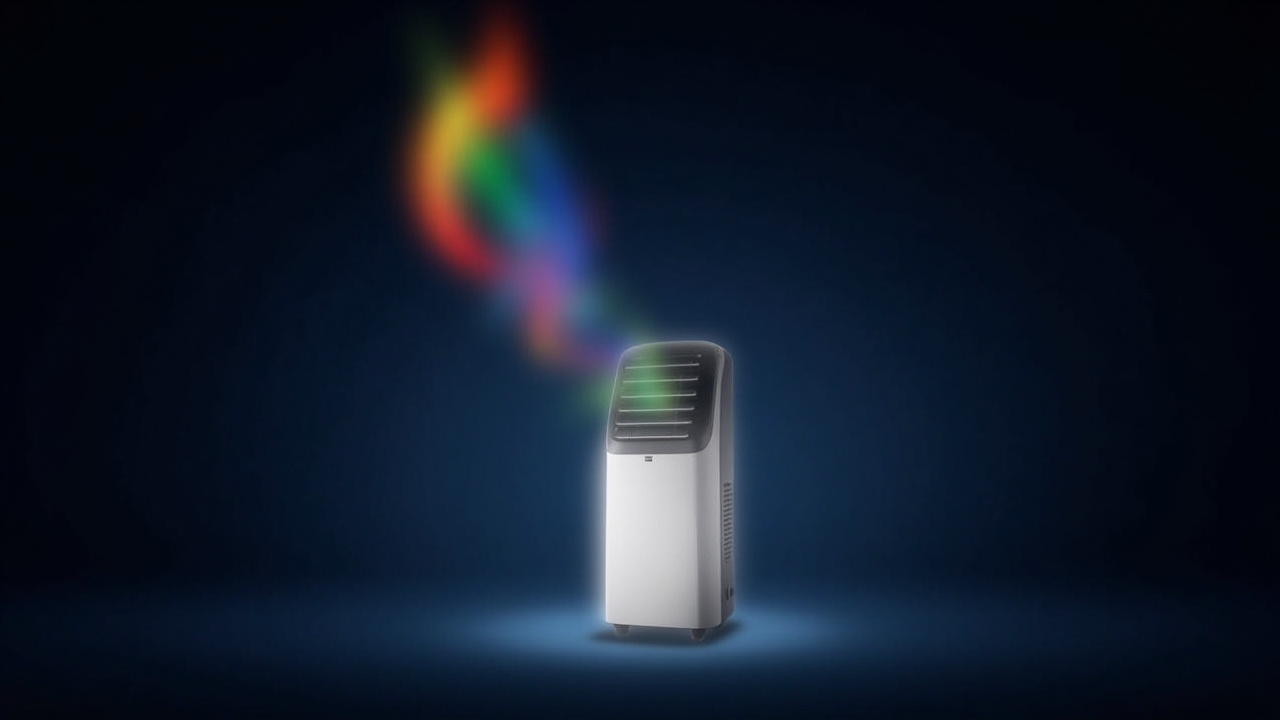
After years of wrestling with bulky, loud, and frustrating portable air conditioners, I tried the Dreo AC515S and found something refreshingly different. It's compact, surprisingly quiet, and actually delivers on its smart features—plus it has a remote holder that made me wonder why no one thought of this sooner.
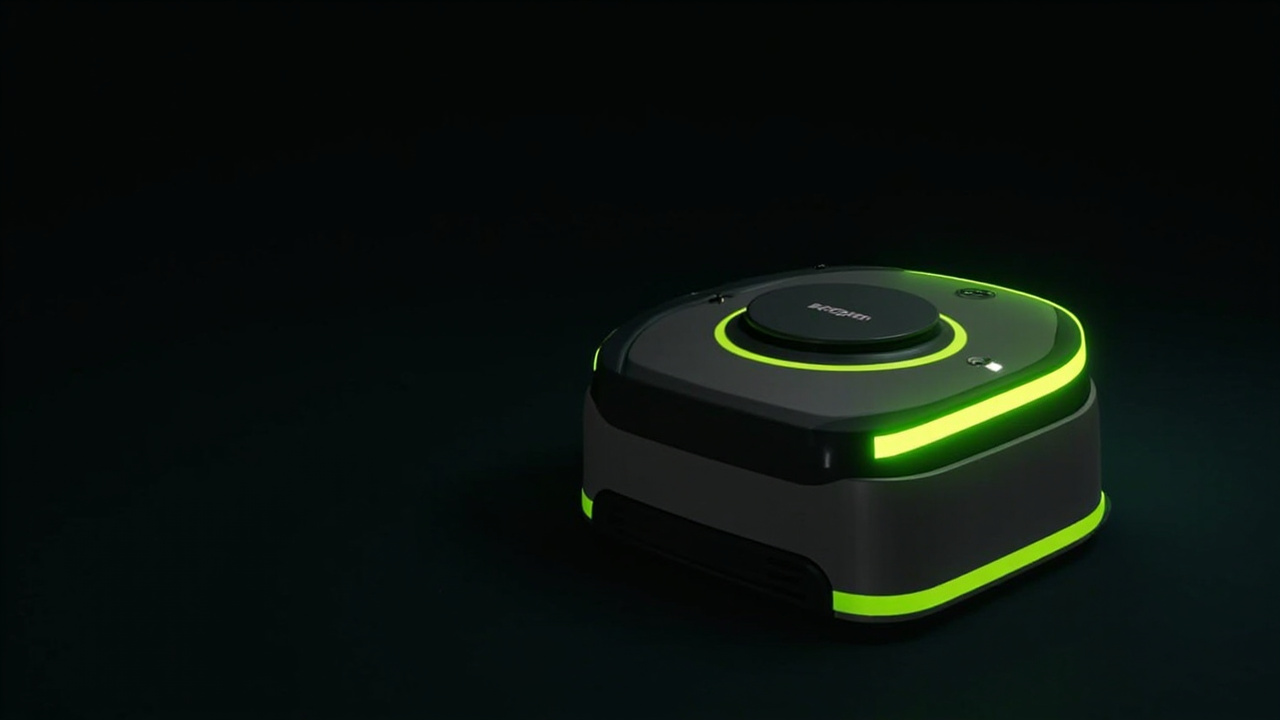
Prime Day just dropped one of the most ridiculous deals on a robot lawn mower I've seen in a while, and if you've ever stood in your yard dreading another Saturday spent pushing a loud gas mower around, this might be your sign to finally let a robot take over.
New research from Newcastle University suggests that many people in northern Britain can't rely on summer sunshine alone to maintain healthy vitamin D levels—and certain groups are at higher risk than others.
In 1857, James Buchanan arrived in Washington for his inauguration feeling like absolute garbage—and it turned out the fancy hotel where he was staying was basically a death trap. Dozens of people got mysteriously sick, some died, and nobody could figure out why. The answer? A horrifying buildup of human waste and dead rats under the building. Yes, really.

Scientists just installed an incredibly sensitive X-ray detector at a German research facility, and it's so powerful it can analyze materials that were previously too faint to study. The technology uses 248 superconducting sensors kept at temperatures colder than outer space, and it's opening doors to research that simply wasn't possible before.
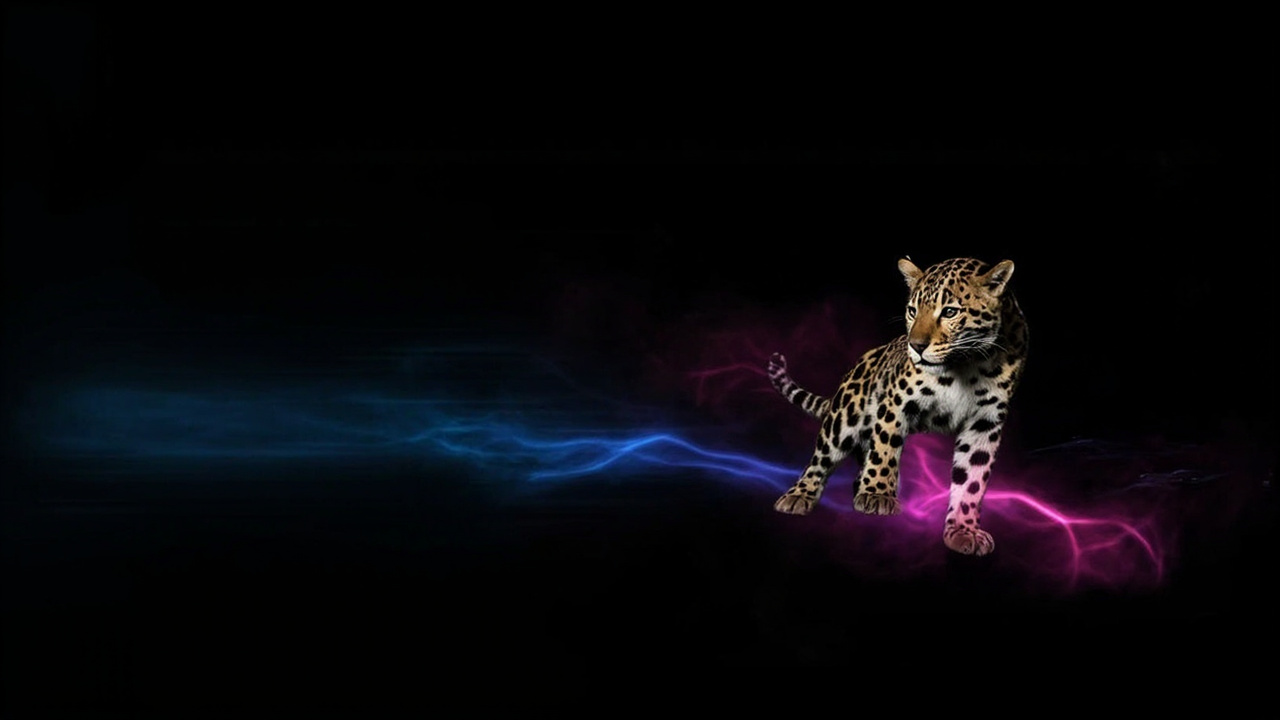
Deep in South Africa's unique Cape region, something strange is happening to leopards. They're coming out half their normal size. Scientists just figured out why — and the answer takes us back 20,000 years to an ice age that changed everything.
Scientists have discovered a hidden mechanism your body uses to clean up dead cells, but here's the plot twist: viruses might be hijacking this system to spread infections while staying invisible to your immune system. It's like discovering a backdoor to your body's defense system that was hiding in plain sight.

Scientists have uncovered something fascinating about how honeybee colonies actually create their queens, and it turns out we've been oversimplifying this process for far too long. Spoiler: it's not just about royal jelly.

Scientists have found evidence that our ancient ancestors were deliberately bringing fire into caves in South Africa nearly two million years ago—pushing back our understanding of human fire mastery by hundreds of thousands of years. And honestly? The way they figured this out is almost as cool as the discovery itself.
Two philosophers have made a bold argument that consciousness might not need a brain like ours at all—and if they're right, the universe could be teeming with minds we wouldn't even recognize. Let me explain why this idea both excites me and keeps me up at night.

In 1983, one of the world's most respected magazines paid nearly $4 million for what they believed were Hitler's personal diaries. There was just one tiny problem—they were completely fake. The whole thing reads like a comedy of errors, except people went to jail and careers were destroyed.
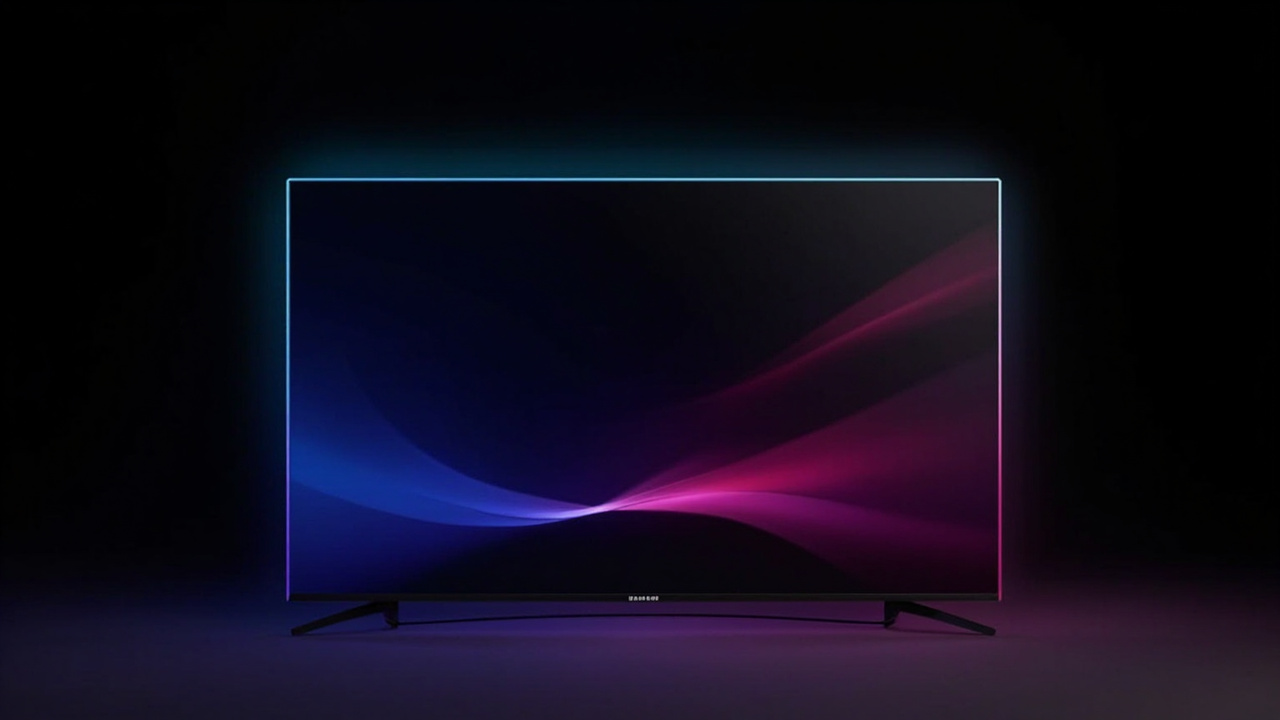
Prime Day deals can be hit or miss, but this Samsung OLED TV deal actually caught my attention. If you've been waiting for the right moment to upgrade your living room setup, you might want to keep reading.

Imagine flying through thick fog over Manhattan, disoriented and low on fuel, when suddenly you realize you're about to slam into one of the most famous buildings in the world. That's exactly what happened to a young Army pilot on a summer morning in 1945. The incredible story of survival, luck, and structural engineering that's been hiding in plain sight for nearly 80 years.
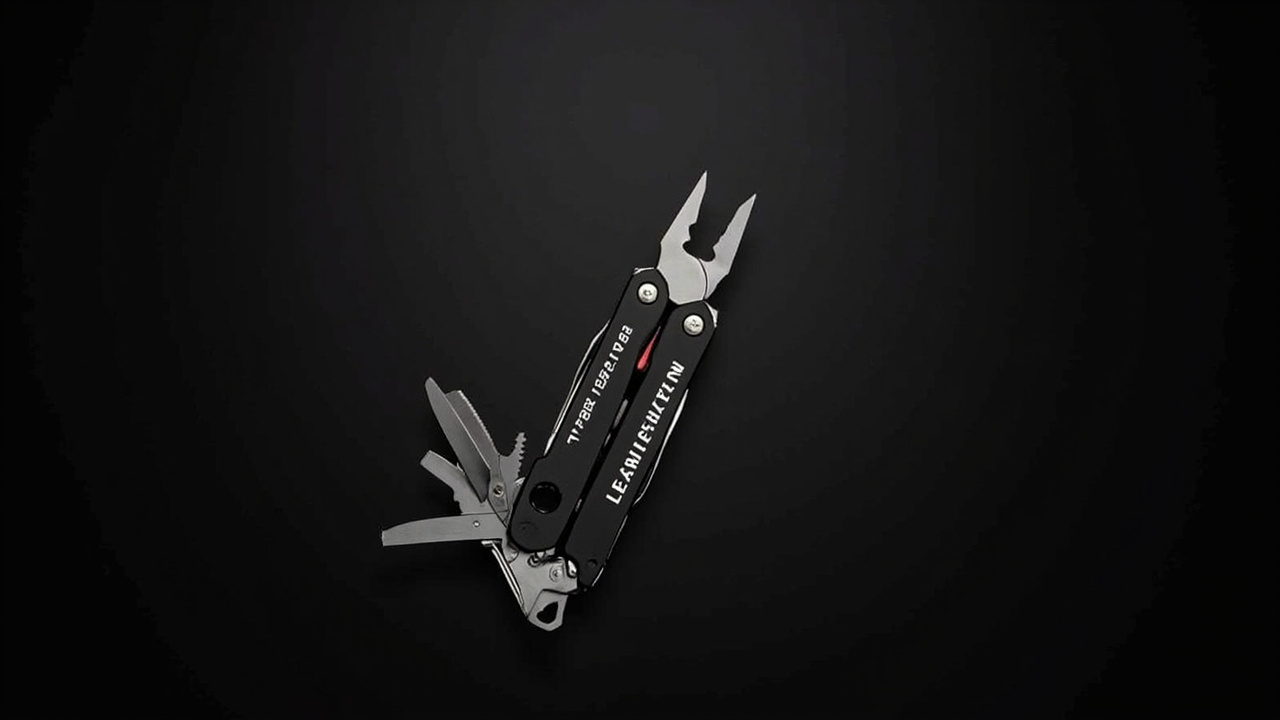
Prime Day is here, and if you've been eyeing a quality multitool but haven't wanted to spend the full price, today might be your lucky day. Leatherman—the brand that basically invented the modern pocket tool—has some serious discounts happening, and I've got thoughts on which ones are worth your attention.

Prime Day just made your dream of having restaurant-quality nugget ice at home way more affordable. I don't know about you, but I've been mildly obsessed with that soft, chewable ice from places like Sonic and Chick-fil-A for years, and now you can get seriously good countertop nugget ice makers for up to 37% off. Let me tell you why this might be the best deal you'll see all summer.