
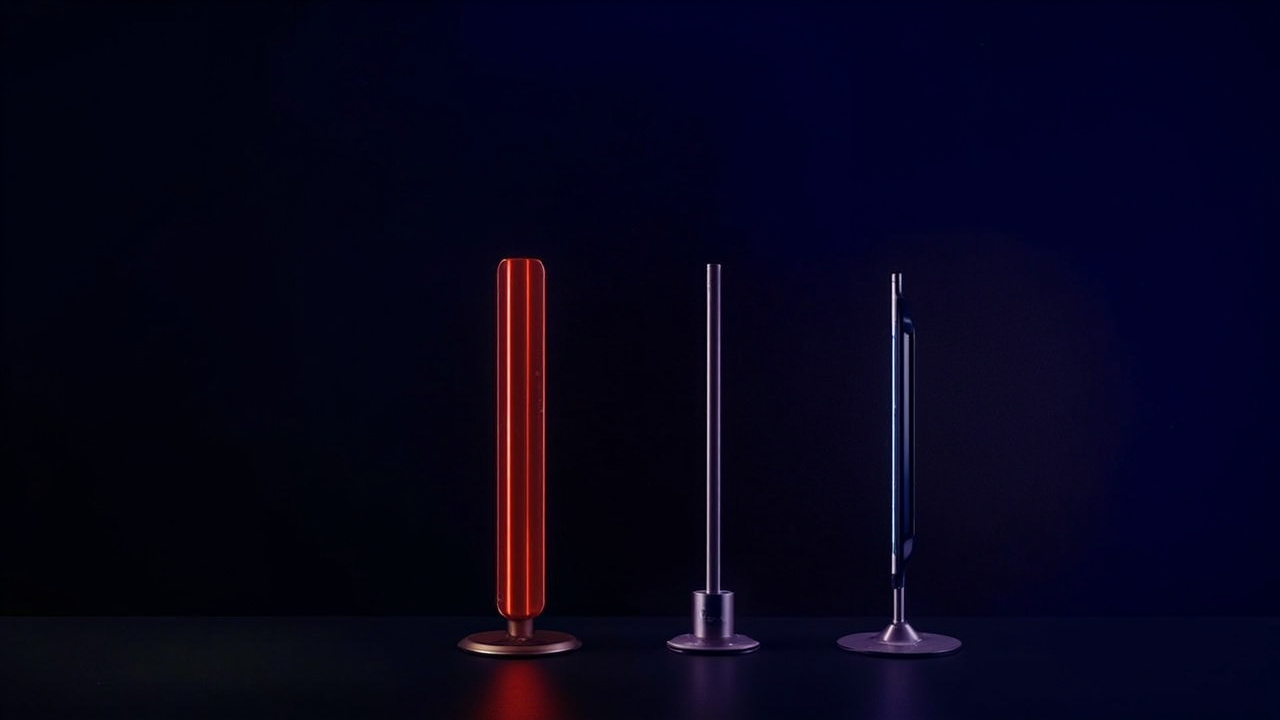
Prime Day is here, and I've got my eye on some seriously cool (pun intended) bladeless and tower fans that promise to keep you chill without the noise, dust-blast, and general ugliness of traditional fans.
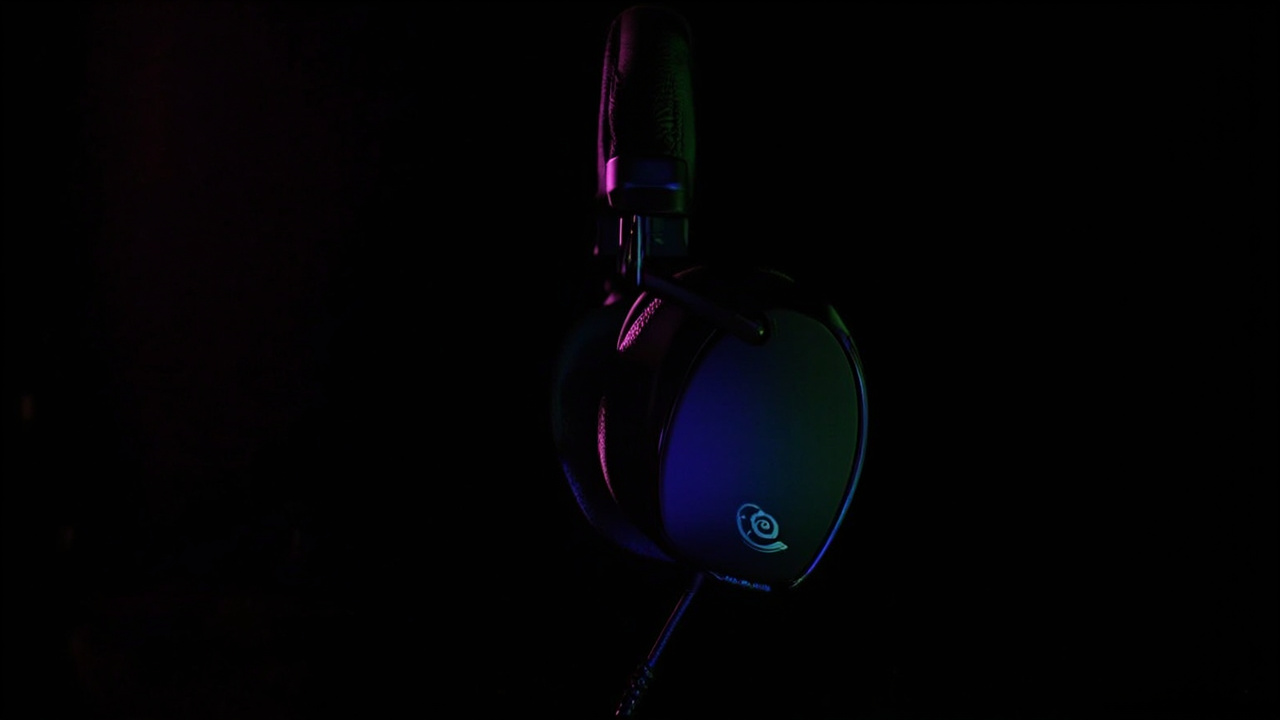
If you've been holding off on upgrading your gaming audio, now's the moment. The SteelSeries Arctis Nova Pro—a headset our team has genuinely loved for years—just dropped to its lowest price ever, and honestly, it might not drop this low again for a while.
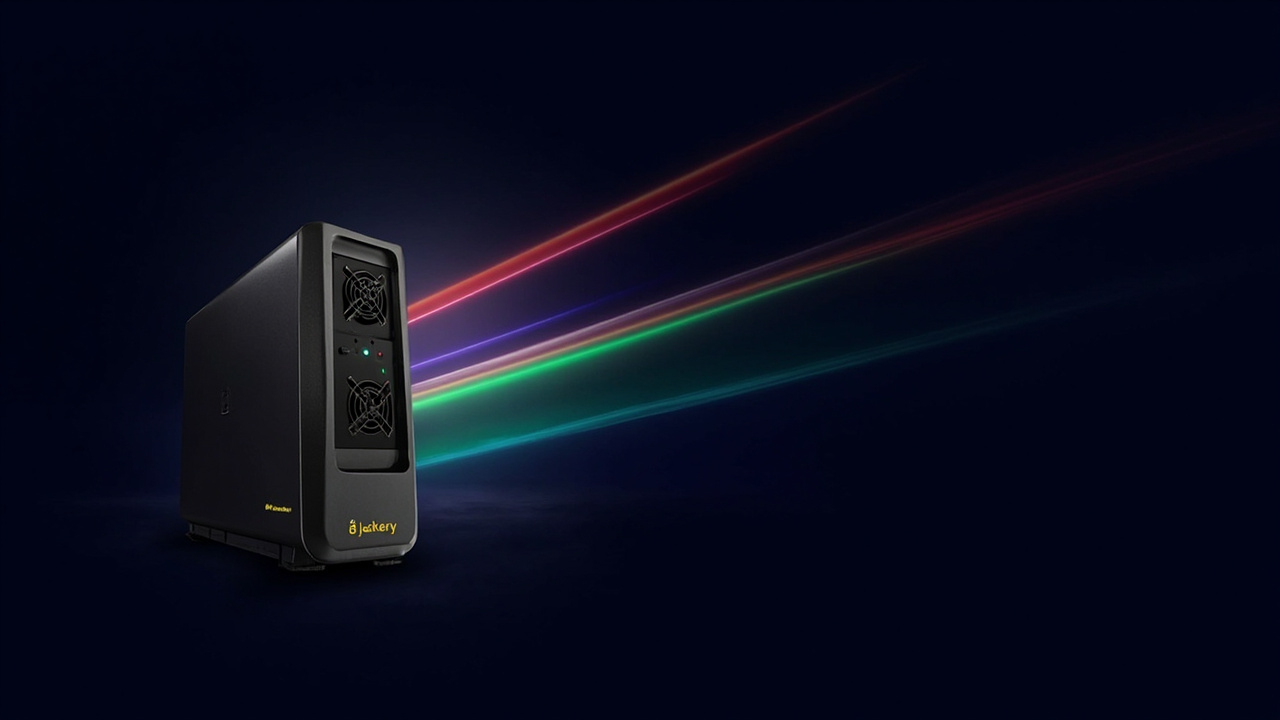
Jackery's home backup power station just hit its lowest price ever, dropping nearly 50% during Prime Day. If you've ever been left in the dark during a storm or blackout, this might be the investment that changes everything for your household.

Prime Day just dropped an incredible deal on portable power stations, and if you've ever wished you could take electricity anywhere, this might be the perfect time to finally get one. The Jackery Explorer 1000 v2 is currently half off, and as someone who's been watching these prices for years, I can tell you this is genuinely worth paying attention to.

Prime Day just dropped and honestly? This Shark vacuum deal might be the most satisfying purchase you'll make all year. With nearly 50% off, it's time to finally give your dusty corners the attention they deserve.

Remember that gorgeous TCL TV that kept showing up in all our "best of" discussions but was just too pricey? Well, Prime Day just dropped a nuclear deal on it, and I genuinely think this might be the moment to upgrade your living room setup.
Prime Day just got a whole lot more dangerous for our wallets. Yeti, that brand we all secretly (or not so secretly) covet when it comes to keeping our drinks cold and our food fresh on adventures, is offering discounts up to 30% off. If you've been eyeing that premium cooler, today might be your day.
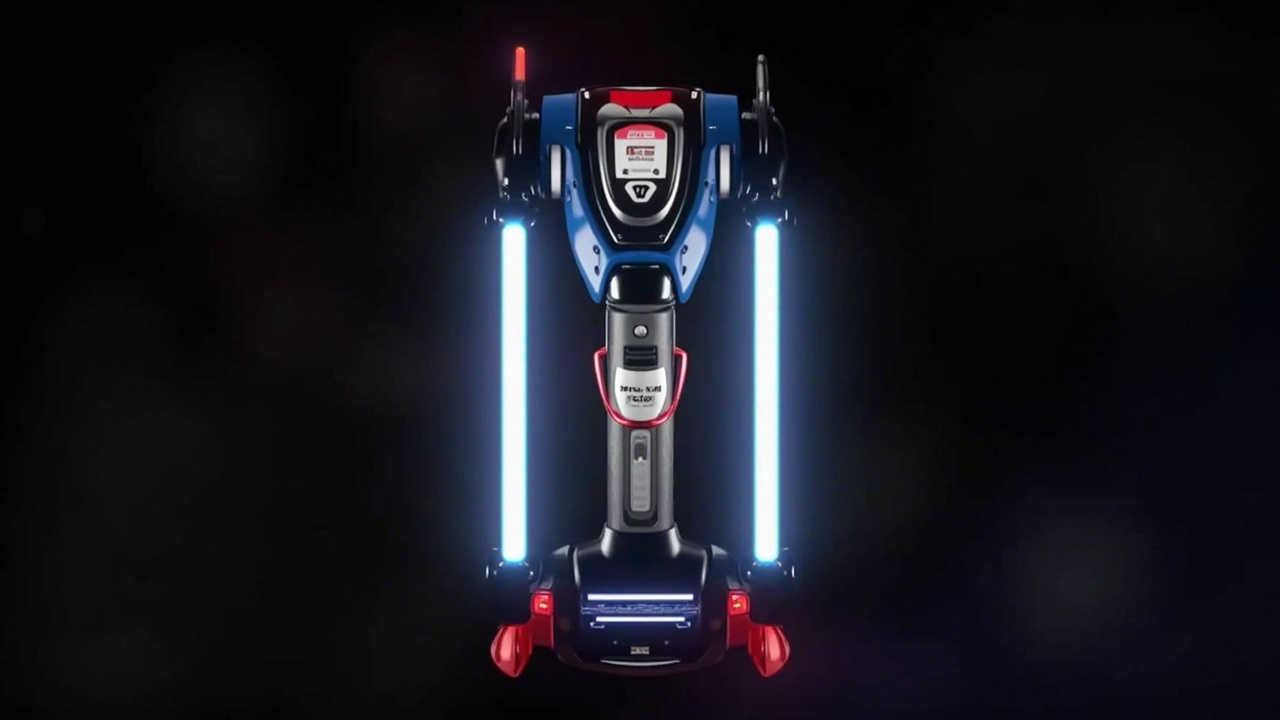
If your garage looks like a tornado hit a hardware store, you're not alone. But here's the thing: most of us don't have a storage problem, we have a "how we store" problem. And this Prime Day deal on the Gladiator GearTrack Wall System might be the nudge you need to finally fix it.
Samsung's The Frame TV has been one of those products that makes you say "wait, that's a TV?" And right now during Prime Day, it's getting one of its biggest discounts yet. If you've ever dreamed of having museum-worthy art on your wall without the museum part, this might be your moment.

Prime Day is bringing some wild deals, but this one caught my eye: the DJI Mini 4K is down to its lowest price of the year. As someone who's actually flown this little beast, I can tell you this isn't just another gadget discount — this is the moment to finally get that drone you've been eyeing.

If you've been sleeping on budget-friendly pocket knives, Prime Day might be the perfect time to change that. CJRB Cutlery has been quietly winning over knife enthusiasts with surprisingly solid blades at prices that won't make your wallet cry.
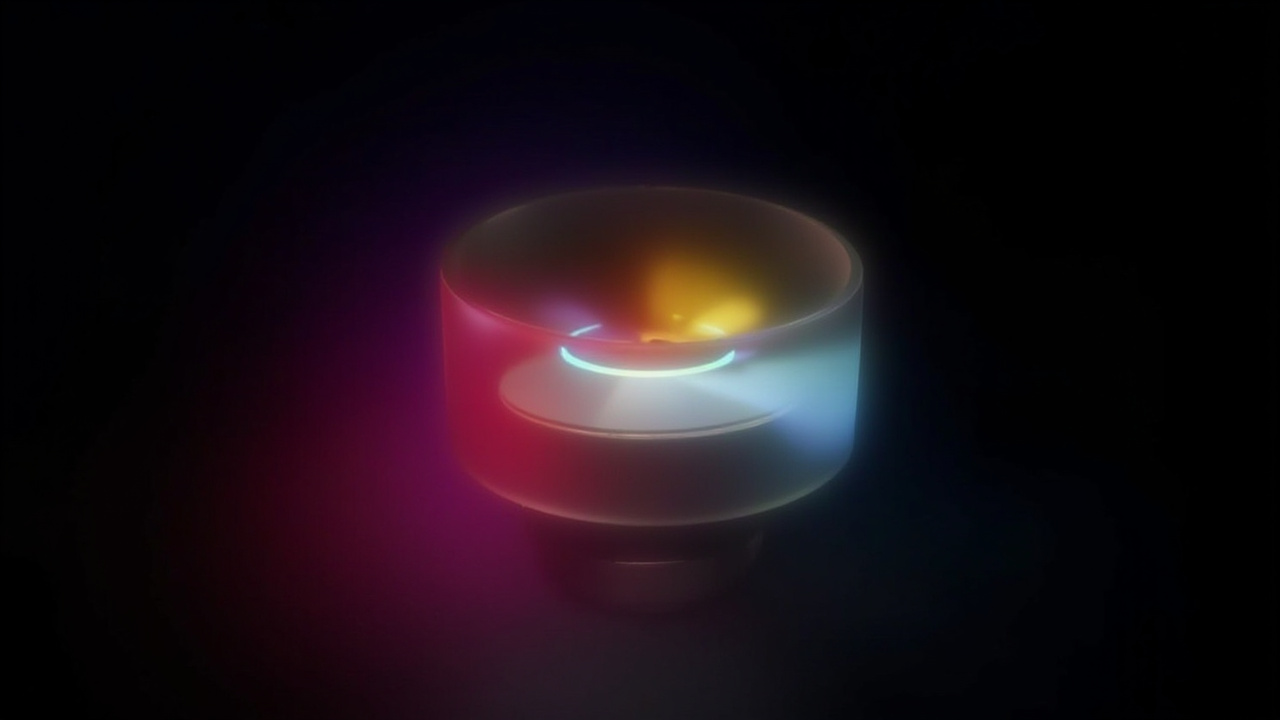
When I first heard about people spending hundreds of dollars on a fan, I thought they'd lost their minds. But after testing Dreame's bladeless MF10 for a few weeks, I'm ready to eat my words. This thing actually saved me money on my electric bill, and here's how.

When a speedy photo scanner showed up at my door, I finally tackled the boxes of fading family pictures that had been sitting in a garage for decades. What I discovered changed how I think about preserving memories—and it took less than a weekend.

From mystical Egyptian women seeking visions of fertility gods to people in modern China accidentally befriending "tiny elves," humans have always been chasing altered states of consciousness. These aren't just drug stories—they're glimpses into how our ancestors made sense of reality itself.
Scientists have just revealed that what we thought was one rare bird species in Japan is actually two — and the only way they figured it out was by looking at DNA. The discovery, which marks Japan's first newly described bird species in over 40 years, shows how much hidden biodiversity is waiting to be uncovered right under our noses.
Scientists have long believed that learning to talk relies mainly on the brain's movement centers. New research flips that assumption upside down, revealing that the parts of your brain that handle sound and physical sensation might actually be running the show.

Scientists have discovered something pretty unsettling: the world's most popular weedkiller might be helping dangerous bacteria become resistant to antibiotics. Before you panic and throw out your gardening supplies, let me break down what this actually means and why it matters.
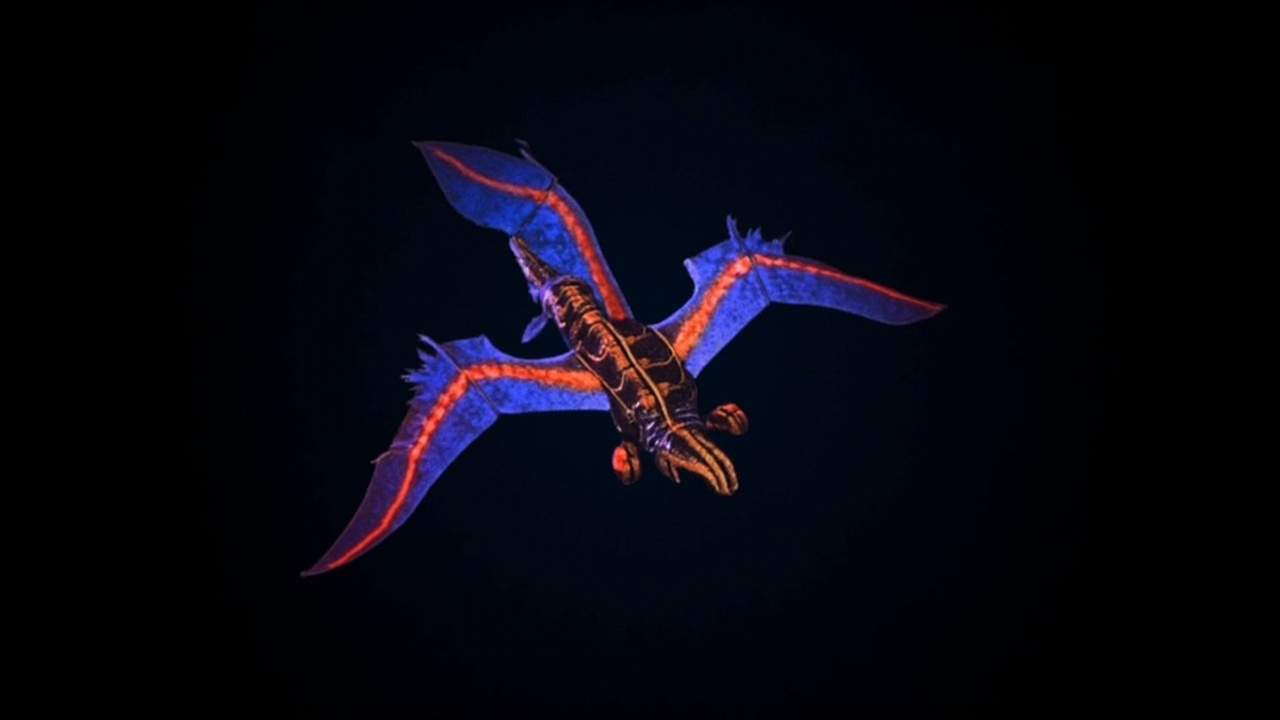
Scientists have uncovered a sneaky little predator with four wings that probably spent its days terrorizing ancient birds in what is now China. This newly discovered dinosaur, with feathers on both its arms AND legs, might be the culprit behind mysterious bone piles found at a famous fossil site.
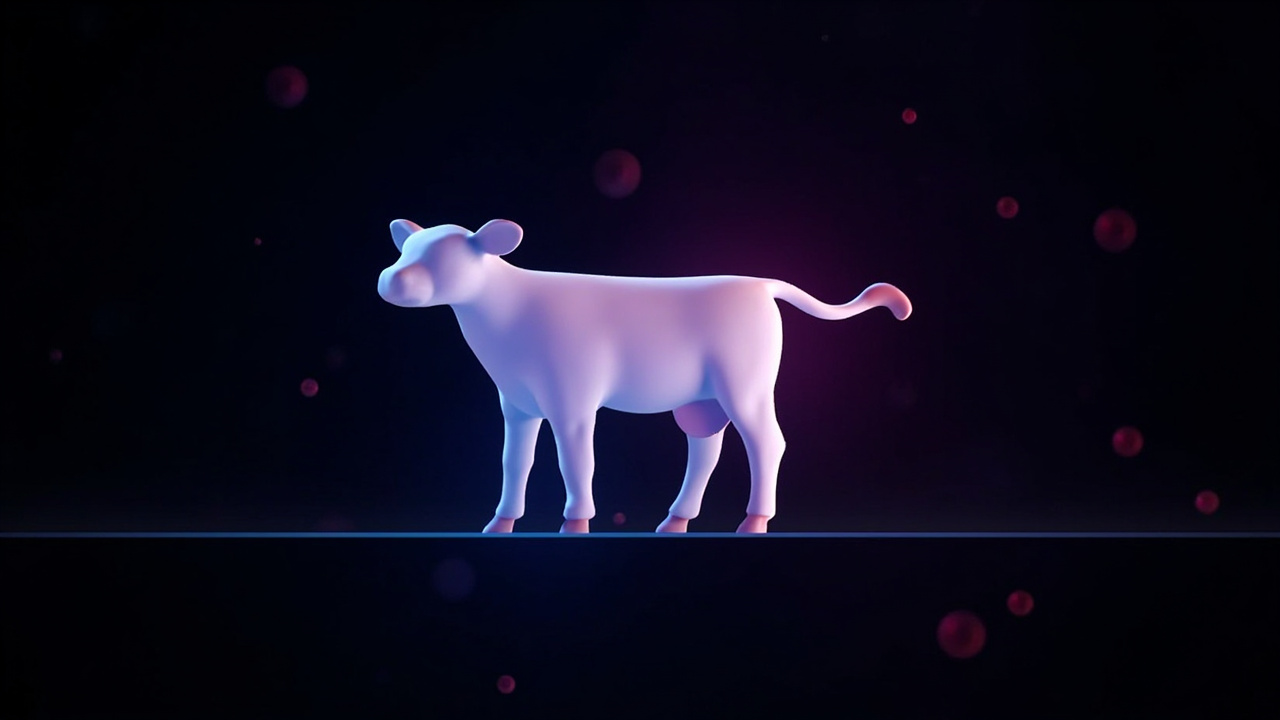
When H5N1 bird flu started spreading through American dairy herds in early 2024, something strange happened — the virus wasn't acting like any self-respecting flu should. Instead of attacking the lungs, it zeroed in on cow udders, causing severe and painful infections. Scientists were completely baffled. Now, a team of researchers has finally cracked the case, and honestly? The answer is kind of fascinating.

Scientists have found a mysterious third type of magnet that could revolutionize our electronics—and they might use a tiny defect in a diamond to hunt for more of them. It's like finding out there's a secret third flavor of ice cream that nobody knew existed.