

Scientists have created a solar-powered system that can turn seawater into fresh water—and it does it without producing any toxic brine waste. The trick? A special black metal treated with ultrafast lasers that gives it incredible self-cleaning abilities. Here's why this matters so much for our water-starved world.
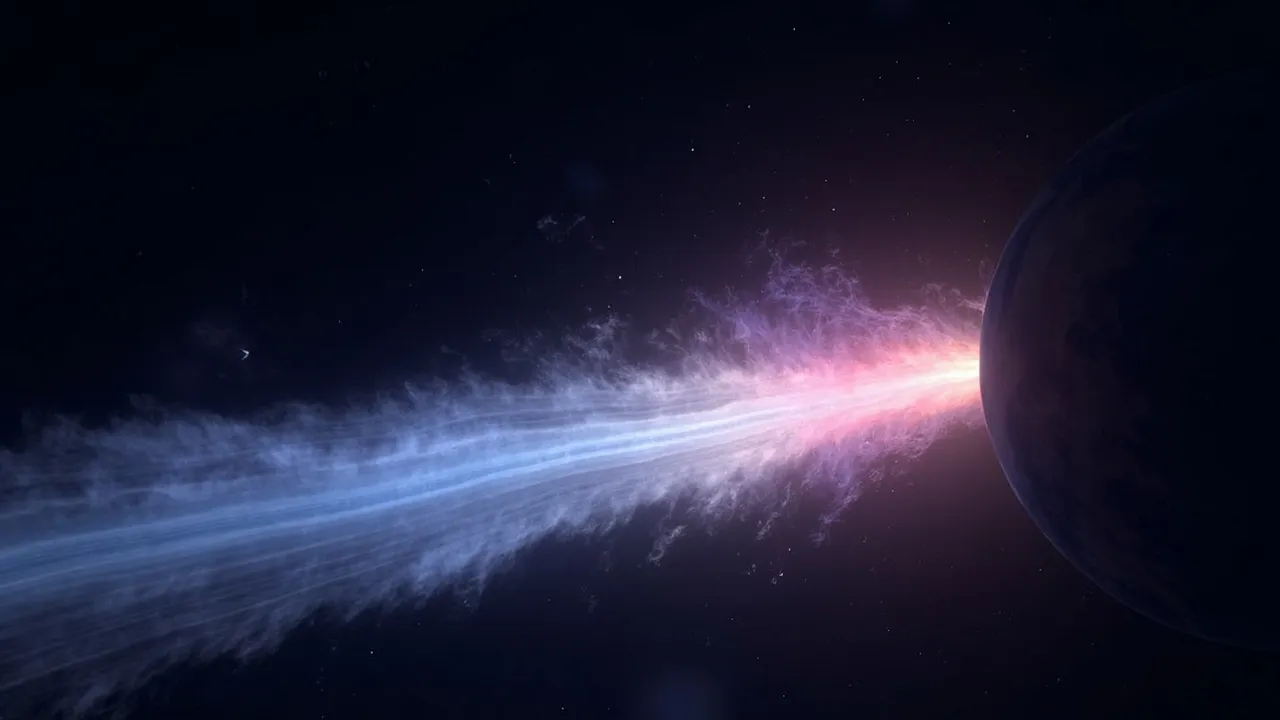
Something incredible has shown up in data from NASA's New Horizons spacecraft — what appears to be liquid nitrogen bubbling up from Pluto's surface. It's a discovery that completely upends what scientists thought they knew about this small, frozen world sitting at the edge of our solar system.
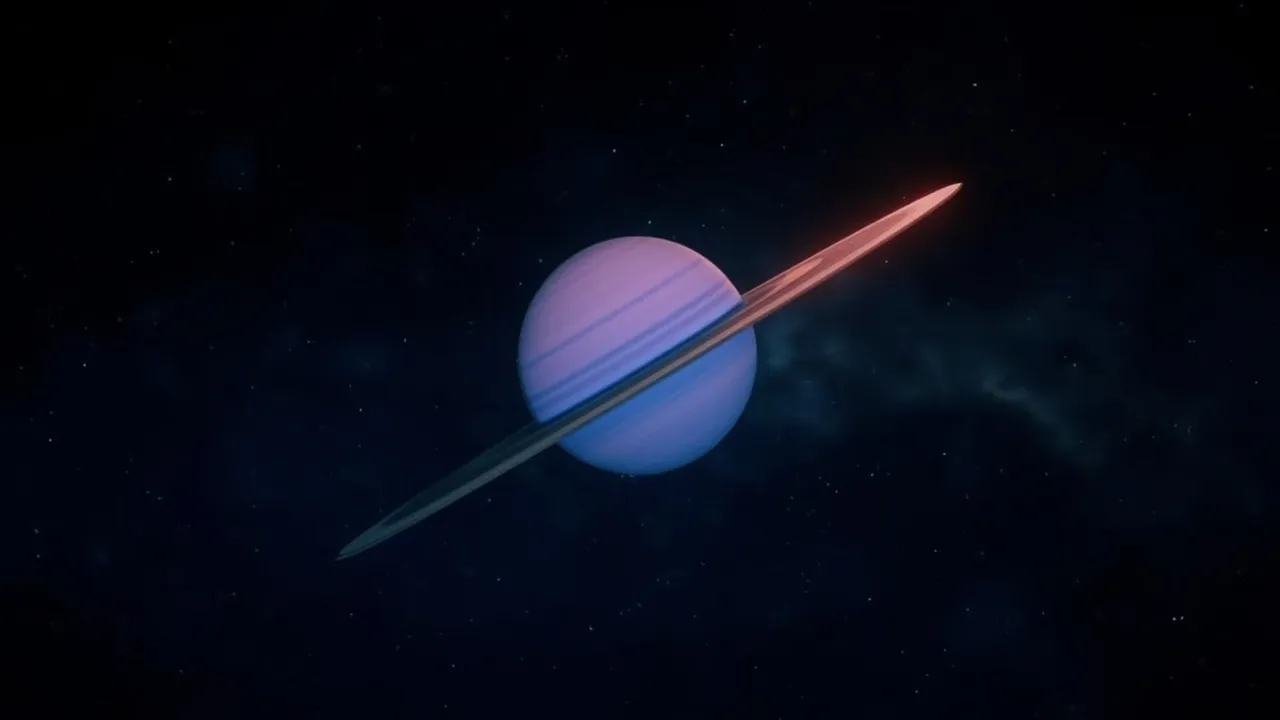
The James Webb Space Telescope just spotted something unexpected. Chariklo—a tiny, asteroid-like object drifting through the outer Solar System—has rings. That's already unusual. But here's the really strange part: those rings are changing. We're not talking gradual shifts over millions of years. The changes are visible within just a few years. And nobody quite expected this.
In an Australian cave, researchers uncovered evidence of rituals that go back 25,000 years — and the proof was almost impossibly tiny. This is the story of Cloggs Cave and how ancient plant fossils are reshaping our understanding of Indigenous spiritual practices.
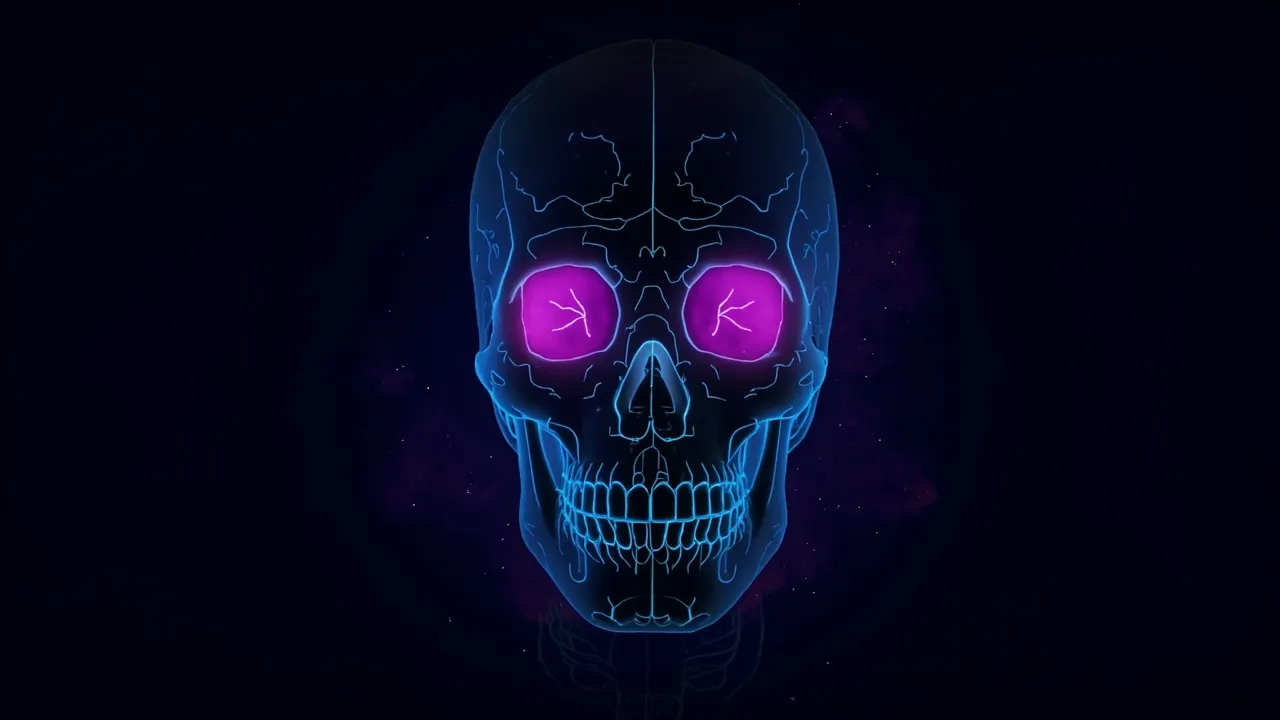
Your skull does a lot more than just protect your brain—it also hosts tiny military bases for your immune system. Scientists have discovered these hidden outposts, and they appear to be the brain's first line of defense against cancer and disease. This breakthrough could completely change how we treat neurological conditions.
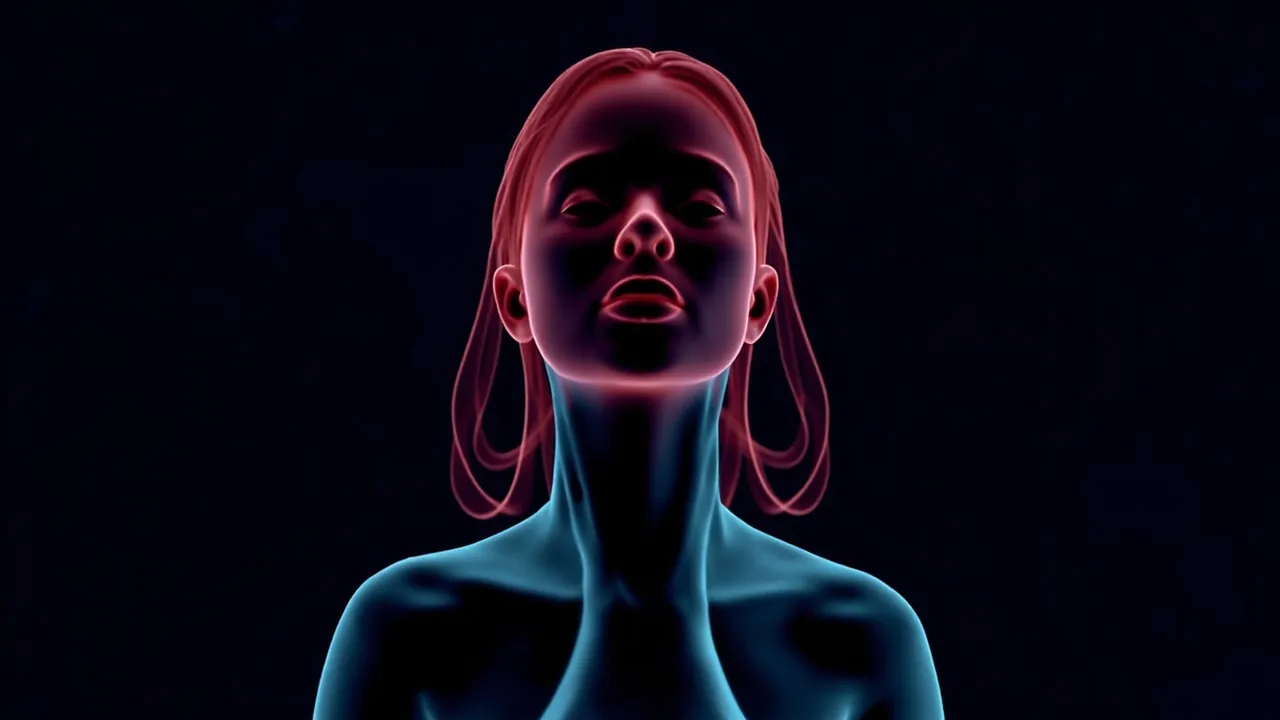
Jo Cameron butun hayoti davomida og'riq sezmaydigan odam. U na katta operatsiyadan, na tug'ishdan, na boshqa hech qanday holatdan og'riq sezgan emas. Endi olimlar uning nodir genetik xususiyatlarini o'rganmoqda va agar ularning kashfiyotlari butun dunyoda 1,5 milliarddan ortiq odamga yordam berishi mumkin bo'lsa-chi?

In 2023, researchers made headlines when they found that a chemical compound related to sucralose—the pink-yellow-blue sweetener you probably have in your kitchen—might damage DNA in lab tests. But before you start tossing out every Splenda packet you own, let me break down what the science actually says (and what it doesn't).
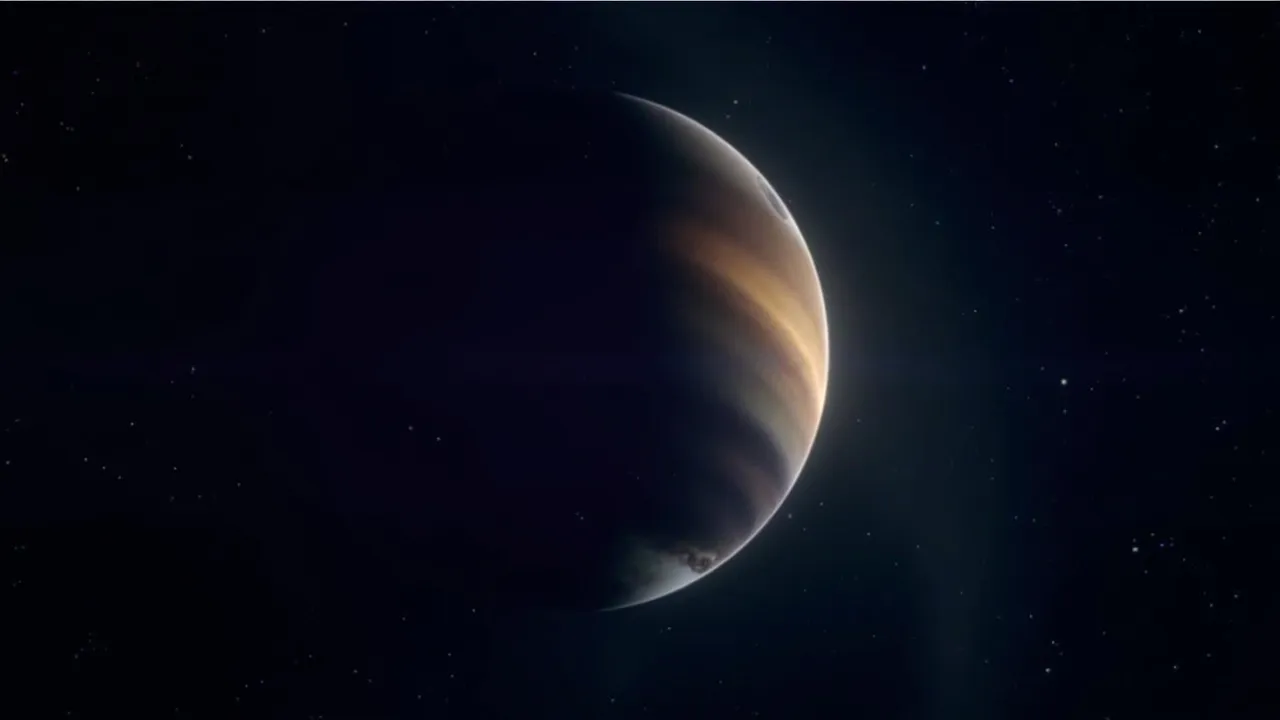
Venus is often called Earth's twin, but new research reveals it might have an even stranger history than we thought. Scientists now believe our neighboring planet may have once had its own moon — only to slowly devour it in a gravitational tragedy that unfolded over millions of years.
Scientists spent decades assuming Earth formed from material that drifted in from the outer edges of our Solar System. But fresh research tells a different story — our planet may have come together entirely from "local" ingredients. If this holds up, it flips everything we thought we knew about where Earth's water and other volatiles came from, and what that means for understanding our cosmic origins.
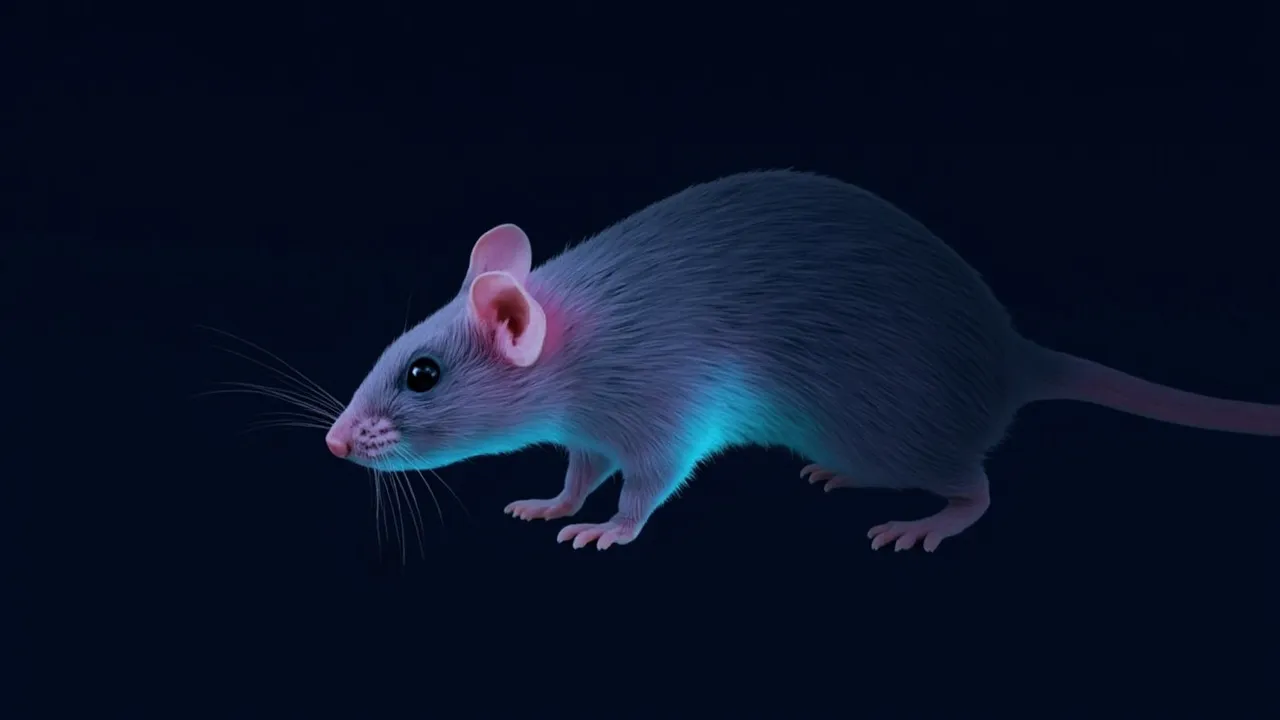
Scientists at University College London have pulled off something that sounds like science fiction: they managed to reconstruct videos that mice were watching, just by reading the electrical activity in the animals' brains. It's a breakthrough that could shake up everything we thought we knew about how animals — including us — process the visual world.
Turns out, a massive piece of the ancient supercontinent Gondwana has been hiding right under our noses in the Himalayas all along—and it's rewriting everything we thought we knew about Earth's history and the evolution of complex life.
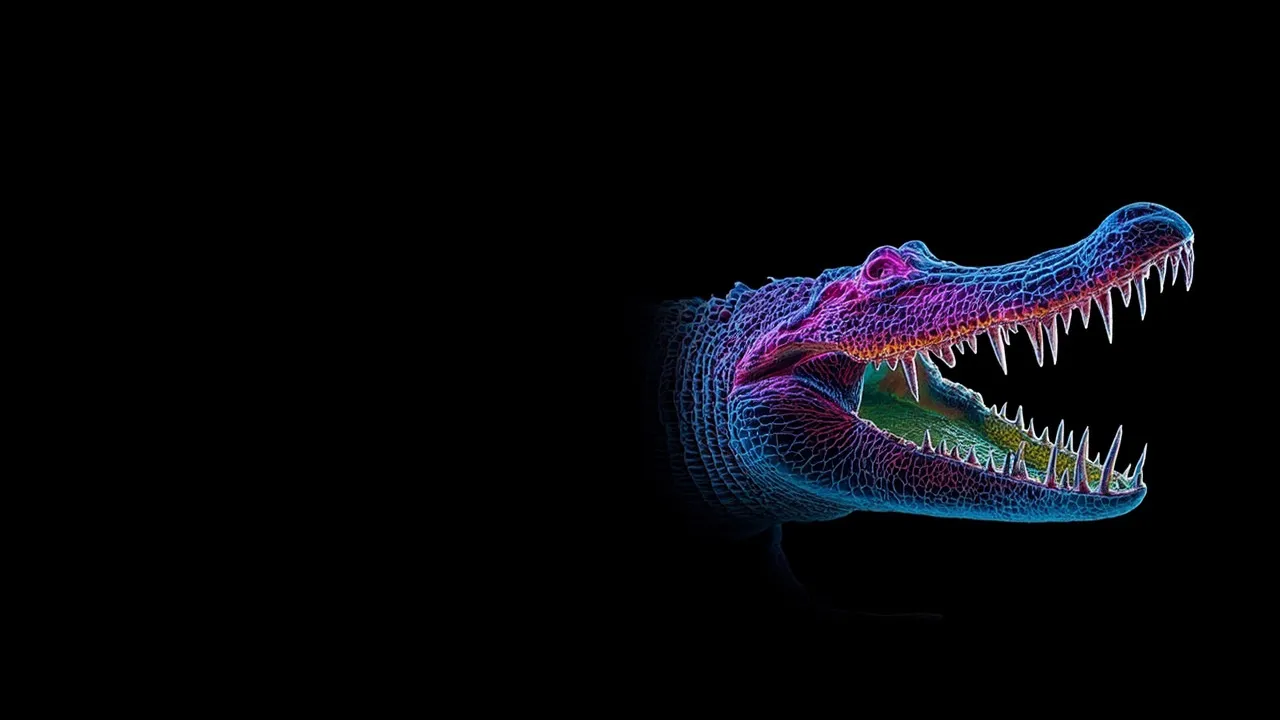
Tasavvur qiling: 125 million yil oldin yashagan timsahning qanday ko'rinishda bo'lganini ko'ryapsiz — po'stlog'i, terisi bilan birga. Aynan shunday narsa ro'y berdi. Olimlar Ispaniyadan olingan kichkina qazilma qoldiqqa ultrabinafsha nur qo'lladi va 125 million yillik sirlarni ochdi. Bu kashfiyot timsahlarning eng qadimgi kamuflyaj (yo'ldirib yashirinish) izi bo'lishi mumkin.

What if I told you your body could actually be younger than your birth date implies — and that changing what you eat for just four weeks might reverse that? Sounds far-fetched, I know. But some compelling new research out of Australia suggests this could be more than just wishful thinking, at least when it comes to the biological signs of aging. Let me walk you through what the scientists discovered and what it might mean for all of us.
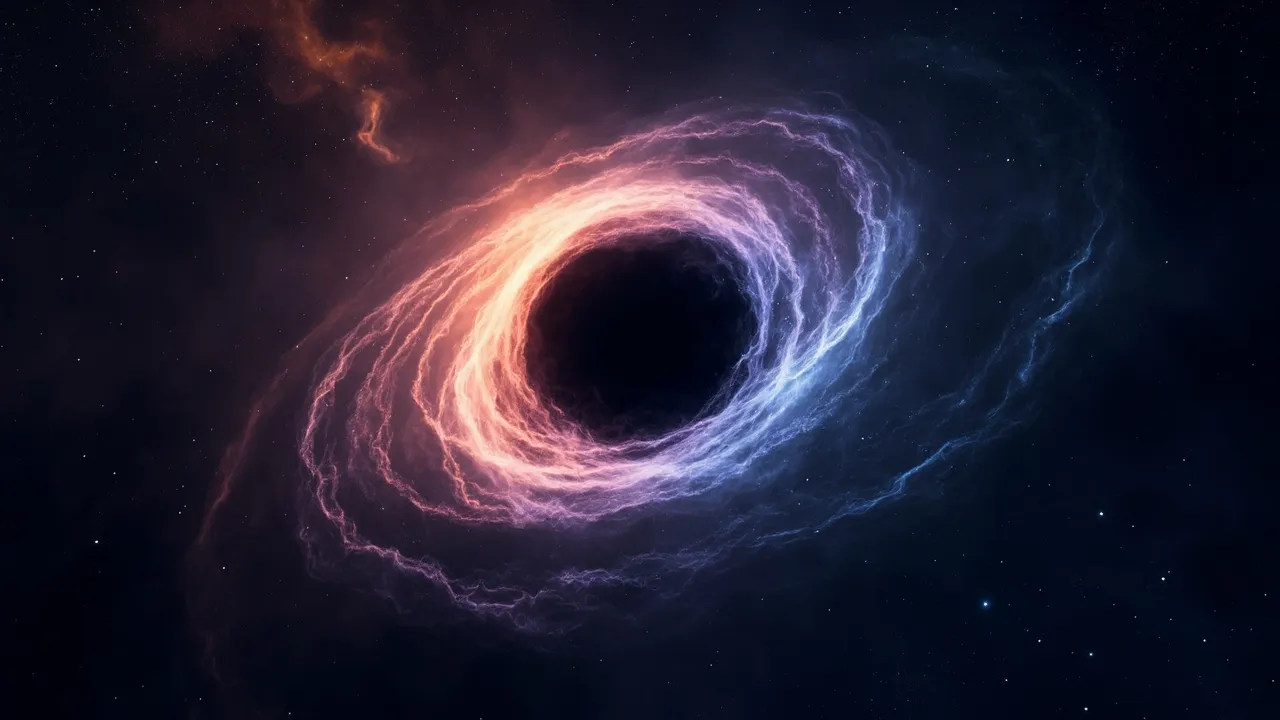
Researchers have uncovered something surprising about supermassive black holes—they blast out winds carrying far more energy than we ever thought possible, stretching across hundreds of thousands of light-years. This discovery completely flips our understanding of how these cosmic giants shape the universe around them.
What if I told you that mixing a small amount of biochar—derived from human waste—into concrete could make it stronger while also cutting its carbon footprint? Sounds too good to be true, right? But scientists have actually proven just that. And before you scrunch up your face at the idea, let me explain why this might be one of the smartest green innovations we've seen in a while.
Qozog'istonda ikki o't o'chiruvchi odatiy qo'riqlash paytida g'ayrioddiy narsaga duch keldi—qadimiy grantda o'yilgan inson yuzi. Arxeologlar ham buni tushuntirishga qiynalyapti. Eng qiziq tomoni shundaki, hech kim uning yoshiga kelisha olmayapti.
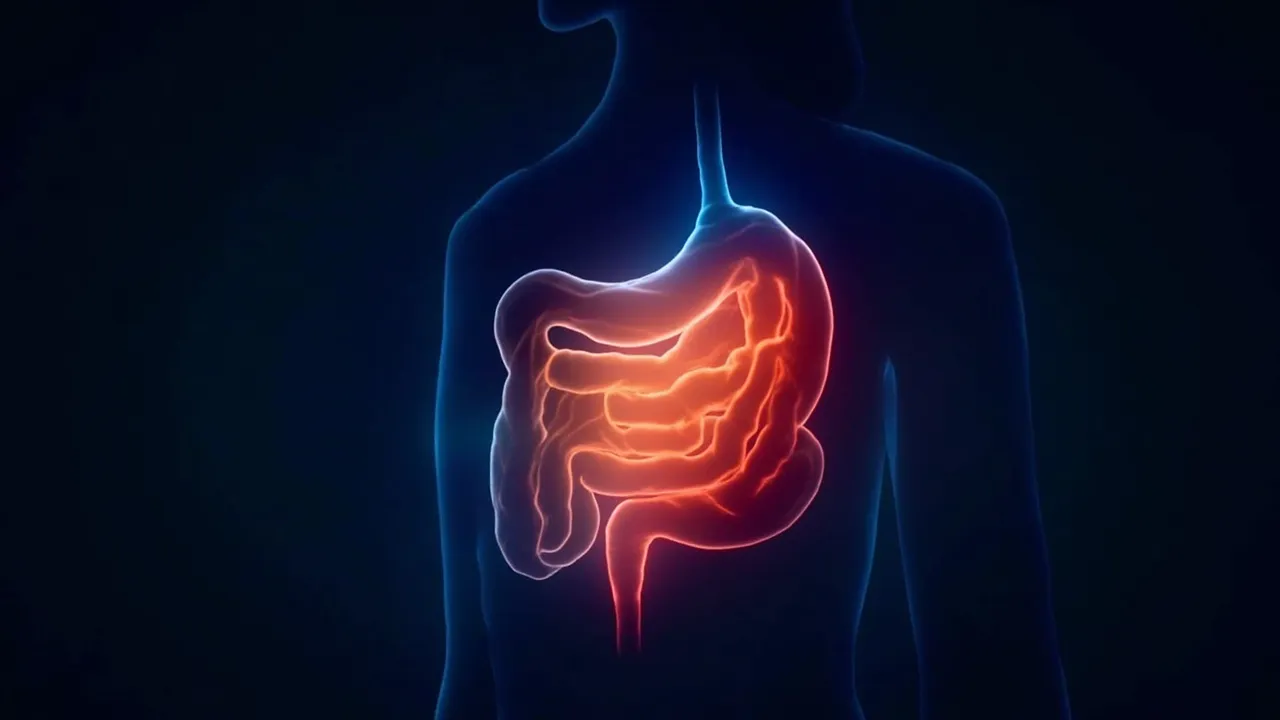
Nearly 2 million people took part in a major new study, and what they found is pretty eye-opening: people with ADHD are way more likely to deal with digestive problems. But here's the thing—what does that actually mean for you, and why should it matter? Let me break it down so it actually makes sense.
In thousand-year-old sheepskin manuscripts, scientists have stumbled upon something remarkable - DNA from a deadly sheep disease that people in medieval times genuinely believed was caused by witchcraft. The pathogen, called sheeppox, devastated herds across Europe for centuries and still poses a threat to Greece's famous cheese industry today.

Researchers have cracked a way to speed up quantum computer operations by more than a thousand times—and honestly, the numbers don't even capture how significant this is. It's not just about going faster; it's about finally addressing the error issue that's been a major roadblock for quantum computing all along.
So you've probably heard about GLP-1 drugs and how everyone's obsessed with them for weight loss. But here's the thing — researchers may have stumbled onto something even bigger. These medications might actually slow down the aging process itself. I know that sounds like I'm jumping the gun, but the science here is actually pretty compelling.