
A provocative 2025 theory flips everything we thought we knew about reality on its head—suggesting that consciousness didn't emerge from the Big Bang, but actually created it. It's the kind of mind-bending idea that has physicists either excited or rolling their eyes. So which is it, and why does it matter?
A routine boat maintenance job turned into a major scientific discovery when researchers found living microbes in the most unexpected place. A simple cup of "black goo" from a ship's rudder revealed entirely new forms of life that could even help us make biofuel.
After decades of waiting, researchers might have cracked the code on male birth control that actually doesn't mess with your body. A new study shows one experimental pill works without tanking your testosterone, destroying your mood, or making you feel like a walking chemistry set.
Astronomers just might have spotted something that shouldn't exist: a kilonova (two neutron stars colliding) hiding inside a supernova explosion. If they're right, we're witnessing an entirely new type of cosmic catastrophe that's never been confirmed before.
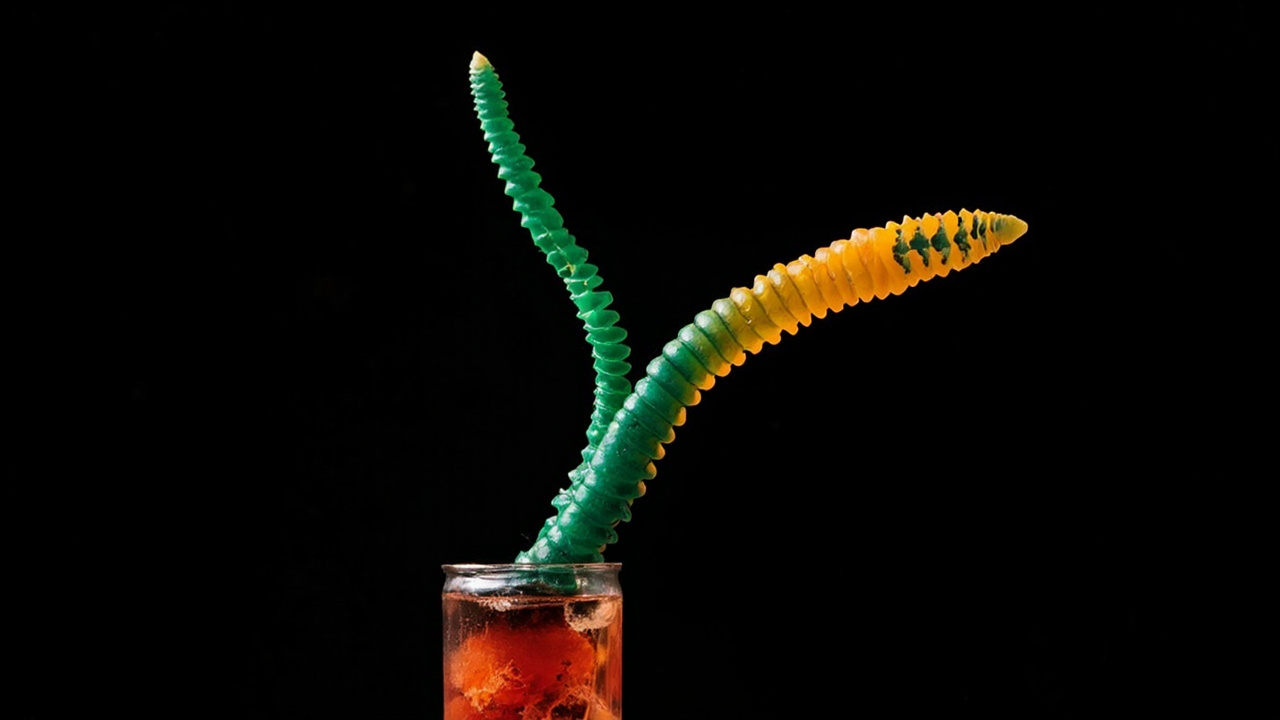
You know that creepy "worm" floating in some mezcal bottles? Scientists finally figured out what it actually is — and the answer might surprise you. But here's the catch: solving this decades-old mystery revealed something way more concerning about the future of mezcal itself.
In 1930, a sled dog named Chinook became a polar exploration hero, hauling supplies across 1,300 miles of frozen wasteland. But when his final mission ended, the legendary husky vanished without a trace—leaving behind only his harness and a mystery that still captures imaginations today.
For decades, scientists blamed drought for the mysterious disappearance of Maya civilization. But new research is flipping the script—revealing that some Maya cities actually had plenty of water when they vanished. So what really happened? The answer is way more dramatic than we thought.
What if something as simple and cheap as a vitamin D supplement could nearly double your chances of beating breast cancer? A new Brazilian study is turning heads with findings that suggest this humble nutrient might be a game-changer for chemotherapy patients—and it costs way less than fancy pharmaceutical alternatives.
Scientists just discovered how to make light swirl like a miniature whirlwind, and it's way simpler than anyone expected. This breakthrough could lead to smaller, cheaper quantum communication devices and transform how we build the next generation of optical technology.
Scientists just watched antimatter do something totally wild: behave like a wave. For the first time ever, they've caught positronium—a weird hybrid of an electron and its antimatter twin—acting like it's in two places at once. This discovery could unlock entirely new ways to study gravity, quantum mechanics, and the universe itself.
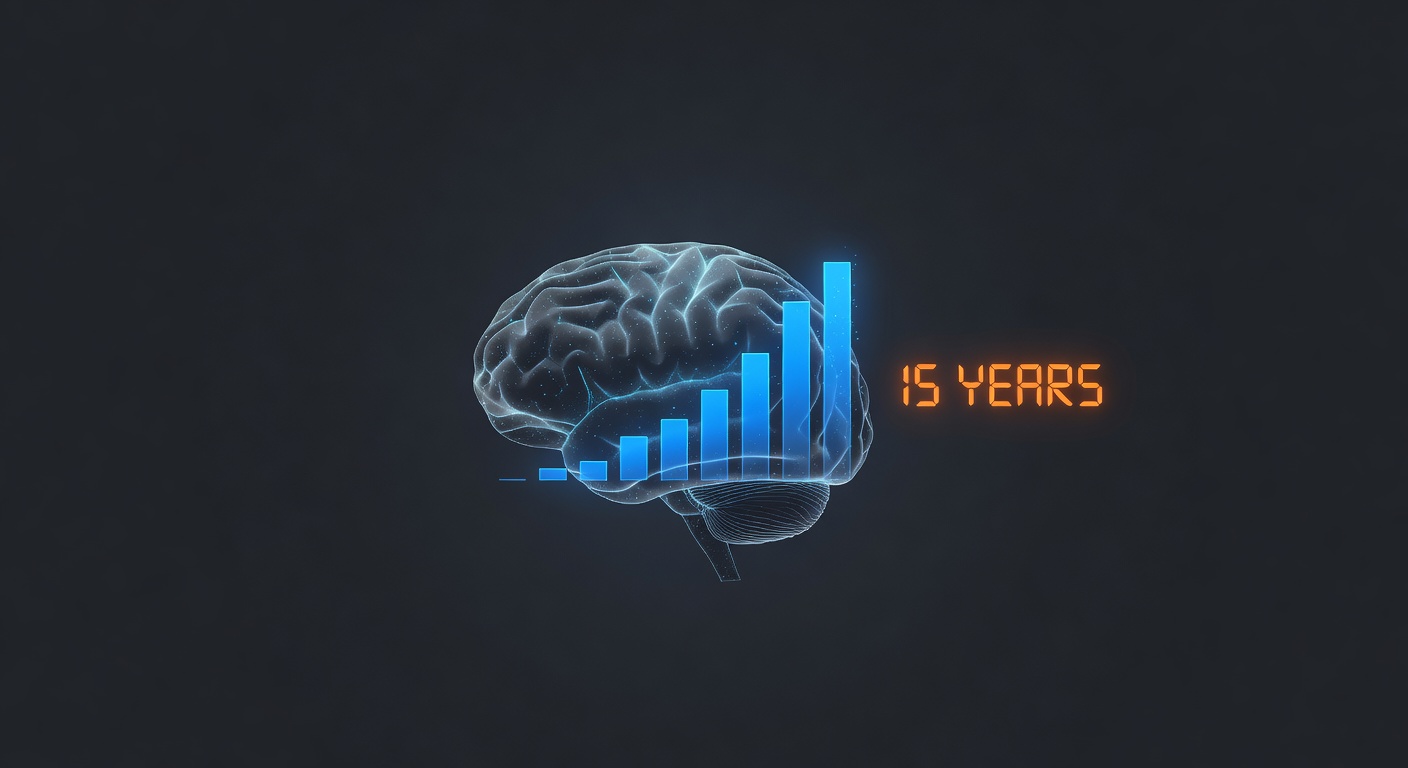
A researcher has created a scoring system to measure consciousness—and it suggests artificial intelligence could develop genuine self-awareness in as little as 15 years. The catch? We might not even realize it when it happens.
After three decades of obsessive searching, someone finally found the buried treasure from France's most legendary puzzle game. But here's the twist—nobody can agree if they actually solved it, and now the whole thing has exploded into accusations of fraud and conspiracy theories.
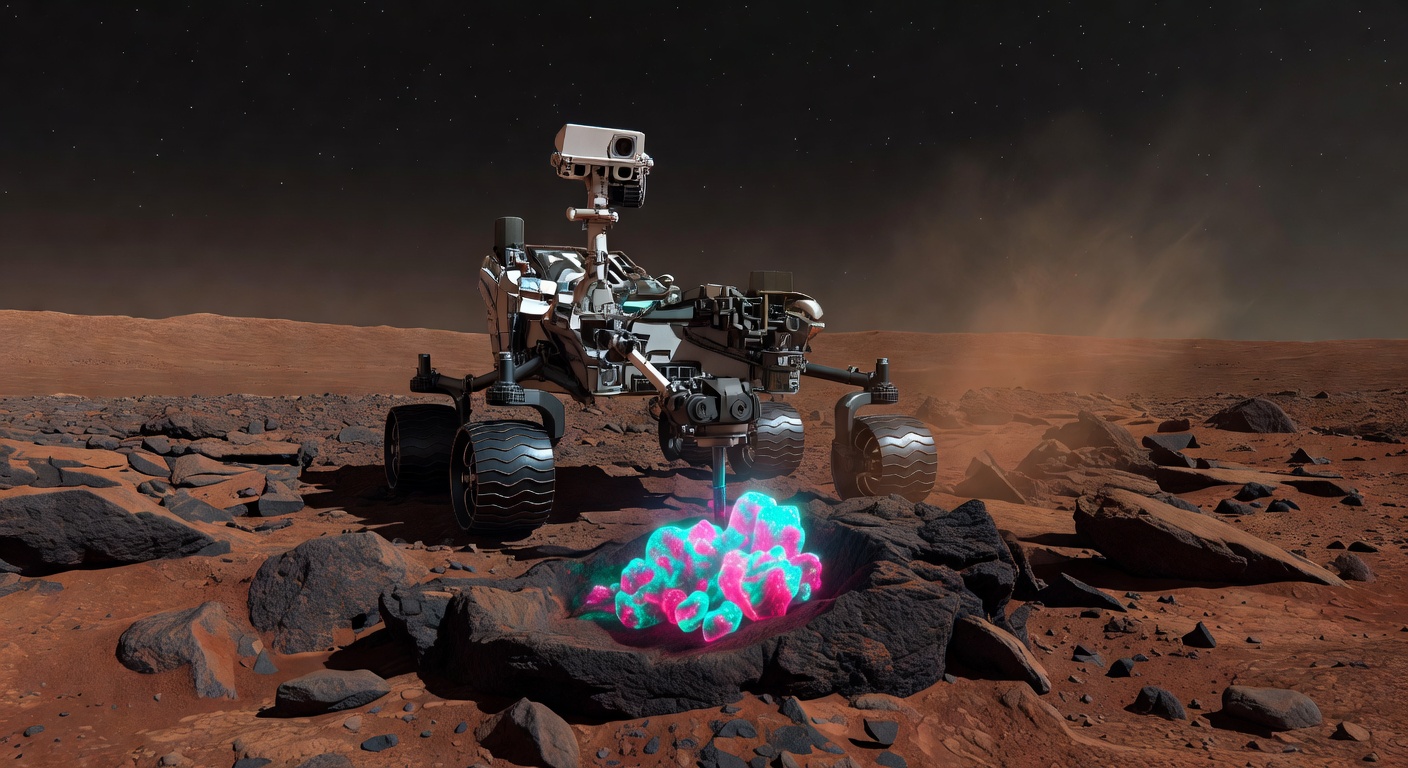
NASA's Curiosity rover stumbled upon a treasure trove of organic molecules on Mars, including compounds that look suspiciously like the building blocks of life. The discovery doesn't prove Martians existed, but it's raising some seriously fascinating questions about what Mars was like billions of years ago.
Scientists just used artificial intelligence to uncover hidden laws of nature lurking in dusty plasma—and the breakthrough might apply way beyond the lab. What makes this discovery wild is that AI didn't just analyze data; it actually helped physicists see physics they'd never spotted before.
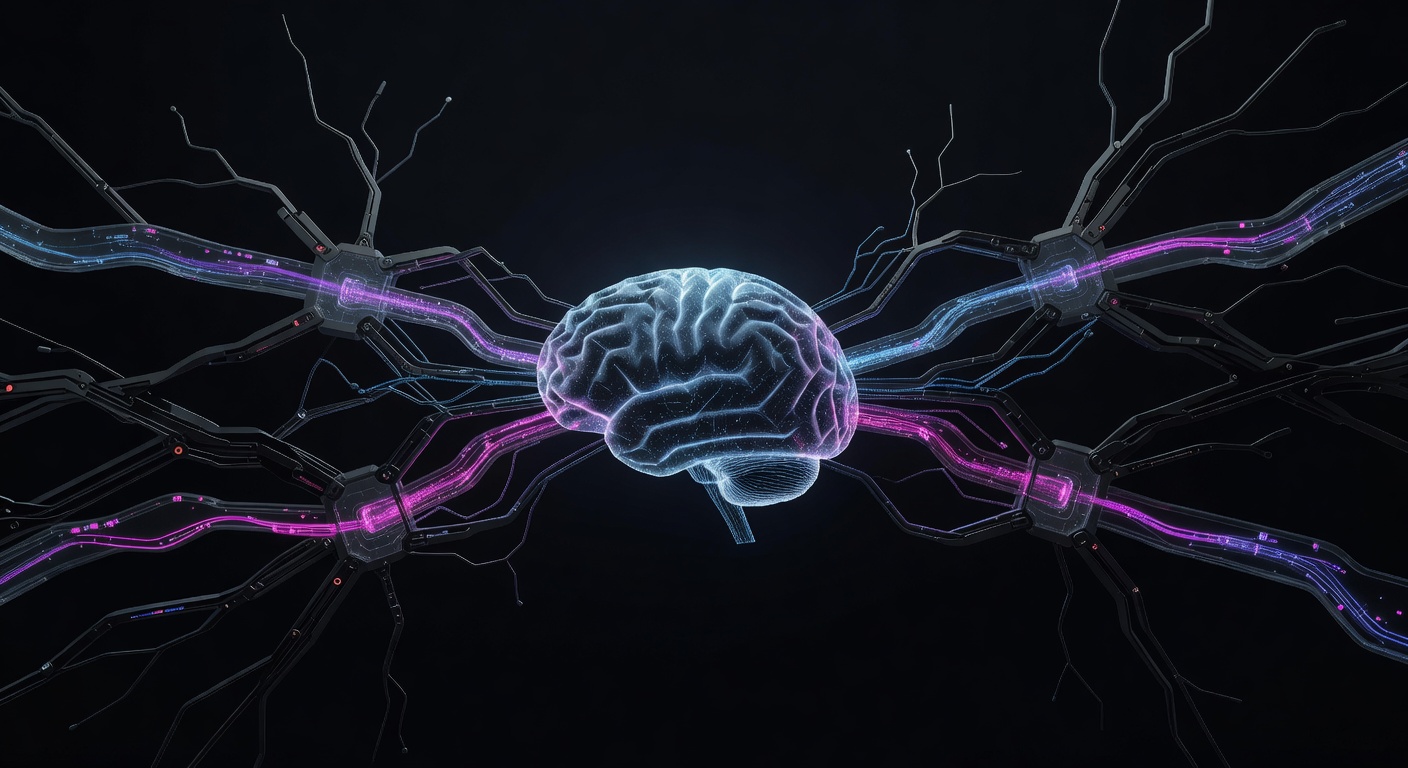
Scientists just built artificial brain cells that can actually communicate with real brains, and it's a game-changer for making AI less of an energy hog. Your brain runs on about 20 watts, while AI data centers gulp down millions of watts. This breakthrough could finally help us merge biological efficiency with machine intelligence.
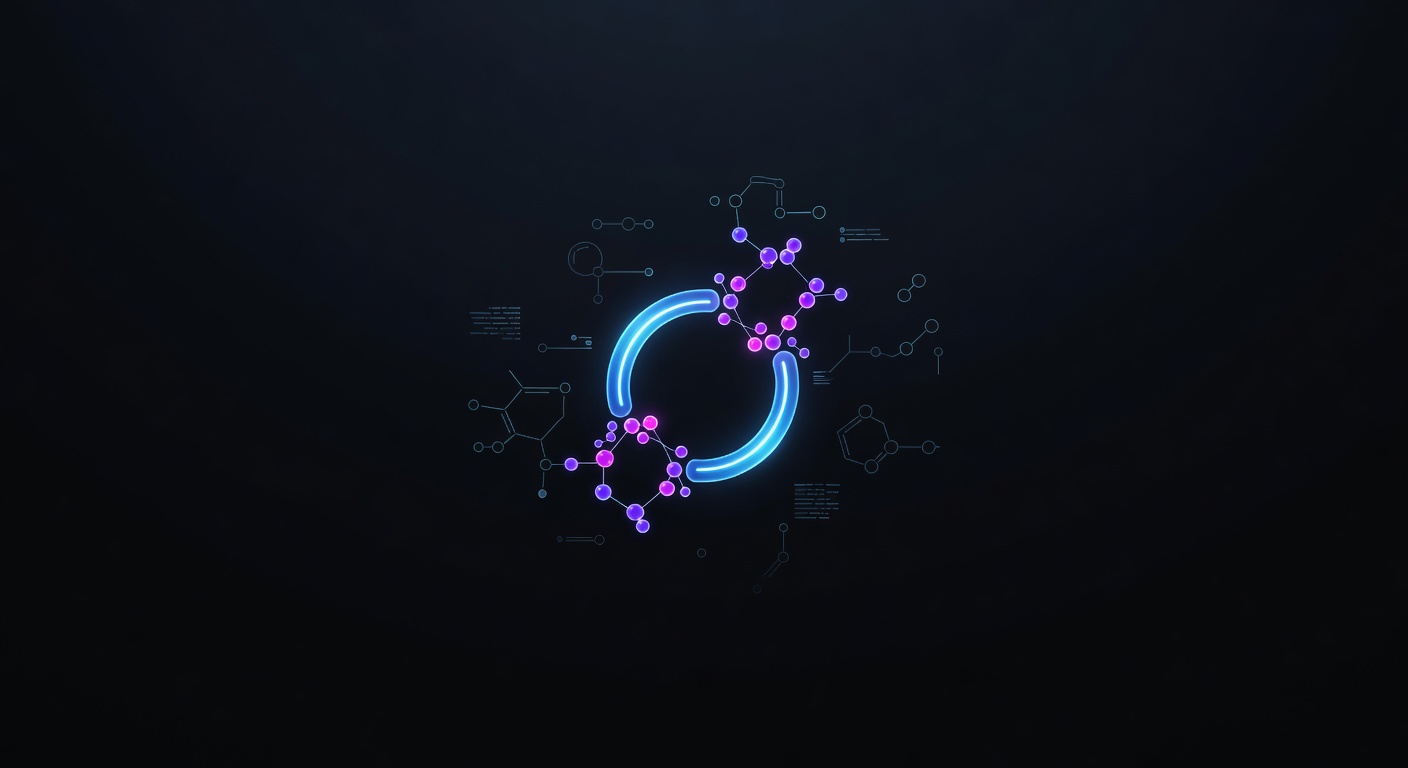
Researchers just figured out how to supercharge popular diabetes and obesity medications using a clever enzyme that reshapes drugs into ring-shaped structures. This discovery could mean these blockbuster treatments stick around longer in your body and pack more of a punch — potentially changing how we approach weight management and diabetes treatment.
Scientists just figured out that dreams aren't random nonsense or boring reruns of your day. They're actually your brain creatively remixing your memories, personality, and life experiences into wild new scenarios. And it turns out that who you are as a person has a huge say in what your dreamscapes look like.
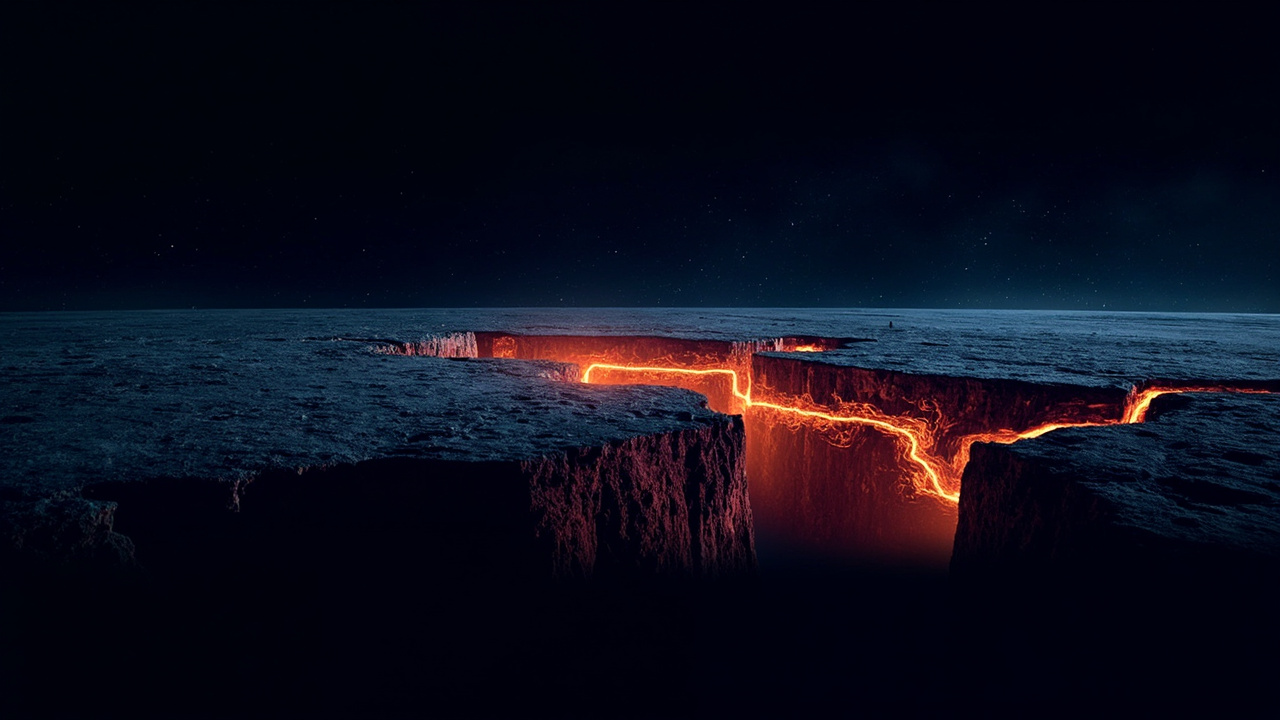
Scientists just discovered that Africa's East African Rift is much further along in tearing the continent apart than anyone expected. The crust there is dramatically thinner than previously thought, which not only reshapes our understanding of how continents break apart, but also explains why this region has become a goldmine for discovering ancient human fossils.
Scientists just upended everything we thought we knew about human origins. Turns out humans didn't spring from one ancestral group in Africa — instead, we're the messy result of multiple interconnected populations mixing and mingling for hundreds of thousands of years. It's like discovering your family tree is actually a web.
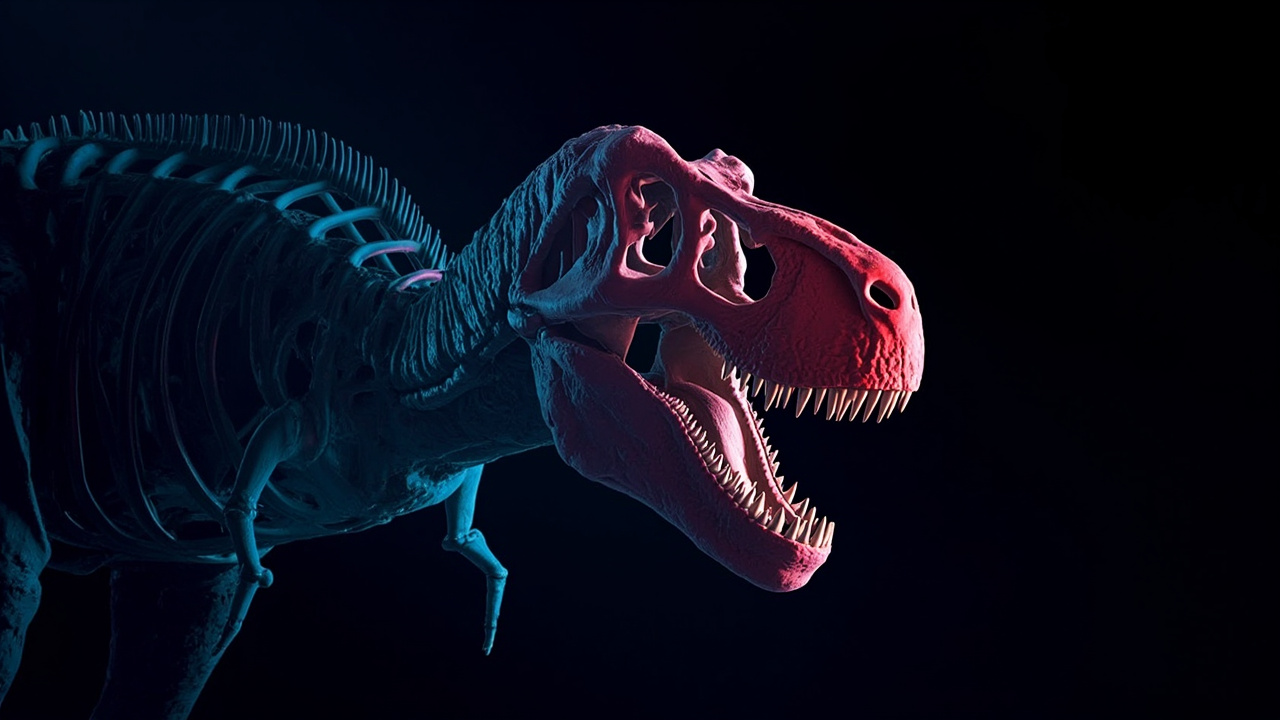
Scientists just found something extraordinary preserved inside a T. rex's ancient bones—and it's changing everything we thought we knew about how dinosaurs actually lived. Using cutting-edge physics technology, researchers discovered mineralized blood vessels in the massive fossil "Scotty," revealing clues about injury and survival that we've never been able to study before.