
Scientists just discovered something wild: chaotic laser light can spontaneously organize itself into a perfectly focused beam under the right conditions. This accident of physics could revolutionize how doctors image the brain and watch drugs do their job in real time.
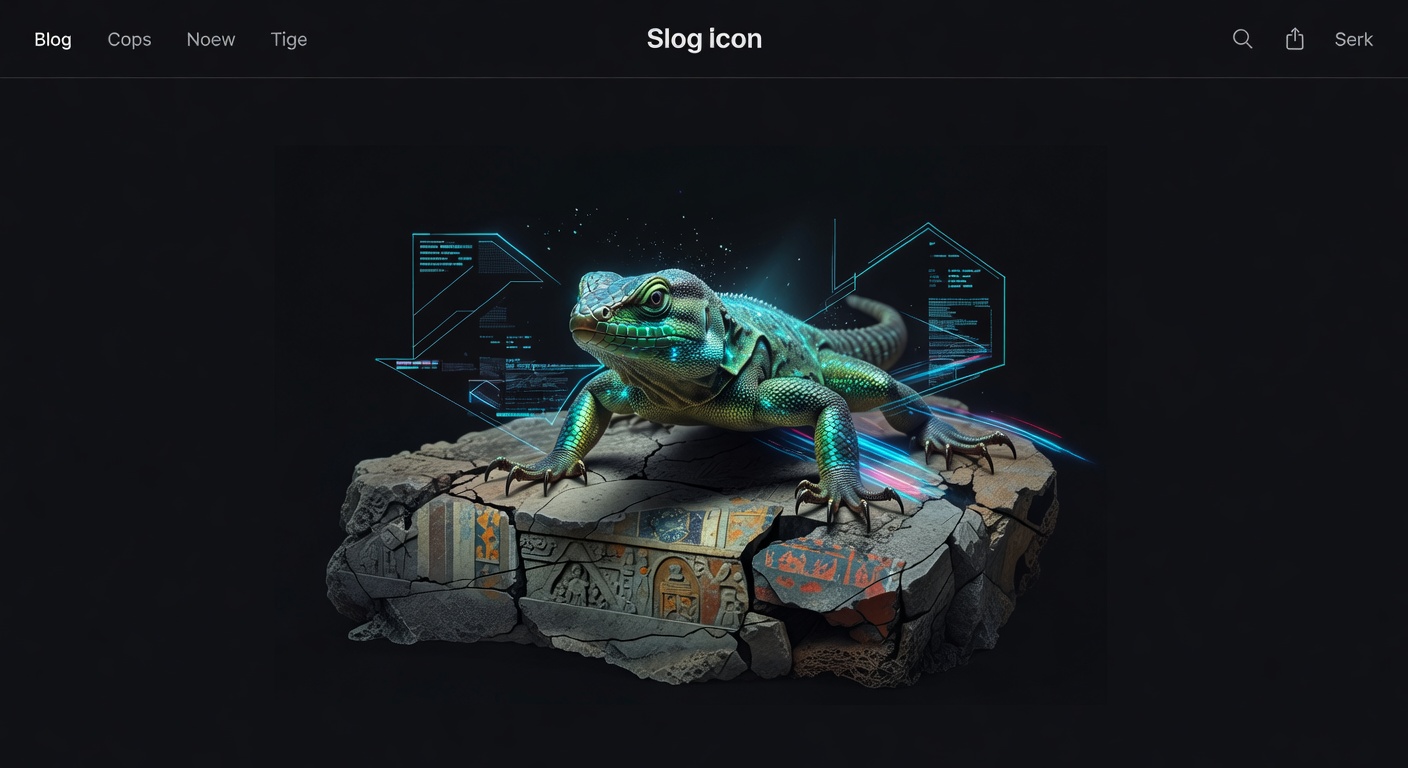
Scientists just discovered something wild: a super-aggressive breed of wall lizards is systematically wiping out the colorful diversity that's existed in their species for ages. In what feels like evolutionary fast-forwarding, these "Hulk" lizards are bullying their gentler cousins into extinction—and it's happening way faster than nature usually works.
Physicists have spotted something bizarre lurking inside atomic nuclei—a particle that shouldn't exist according to old physics, but does according to new theory. If they're right, this discovery could crack one of science's deepest mysteries: where does mass actually come from?
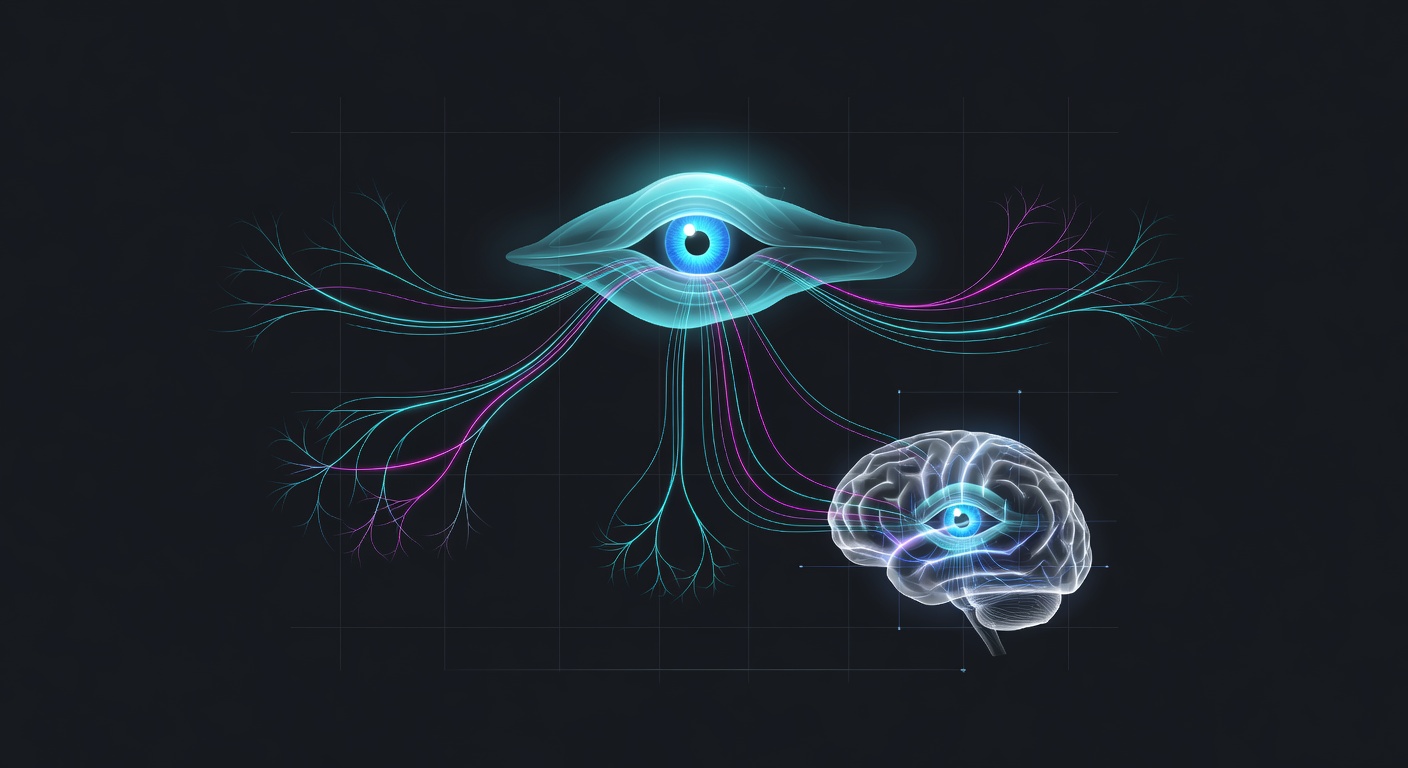
Scientists just discovered that all vertebrates—including you—evolved from a bizarre ancient creature with a single eye on top of its head. Even more wild? That ancient cyclops eye didn't disappear. It transformed into something you have right now in your brain.
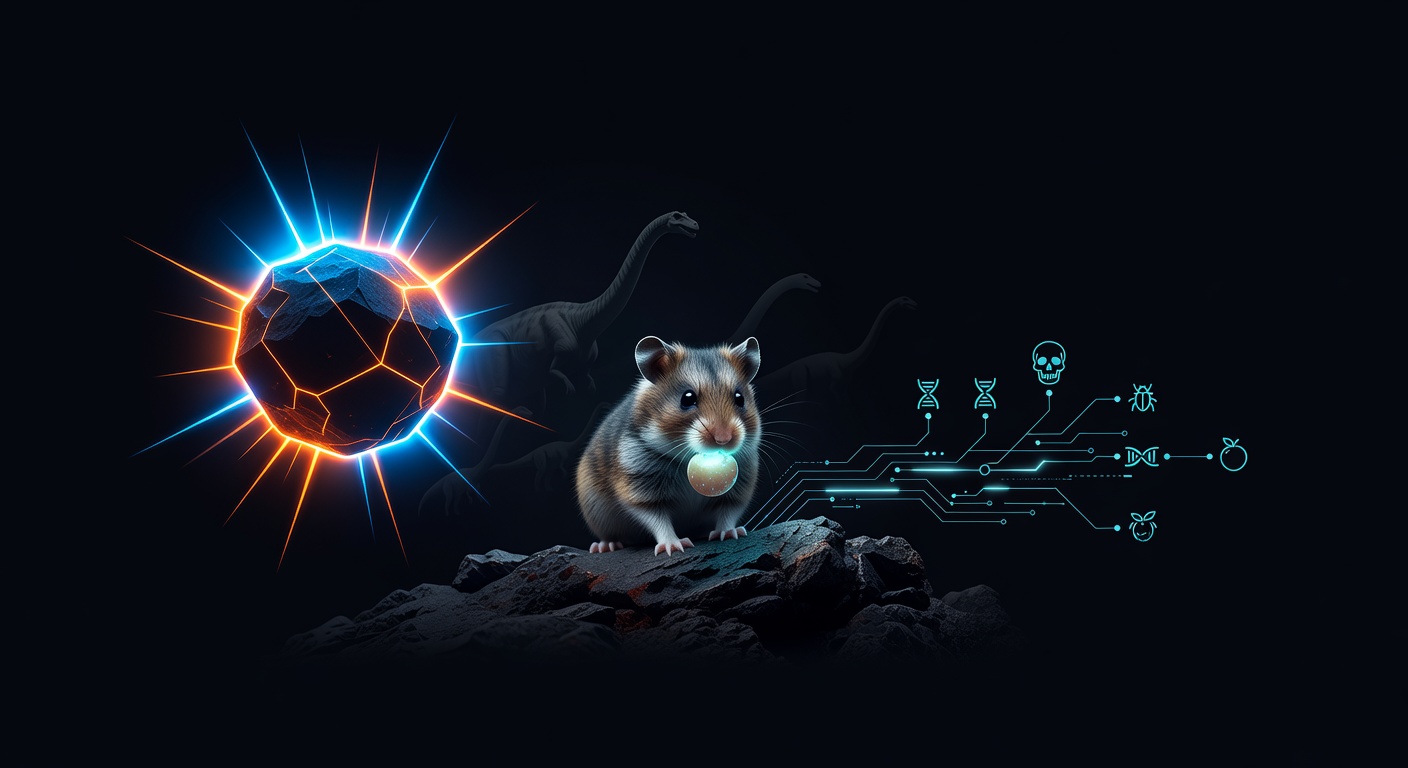
When an asteroid wiped out the dinosaurs 66 million years ago, one scrappy little mammal with a taste for fruit and bugs managed to survive—and eventually, its descendants would become you and me. Scientists just discovered a new species of this tiny hero, and its story is way more interesting than you'd think.
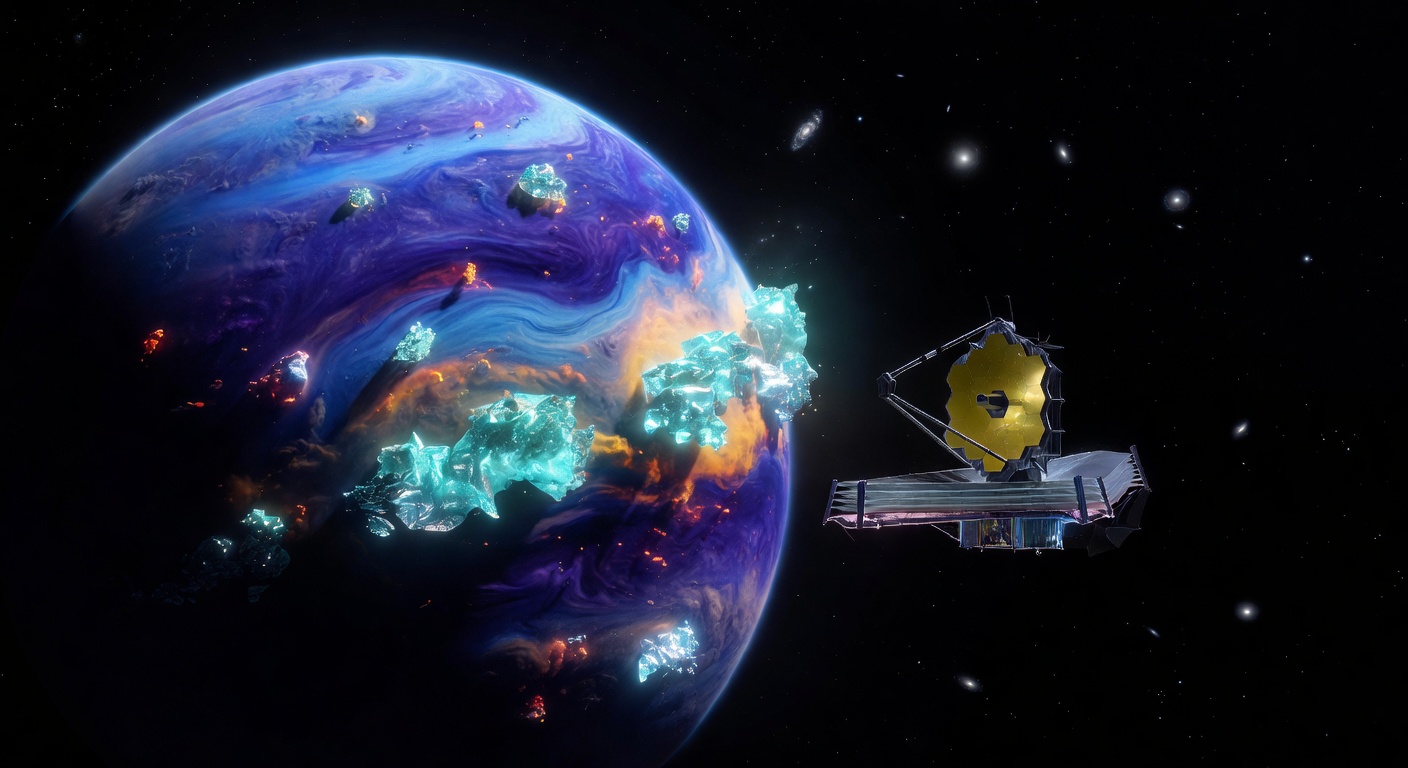
The James Webb Space Telescope just spotted something unexpected on a distant gas giant: water ice clouds where they really shouldn't be. This discovery is forcing astronomers to rethink everything they thought they knew about how alien planet atmospheres work, and it's one of the closest looks we've ever gotten at a real Jupiter-like world beyond our solar system.
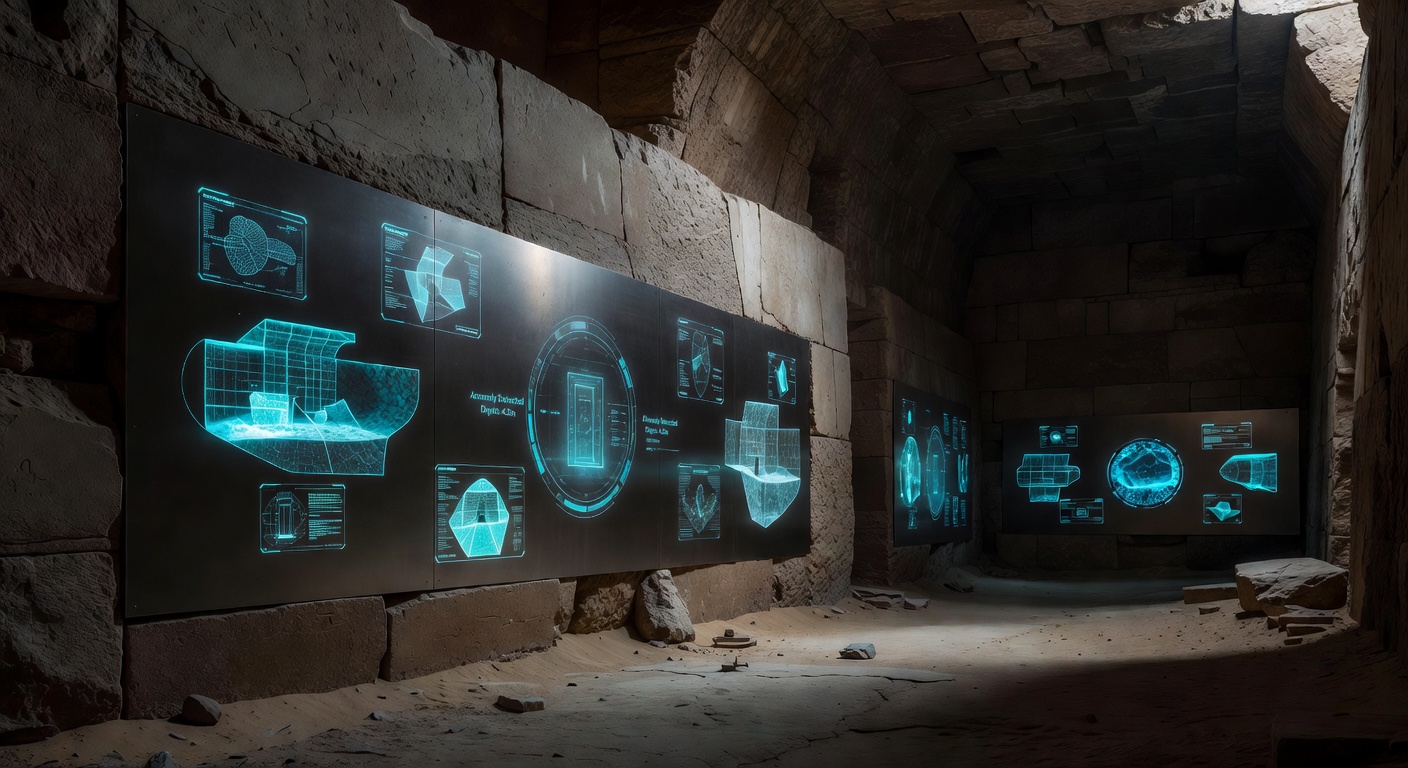
Scientists have discovered two hidden air pockets buried deep inside the Menkaure pyramid at Giza using cutting-edge scanning technology. These cavities might finally prove a controversial theory that's been bouncing around archaeology circles for years: there's a secret entrance waiting to be found.

A group of undergrads pulled off something that sounds like pure sci-fi: they built their own dark matter detector from scratch and used it to narrow down where one of the universe's biggest mysteries might be hiding. With a shoestring budget and some creative problem-solving, these students proved that you don't need a billion-dollar observatory to make real contributions to physics.
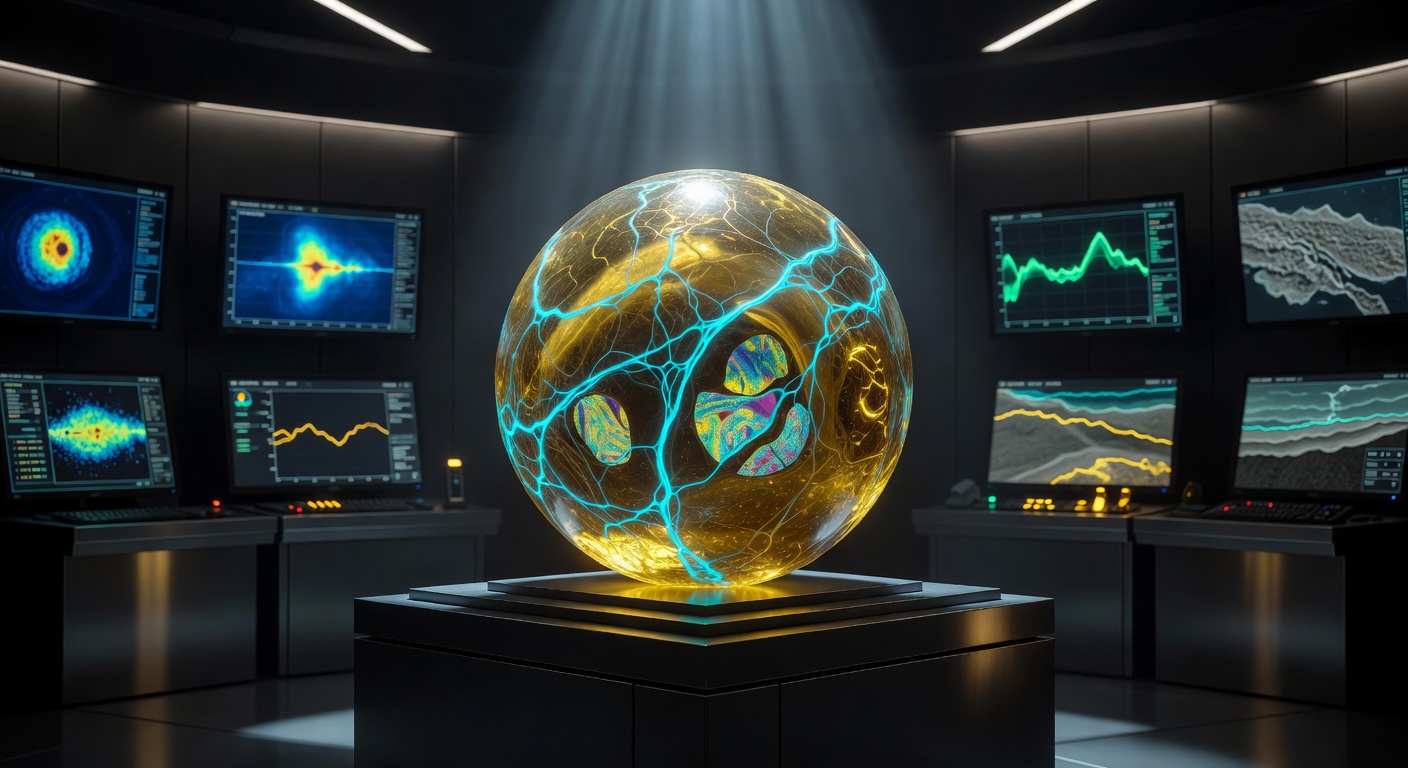
Remember that strange golden sphere that went viral after being pulled from the ocean floor? Turns out we've been staring at something way more bizarre than an alien egg or undiscovered creature. After two years of detective work, scientists finally cracked the case—and the answer is genuinely fascinating.
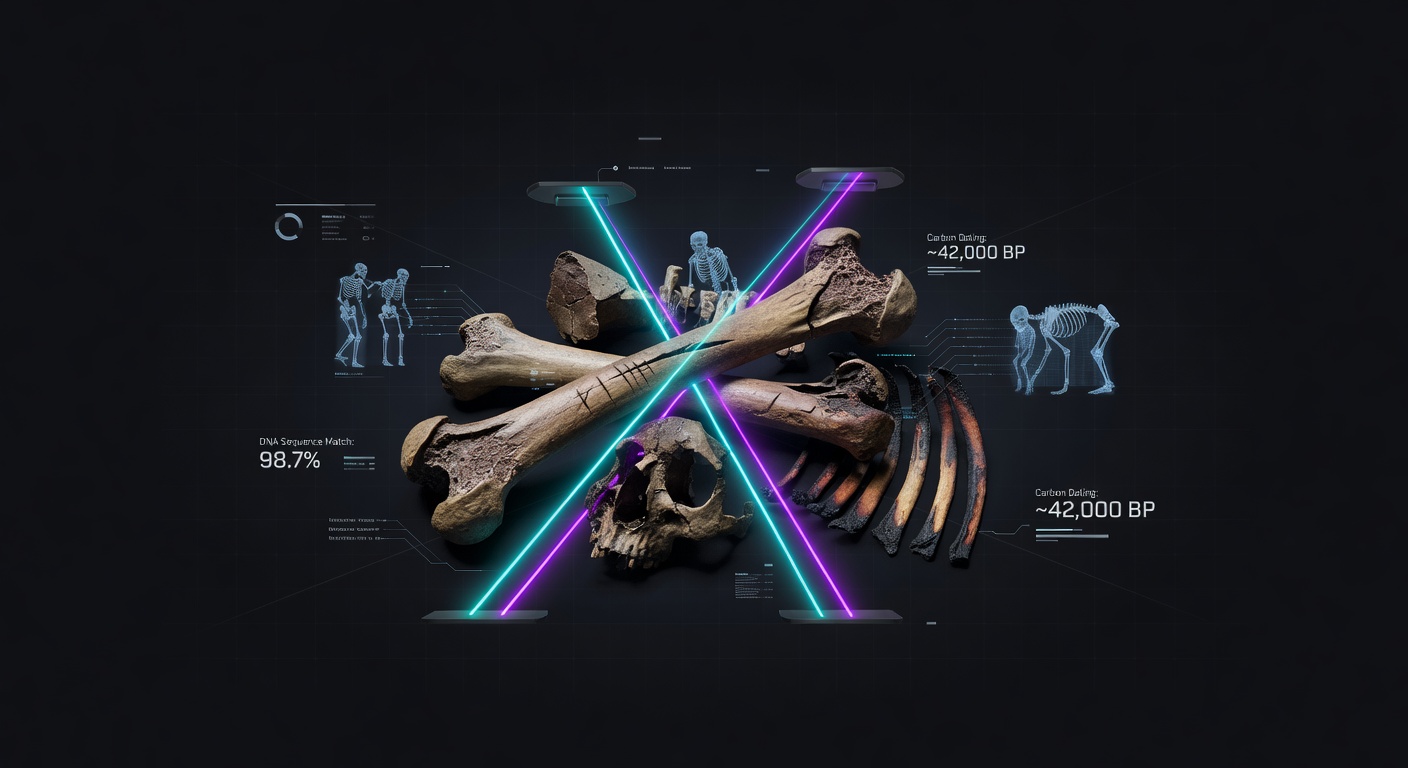
Scientists have uncovered chilling evidence that Neanderthals may have hunted and consumed members from rival groups over 40,000 years ago. Using cutting-edge DNA analysis and bone studies, researchers are painting a picture of prehistoric life that's far more complex—and sometimes brutal—than we imagined.
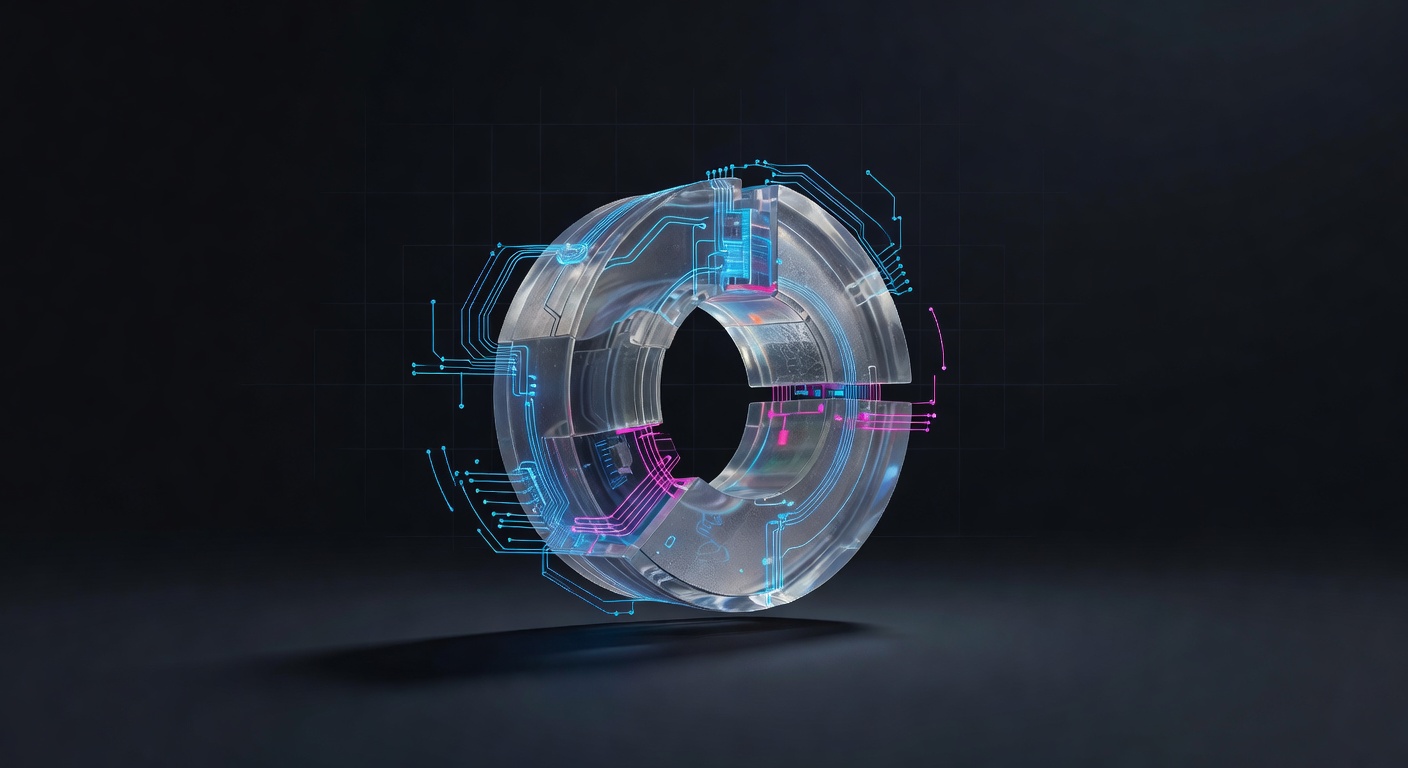
What if I told you that the secret to super-efficient electric motors might actually be... glass? Researchers have discovered that metallic glass could revolutionize motor technology and eliminate the energy waste that's plagued engineers for centuries. And the best part? We can 3D print them.
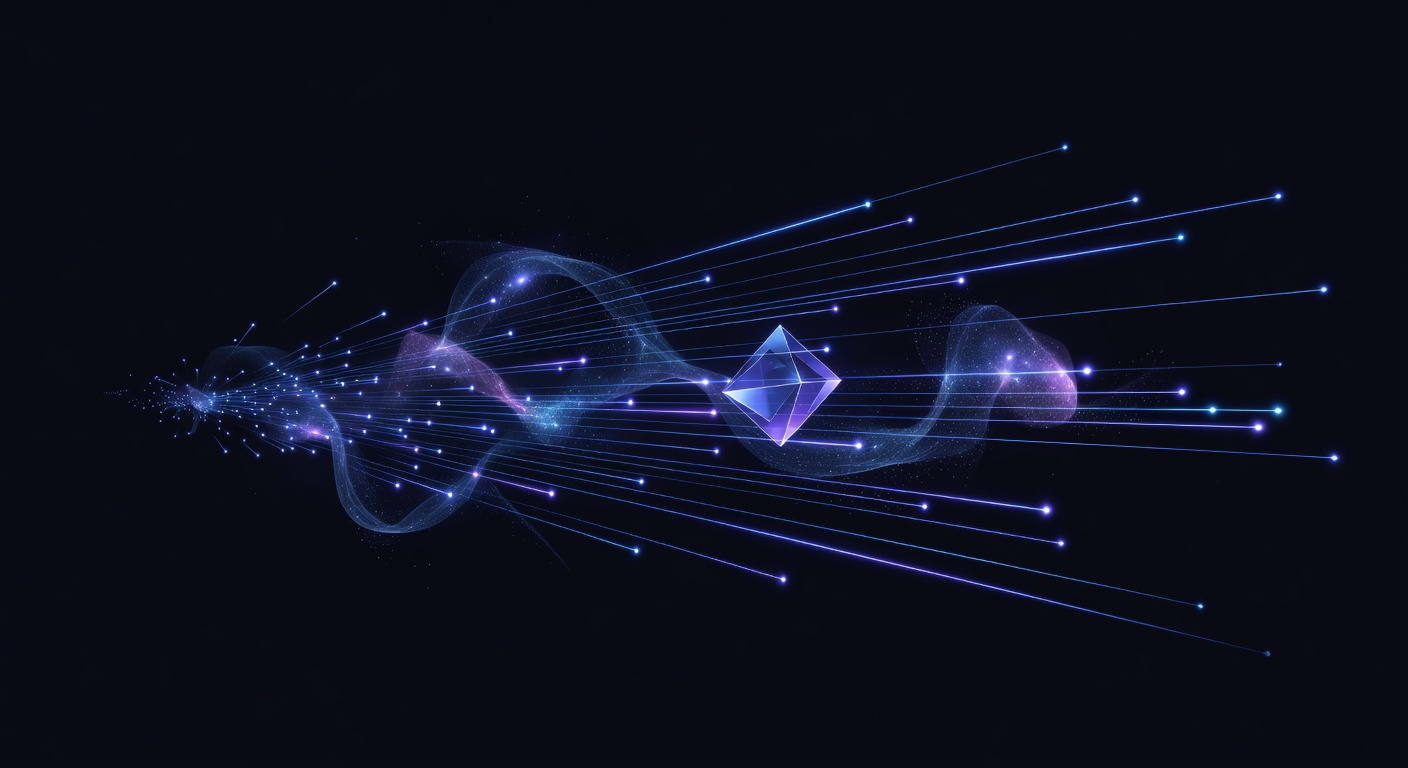
Tiny neutrinos zip through your body trillions of times per second, yet they might be the most important architects of the cosmos. Scientists just got their clearest look yet at how these elusive particles actually shape galaxies—but nature keeps throwing curveballs.
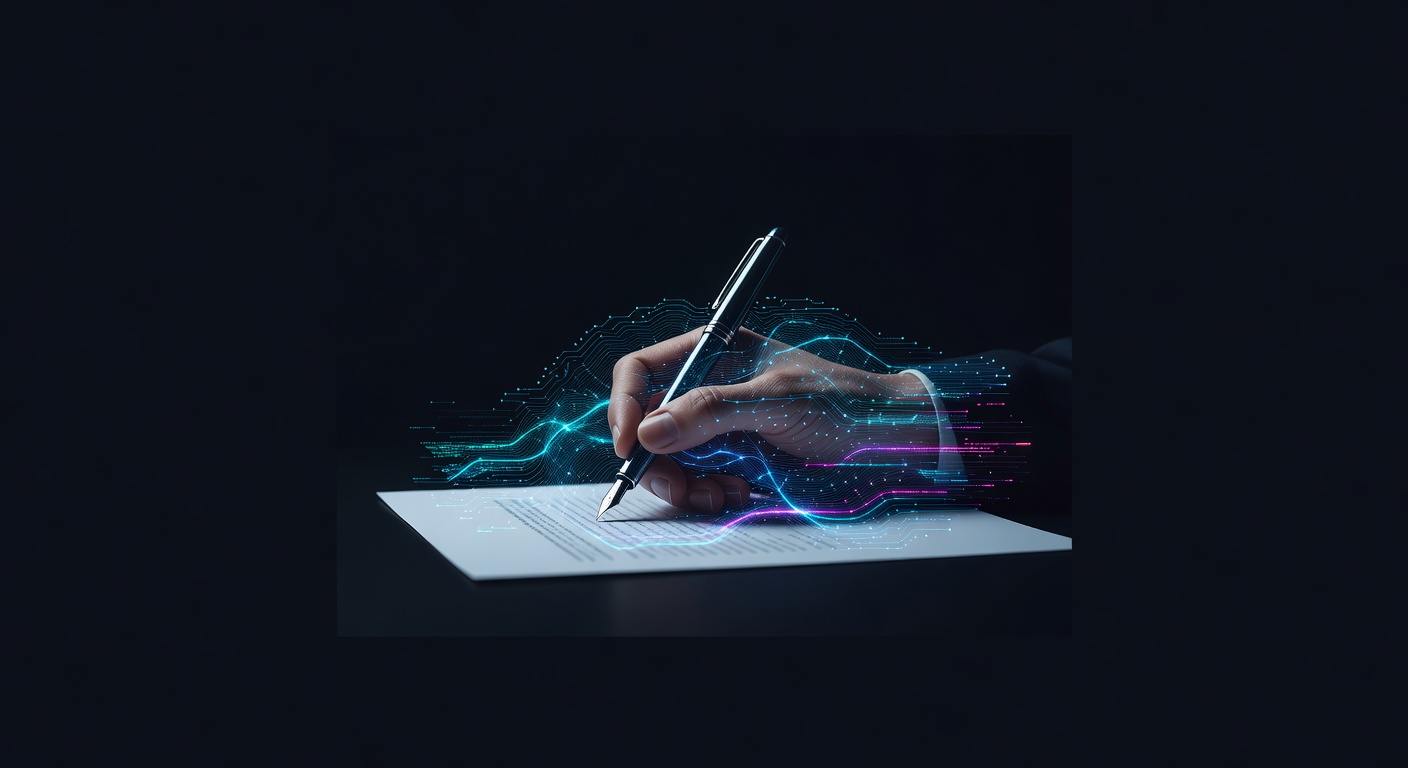
AI writing tools are quietly becoming the newsroom's favorite shortcut, and I get it—they're fast, efficient, and pretty darn good. But here's the thing that keeps me up at night: what happens to storytelling when we let machines handle the bleeding?
Researchers just proved a wild theory from 1958 by doing something chemists thought was impossible—keeping an extremely unstable molecule stable in water. This breakthrough isn't just about settling an old scientific debate; it could transform how we make medicines and chemicals in ways that are safer for the planet.
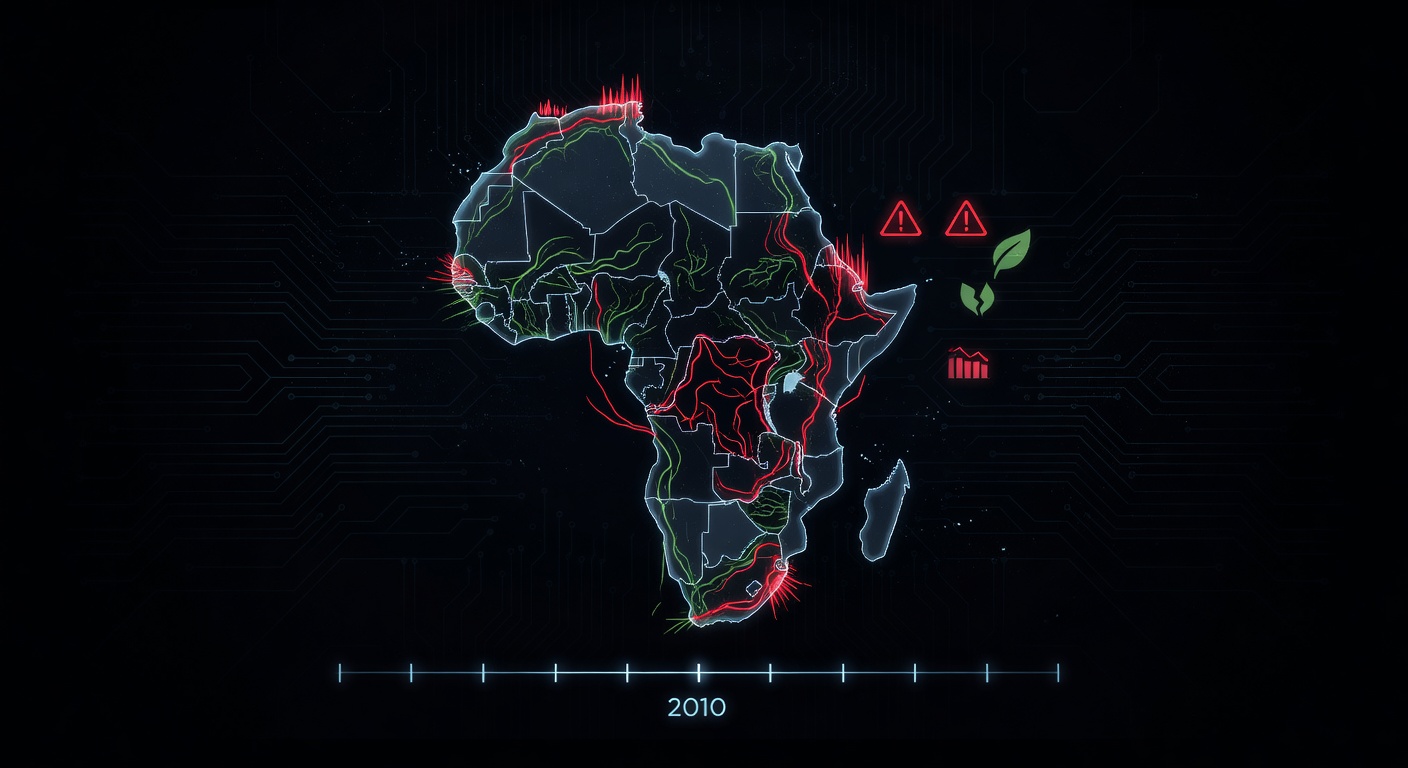
Africa's forests used to be the planet's carbon-fighting superheroes, but something shifted around 2010. Now they're actually releasing more carbon than they store—and scientists are sounding the alarm that this could derail our entire climate strategy.
A historian just uncovered evidence that one group in the Roman Empire wasn't conquered at all—they had their own independent army, made their own decisions, and basically ran things themselves while technically being "part of Rome." Turns out the empire wasn't quite as controlling as we thought.
Scientists just figured out how to fight gum disease without nuking all the bacteria in your mouth. Turns out, your oral microbiome is way more delicate than we thought, and killing everything isn't the answer. A new toothpaste changes the game by being selective about which bacteria it targets.
Scientists just ran some mind-bending math that suggests the universe might eventually tear itself to shreds. Before you panic and build a bunker, though, there's a lot of "ifs" involved—and honestly, this research raises some fascinating questions about how reality actually works at the deepest levels.
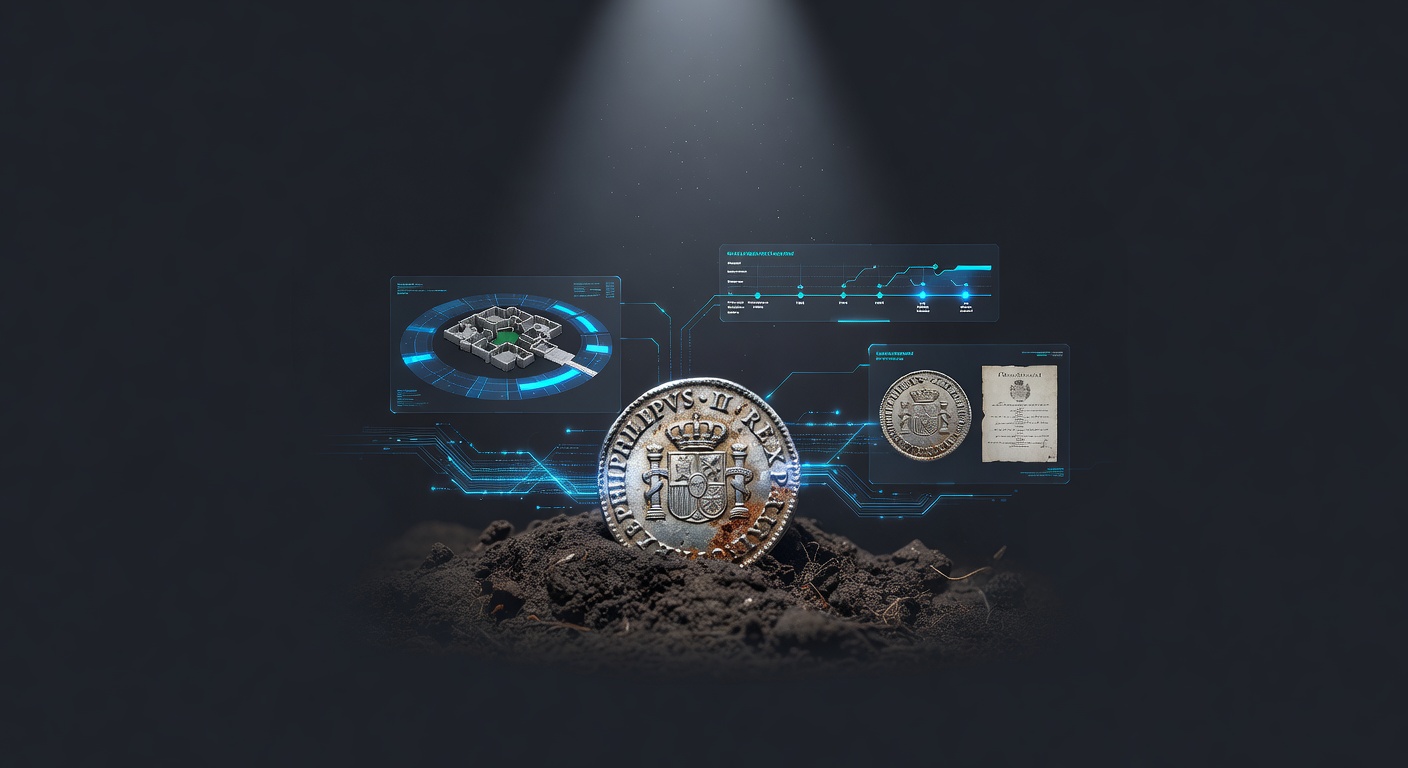
Archaeologists in Chile just uncovered a ceremonial coin that's been sitting in the same spot since 1584, and it perfectly matches historical records written centuries ago. This tiny silver disk is now helping researchers piece together the story of a doomed colony that was abandoned after just a few years of brutal conditions.
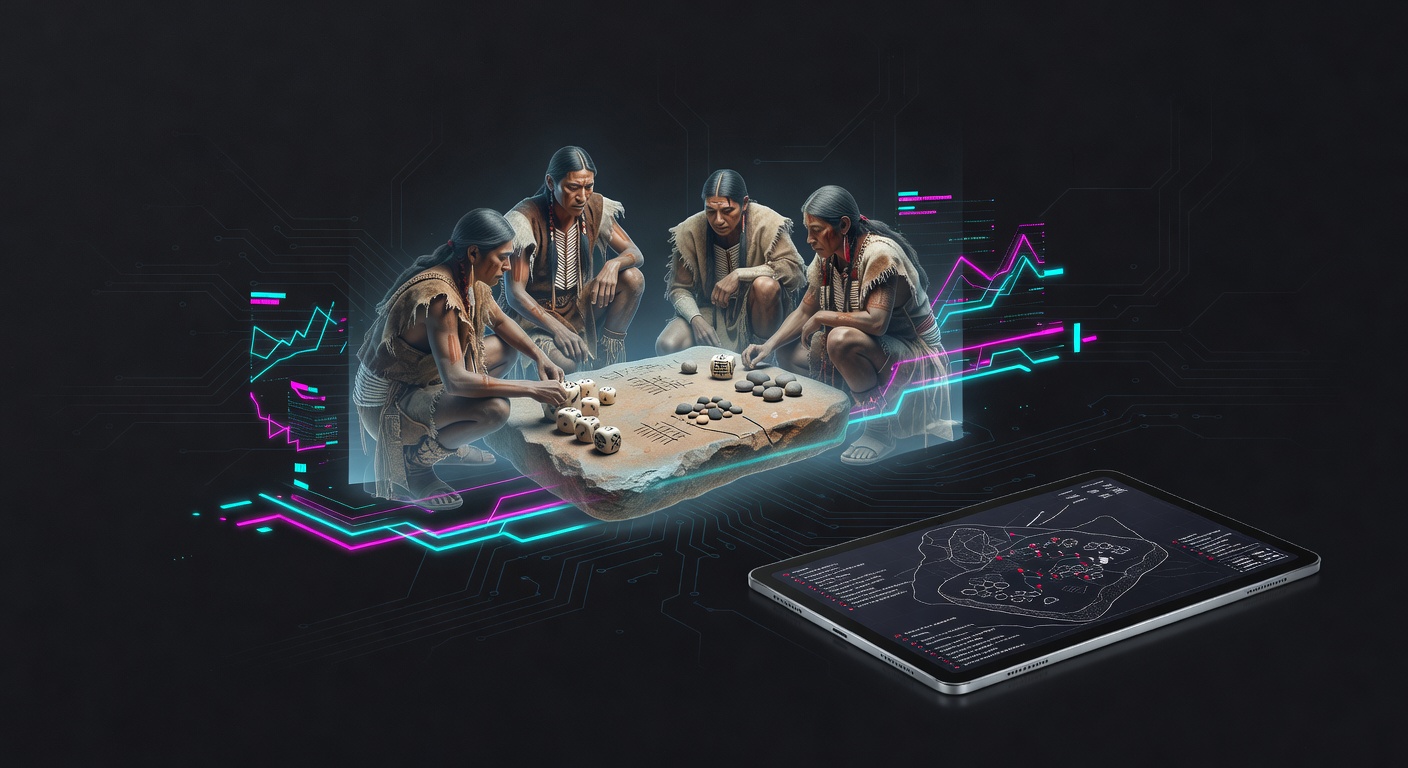
Archaeologists just rewrote the history books on when humans first started playing games of chance, and it turns out we were way earlier than anyone thought. A researcher discovered that Native Americans were rolling primitive dice in Ice Age times—thousands of years before Egypt supposedly "invented" gambling.