
Researchers have discovered that a protein called GRK2, when inactive, builds up in brain cells and creates a vicious cycle that worsens Alzheimer's disease. Even better? They found a compound that might break that cycle.
When 24-year-old George Bird looked at a lone standing stone in a Derbyshire forest, something didn't add up. He couldn't shake the feeling that there was more to the story—and his hunch led archaeologists to uncover a 3,700-year-old ritual site hiding right under everyone's noses.

Mount Rainier is quietly ticking like a time bomb, and here's the truly terrifying part — it doesn't even need to erupt to wipe out communities around Seattle. Scientists are scrambling to understand the deadly mudflows called lahars, and honestly? We should probably pay attention.
Scientists have discovered that a specific type of "memory surgery" can help adults overcome deep-seated fear of failure rooted in childhood criticism—and the key might surprise you. Here's what this means for anyone who's ever felt like they had to be perfect to be worthy.
New research reveals that rising atmospheric CO2 levels appear to be triggering measurable changes in human blood chemistry, and younger generations may be most affected by this slow-moving biological shift. The findings suggest we might be living through an unprecedented human experiment without even realizing it.
Imagine storing every photo, video, and file you've ever created in something smaller than a grain of salt. That's the promise of DNA data storage, and researchers just brought us one giant step closer to making it a reality with a device that uses 100 times less power than what we're using today.
Scientists have uncovered a troubling pattern linking sodium nitrite — yes, the same chemical used to preserve bacon and deli meats — to a spike in suicide deaths among young people in the UK. A new study reveals that this commonly available substance may be playing a bigger role in preventable deaths than anyone realized.
Scientists may have just cracked one of history's most intriguing puzzles about Easter Island's mysterious script, and honestly, the findings are way cooler than I expected.
Scientists have developed a revolutionary gel that could rebuild tooth enamel using the same proteins our bodies use to build teeth in the first place. This could mean goodbye to cavities and fillings, and hello to a future where our teeth heal themselves. Pretty wild, right?
Scientists at a particle collider just found clues that the tiny particles holding your atoms together are far stranger than anything in your textbooks. Their discovery suggests that the "glue" holding protons together might actually be carrying one of matter's most fundamental properties — and if they're right, physics textbooks need a rewrite.
Scientists just discovered that everything from marine worms to earthworms can digest nature's original plastic—and this finding completely rewrites what we thought we knew about how carbon moves through ecosystems. It's one of those discoveries that makes you wonder what else we've been missing about the natural world.
MIT researchers have discovered something that might change how we think about the relationship between language and thinking: your brain can solve complex logical problems even when its language centers are completely offline. This finding challenges thousands of years of philosophical debate about whether we need words to think.
A beloved evolutionary theory explaining why ants, bees, and wasps evolved into highly social colonies may need to be dramatically revised. New research analyzing nearly 69,000 insect species suggests the genetic system once blamed for driving eusociality isn't actually the culprit after all.
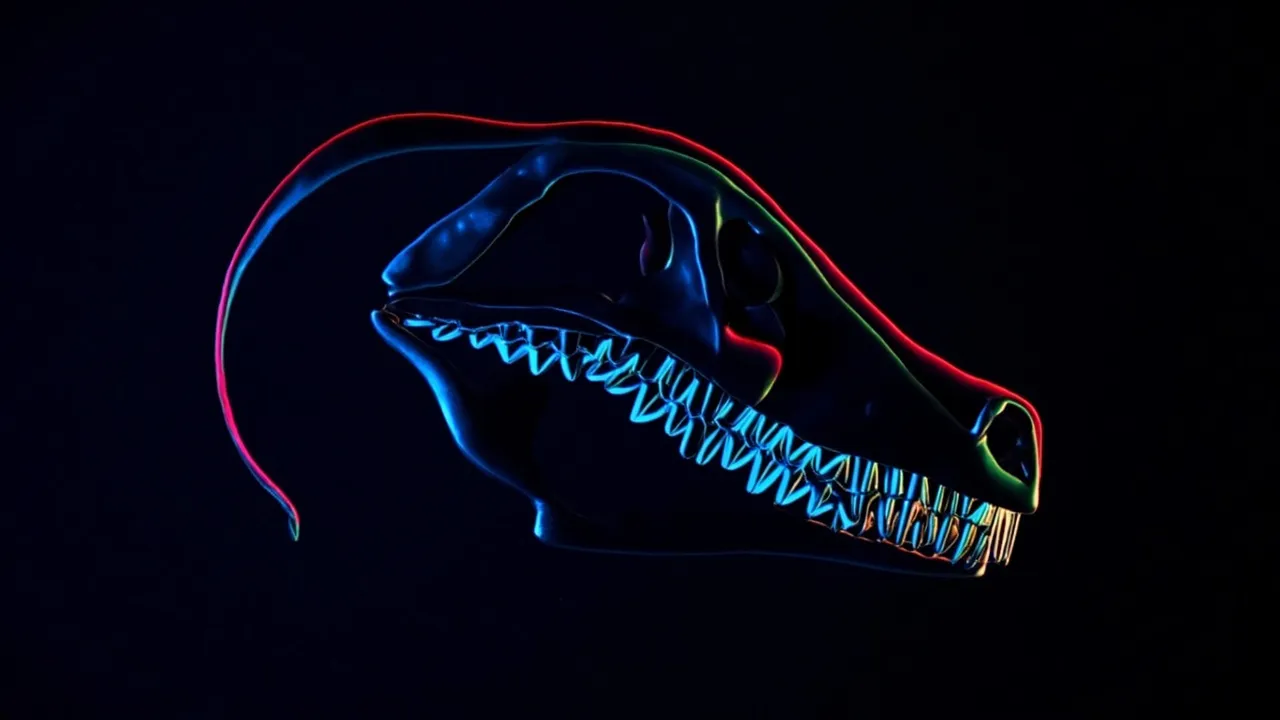
Sometimes the most exciting discoveries aren't buried deep in the earth—they're sitting right under our noses in museum storage rooms. Researchers in Japan recently reopened a dusty old mosasaur fossil and found bones that had gone unnoticed for three decades, including one that has never been seen before in Japanese specimens. And here's the really wild part: the creature's skull features don't match anything scientists have documented before.
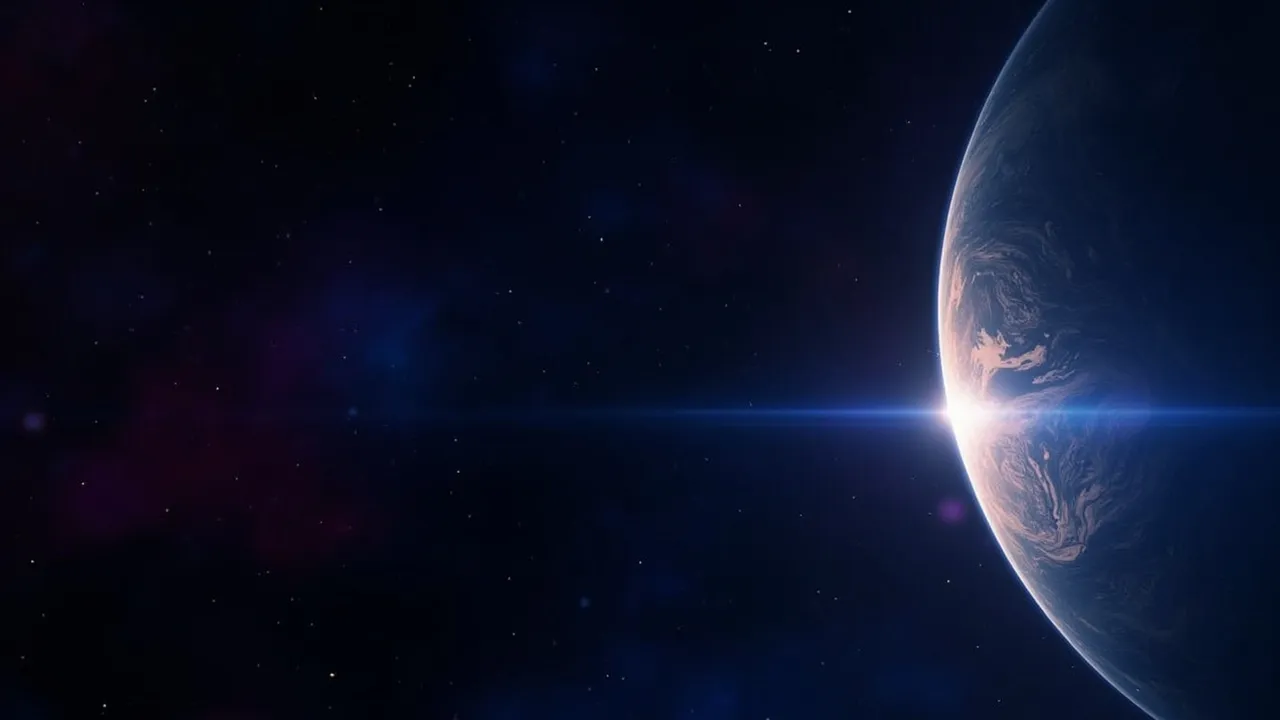
When NASA's powerful James Webb Space Telescope pointed at Neptune, it found something that made scientists do a double-take: clay minerals on moons that shouldn't have them. Now researchers think they've uncovered evidence of a catastrophic cosmic collision that completely reshaped Neptune's moon system billions of years ago.
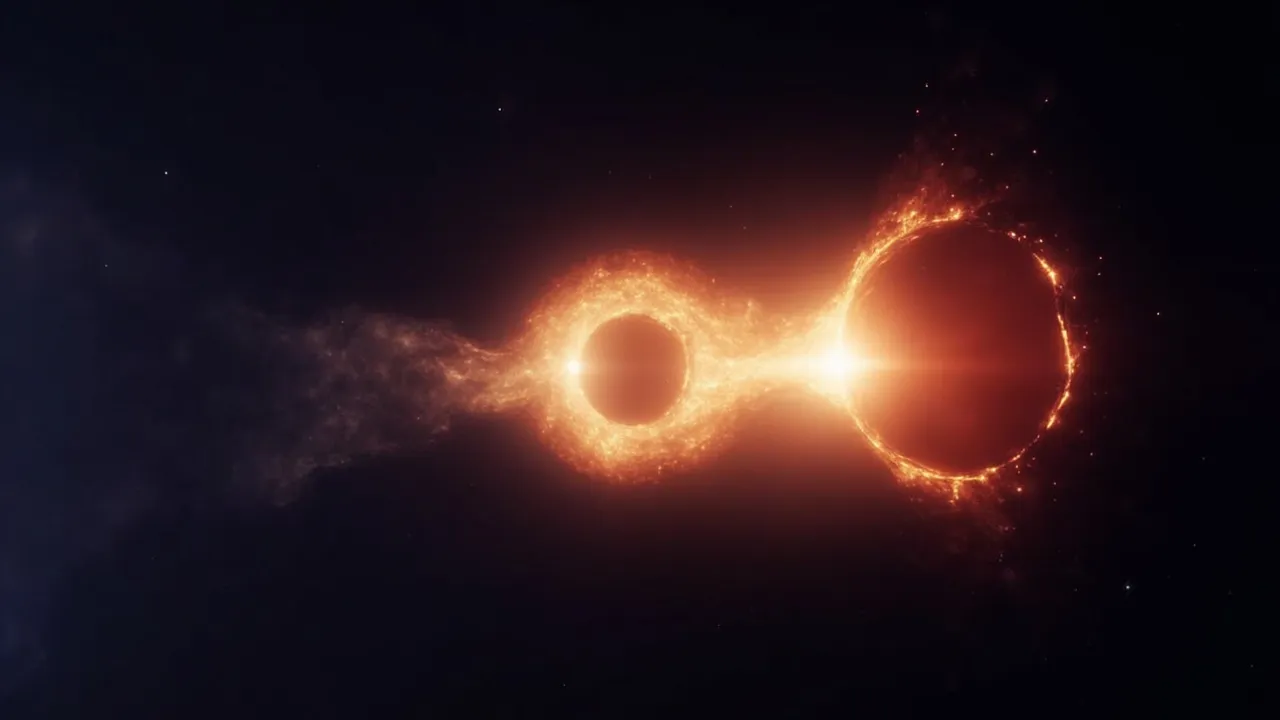
Scientists witnessed one of the most violent events in the universe — a black hole shredding a massive star — and were stunned when something appeared to survive the cosmic catastrophe. The energy released was so staggering it makes our Sun look like a flickering candle.
Scientists have discovered why we keep gravitating toward the same choices, even when better options are right in front of us — and spoiler alert, it's not because we've carefully analyzed all the alternatives. Turns out, our brains are basically creatures of habit in ways we're only now starting to understand.
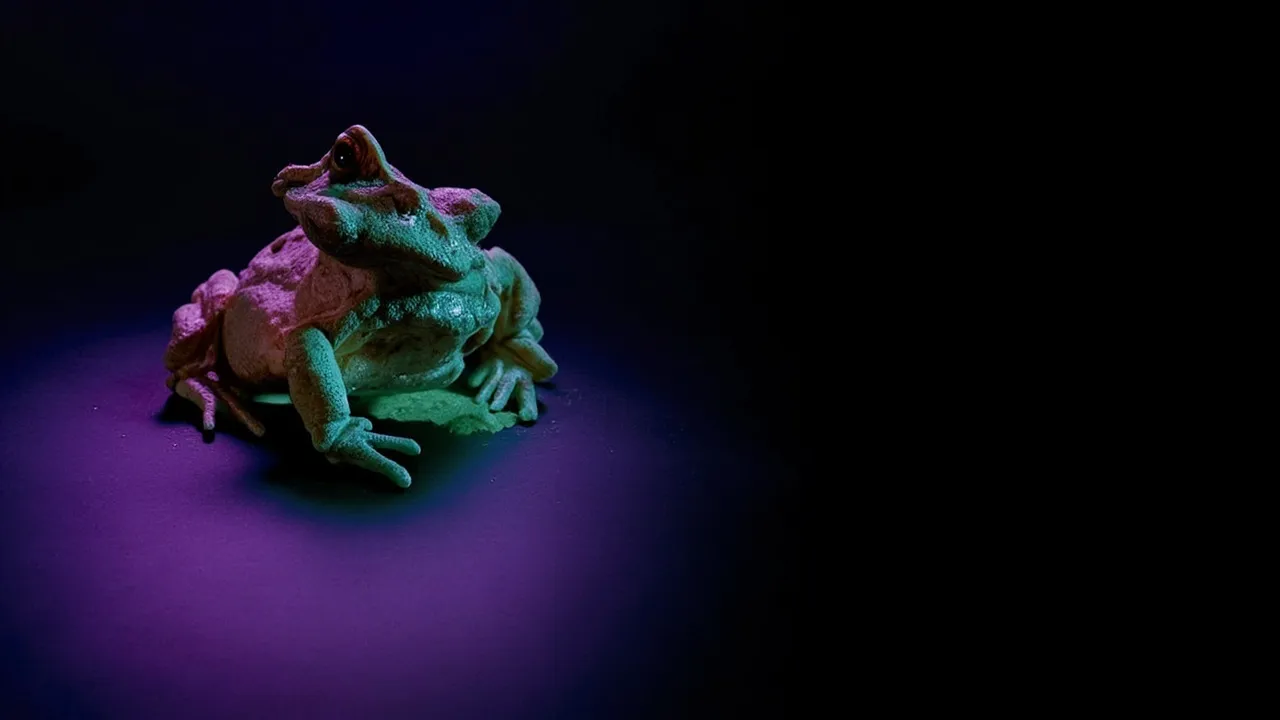
Scientists have uncovered a previously unknown species of spadefoot toad hiding in plain sight at one of the world's most famous fossil sites. And here's the kicker: the fossils had been sitting in museum collections since the 1950s, just waiting for someone to take a second look.
Scientists have spotted something they never expected to see — a rare type of particle decay that showed up way more often than it should have. Now they're trying to figure out if they've discovered something genuinely new about how the universe works, or if they're just looking at measurement hiccups.
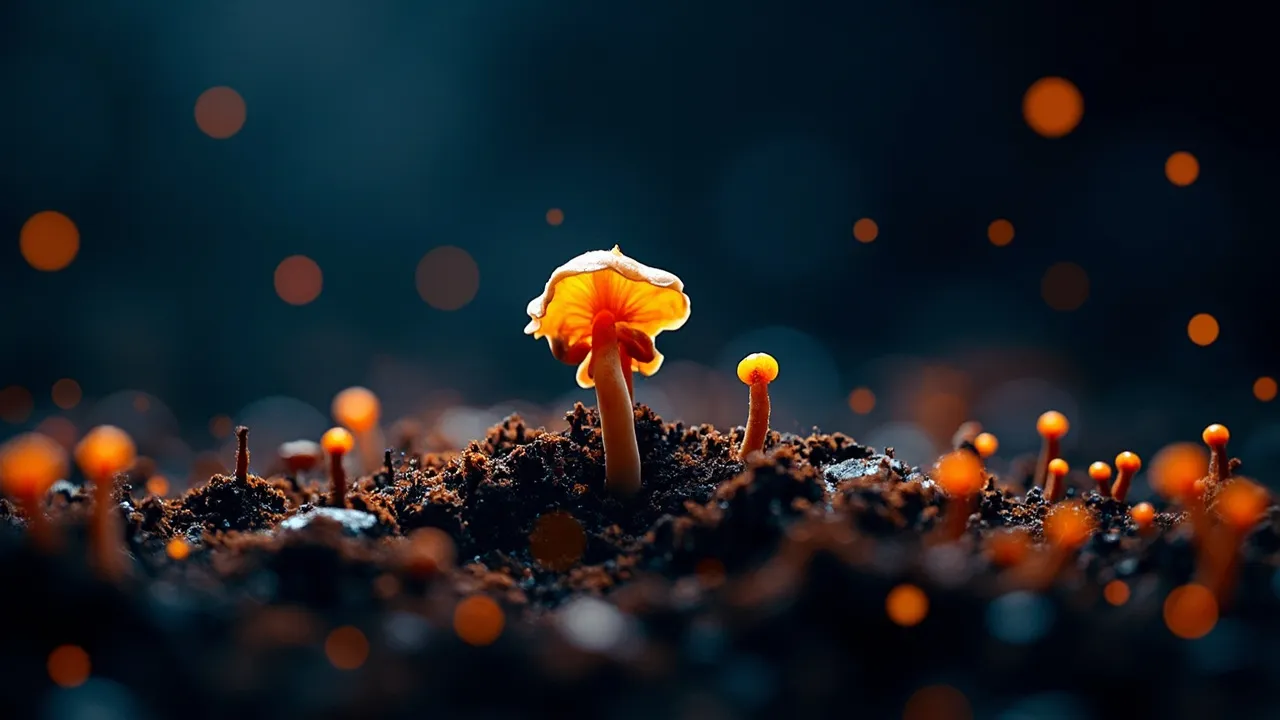
Scientists have discovered that there's an incomprehensible amount of fungal networks stretching through our planet's soil—enough to wrap around the universe's distance to Pluto nearly 200,000 times. And here's where it gets really wild: some researchers think these networks might actually be conscious.