

A fascinating new study just turned everything we thought we knew about sugar-free diets upside down. Turns out, that "no sugar, no problem" thinking might be way too simplistic — and scientists are warning that completely eliminating sugar could be doing more harm than good.
Think your immune system is purely modern? Think again. New research reveals that genes from our long-extinct cousins, the Denisovans, are still humming away inside millions of people today—particularly those with roots in Oceania—helping us fight off infections just like they did 45,000 years ago.

For decades, we've been told a beautiful story about how wolves returned to Yellowstone and transformed the entire ecosystem. But new research suggests that story might be more fiction than science—and the truth is actually more interesting.
Scientists have discovered fascinating evidence that parrots might do more than just mimic human speech—they could be using names to identify specific people, much like we do. Before you start thinking your bird is secretly plotting something, let me walk you through what researchers actually found.
Scientists have long been puzzled by black holes—those cosmic objects so dense that everything, including light, gets trapped forever. But a wild new theory suggests collapsing stars might do something even more bizarre: create entirely new universes inside themselves, each filled with its own dark energy and expanding from its own little "Big Bang."
Researchers have finally uncovered the genetic culprit behind a mysterious movement disorder that doctors have struggled to diagnose for years. The discovery not only brings answers to affected families but also reveals a surprising new role for a gene we thought we already understood.

Scientists at Kyoto University have discovered that learning to play a musical instrument later in life can actually protect your brain from age-related memory decline. In a four-year study, people who kept playing showed significantly less shrinkage in key brain regions compared to those who quit. Here's what this means for you or your loved ones.
A fascinating new study reveals that our brains can keep getting sharper well into our 80s and 90s, challenging everything we thought we knew about aging and mental decline. And get this — the people who improved the most weren't the young ones.

Researchers have developed an experimental vaccine that dramatically lowers the amount of fentanyl reaching the brain, potentially preventing overdoses before they even start. The approach is clever in a way that might just outsmart drug manufacturers for once.

Remember that panic a few months ago when some astronomers suggested our understanding of the universe's expansion might be completely wrong? Well, breathe easy — it turns out we didn't mess up after all. A new study has confirmed that yes, the universe is still accelerating in its expansion, and no, we don't need to throw out decades of cosmological research.
Mental health struggles among teenagers have reached alarming levels, but one child psychologist believes there's an often-overlooked resource that could make a real difference: grandparents. The reasons might surprise you.
Astronomers have discovered something fascinating about distant worlds - the faster a planet spins, the less massive it tends to be. This isn't just a random cosmic fact; it might be the key to understanding how planets are born in the first place. And honestly? The answer involves something you might not expect: magnetism.
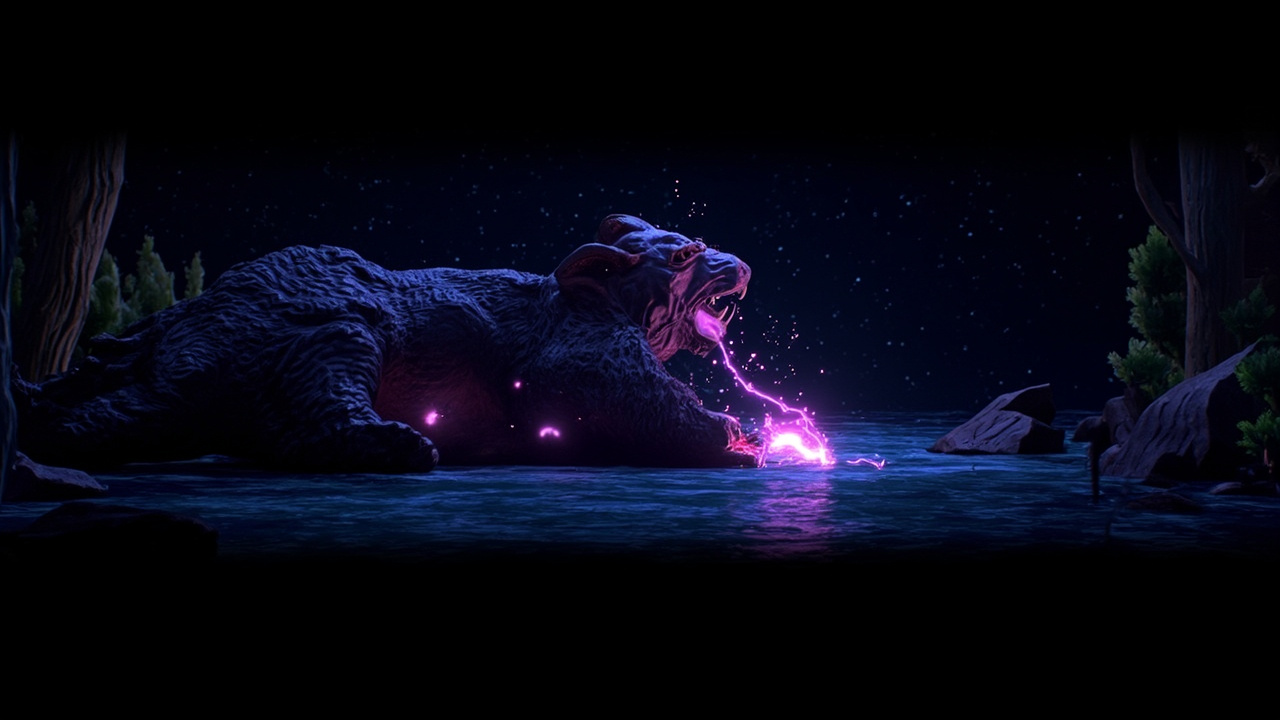
Imagine you're Lucy, taking a drink by a river in Ethiopia three million years ago. You might not be alone. Scientists just discovered that our ancient ancestor shared her landscape with a massive crocodile that has now been officially named "Lucy's hunter" — and honestly, the name is terrifyingly appropriate.
What if you could reboot your eyes the same way you restart a frozen computer? That might sound like science fiction, but researchers at MIT have found something remarkable: temporarily shutting down a damaged eye can actually restore its function. Meanwhile, another team has developed a tiny chip that's giving blind patients their central vision back. These aren't incremental improvements — they're paradigm shifts.
After years of dragging out the old gas mower every weekend, I decided to put one of those fancy robot lawn mowers to the test. The results surprised me — not just in how well it works, but in how much it genuinely improved my lazy Saturday mornings.
Scientists are developing groundbreaking new treatments that could actually regrow hair by waking up dormant stem cells, not just slowing loss. From AI-designed injectables to lactate-boosting topical gels, the baldness battle is entering a whole new era.
In the late 1400s, while men brandished swords on battlefields, an underground network of women in Flanders was running one of history's most sophisticated spy operations—and getting paid for it too.
When Malaysia Airlines Flight MH370 disappeared in 2014, it seemed like the mystery would never be solved. But now, scientists are turning to an unexpected ally — barnacles. These humble sea creatures might hold clues that could finally tell us what happened to the missing plane and the 239 people aboard.
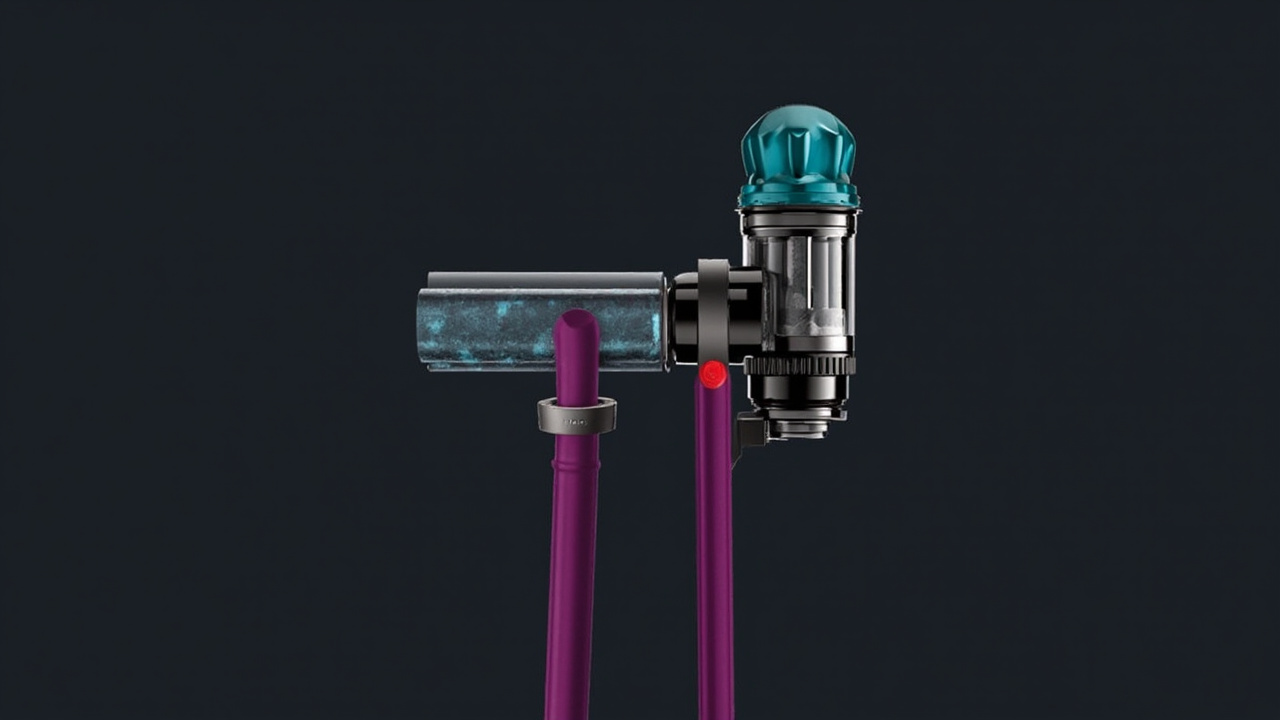
After years of watching my dusty old vacuum slowly fall apart—held together by hope, duct tape, and sheer stubbornness—I finally took the plunge and upgraded. What happened next made me wonder why I waited so long.
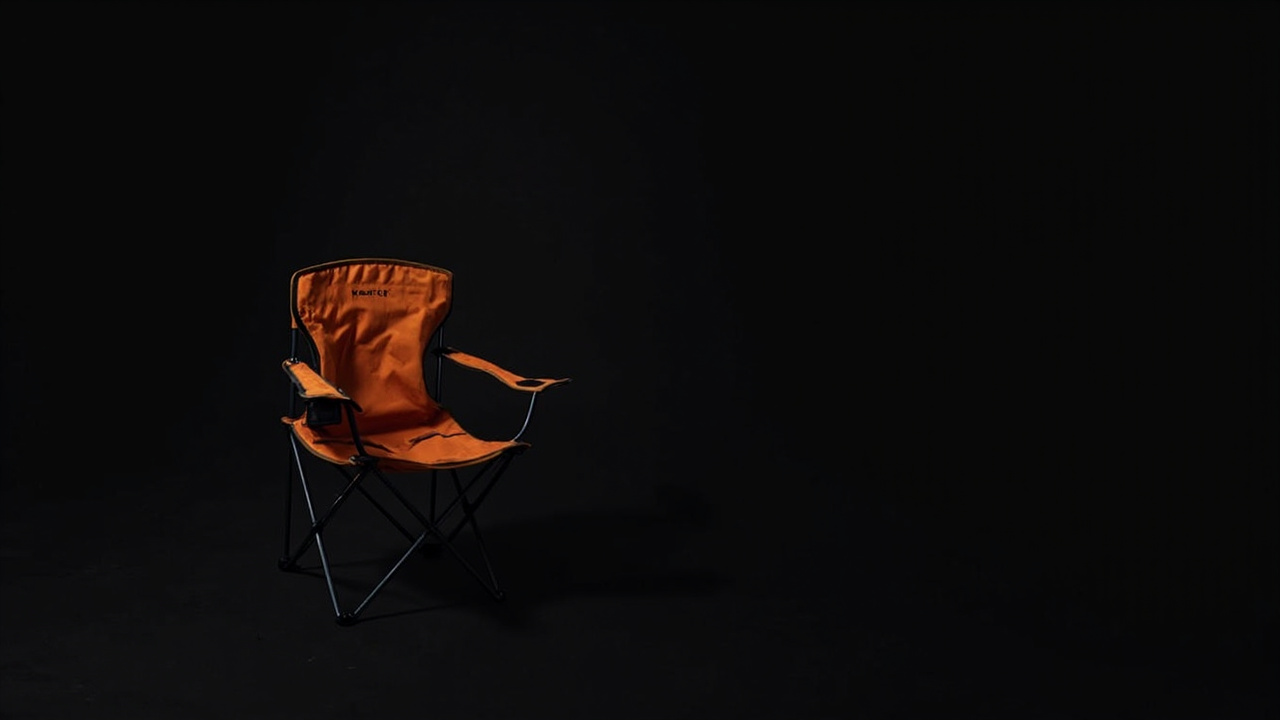
After years of wrestling with flimsy camp chairs that tip over at the slightest breeze, I tried the Kelty Rad-Arondack—a sturdy camping seat inspired by the classic Adirondack chair. Here's what happened when I put this beast of a chair to the test, and why it might just change how you think about outdoor seating.