

Scientists have discovered that Alaska's glaciers respond to rising temperatures far more dramatically than we ever realized. Every single degree of warming extends the melting season by roughly three weeks, and new satellite radar technology is revealing just how vulnerable these icy giants really are.

LEGO has unveiled its first-ever Smart Play Pokémon sets, and after the jaw-dropping $650 Kanto Starters release, these new additions come with a much friendlier price range. The new wave brings interactive battles, fan-favorite characters, and even some Gen 9 newcomers to the mix.
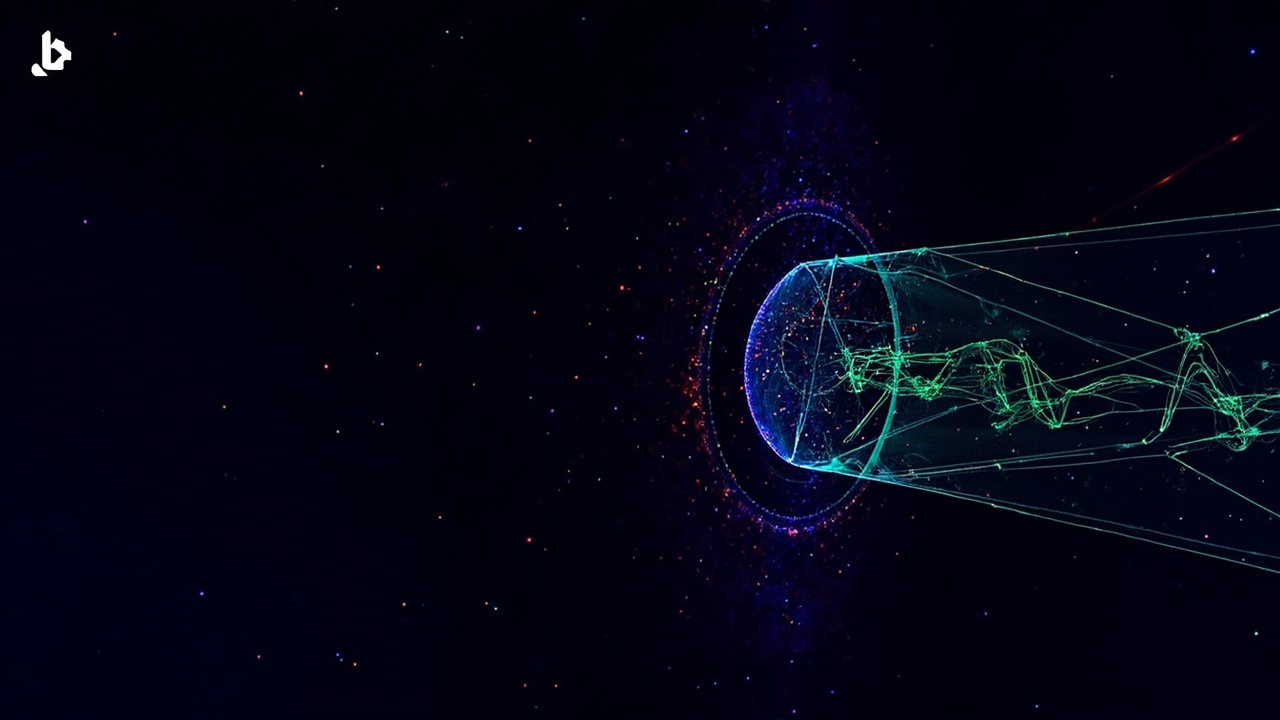
Scientists have just unveiled the first major results from JUNO, a massive neutrino detector buried 700 meters underground in China. And let me tell you, what they're finding is pretty incredible — it could help us understand some of the most fundamental questions about how our universe works.

Scientists at King's College London have discovered something pretty unexpected: going on a short-term calorie-restricted diet might actually reduce inflammation in your gums. Before you skip breakfast, though, let me break down what this actually means for you.
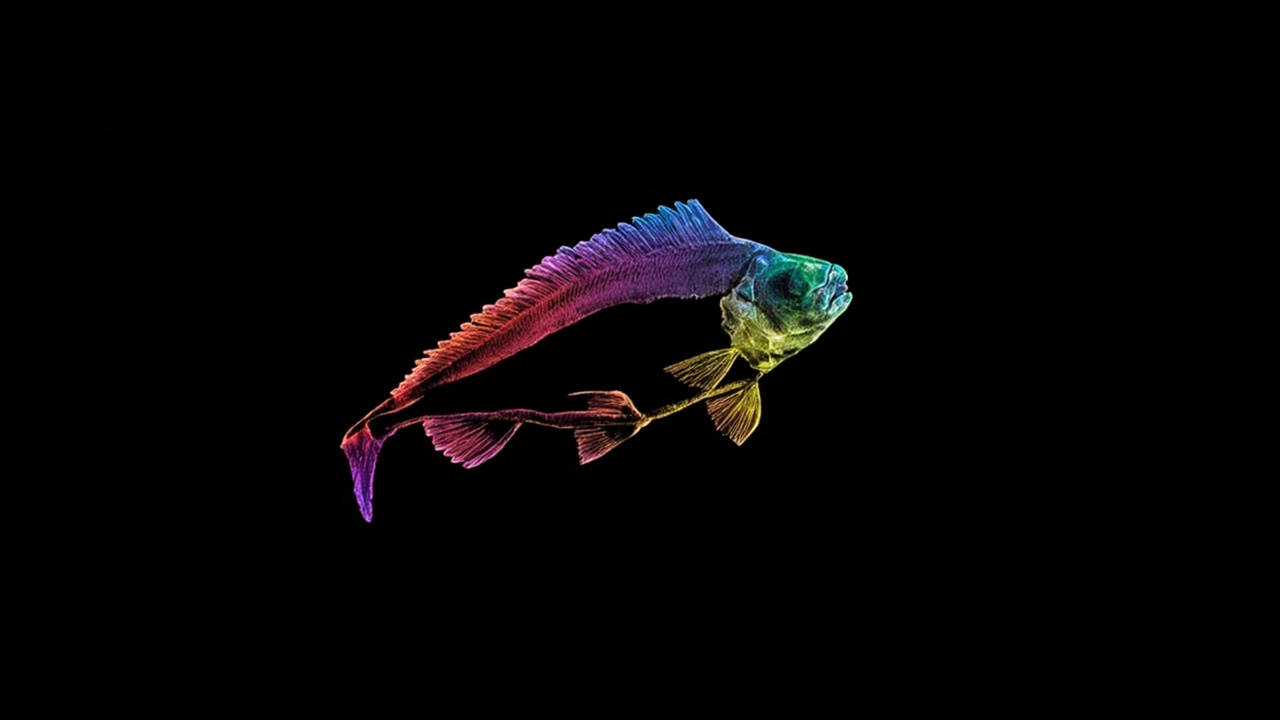
Imagine spending years trying to solve a puzzle, only to realize the missing piece was sitting in someone's attic all along. That's exactly what happened to researchers in New Zealand when field notebooks from a late paleontologist surfaced just in time to help identify an extraordinary fossil fish.

Researchers at RIKEN have found a way to make quantum systems synchronize in one direction only—like a quantum one-way street—and remarkably, this works even when the hardware isn't perfect. This could be a game-changer for building practical quantum computers that actually work in the real world.
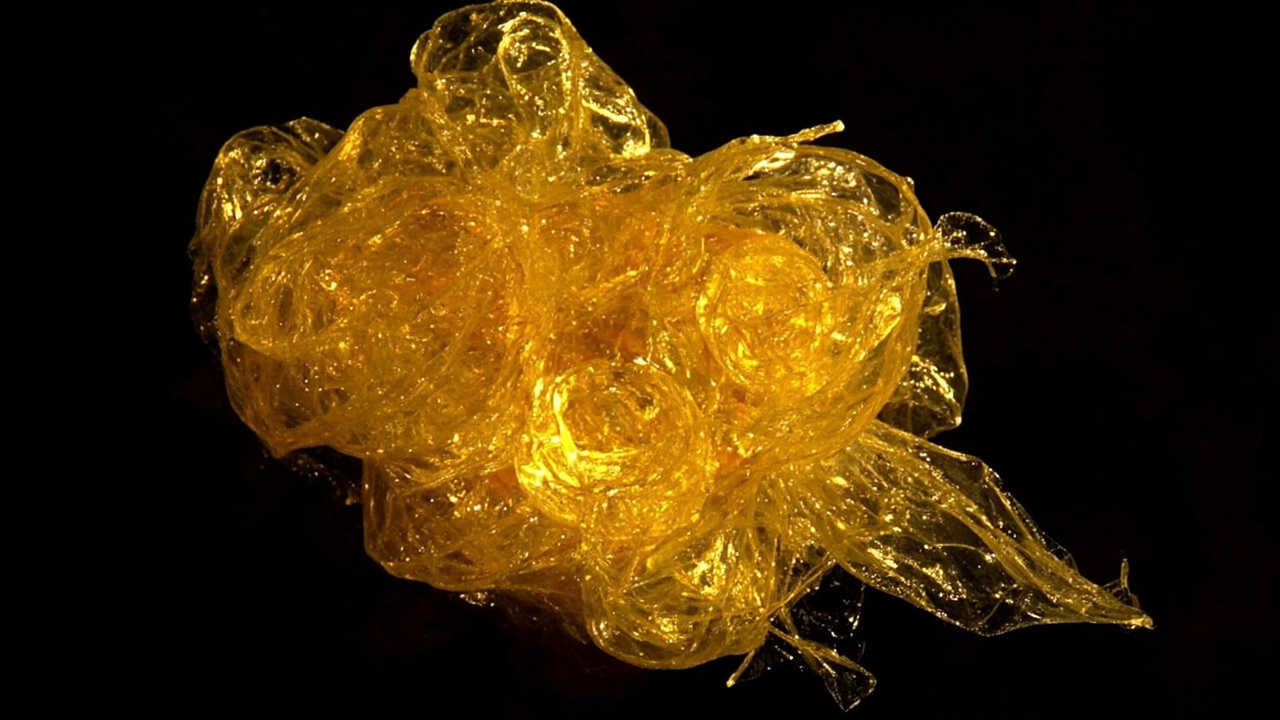
For 2,000 years, a shimmering golden fabric made from sea creatures was the ultimate symbol of luxury, worn only by emperors and popes. Then it vanished. Now, South Korean researchers have not only recreated this legendary material but discovered the jaw-dropping reason it never fades — and the answer involves the same science that makes soap bubbles shimmer.
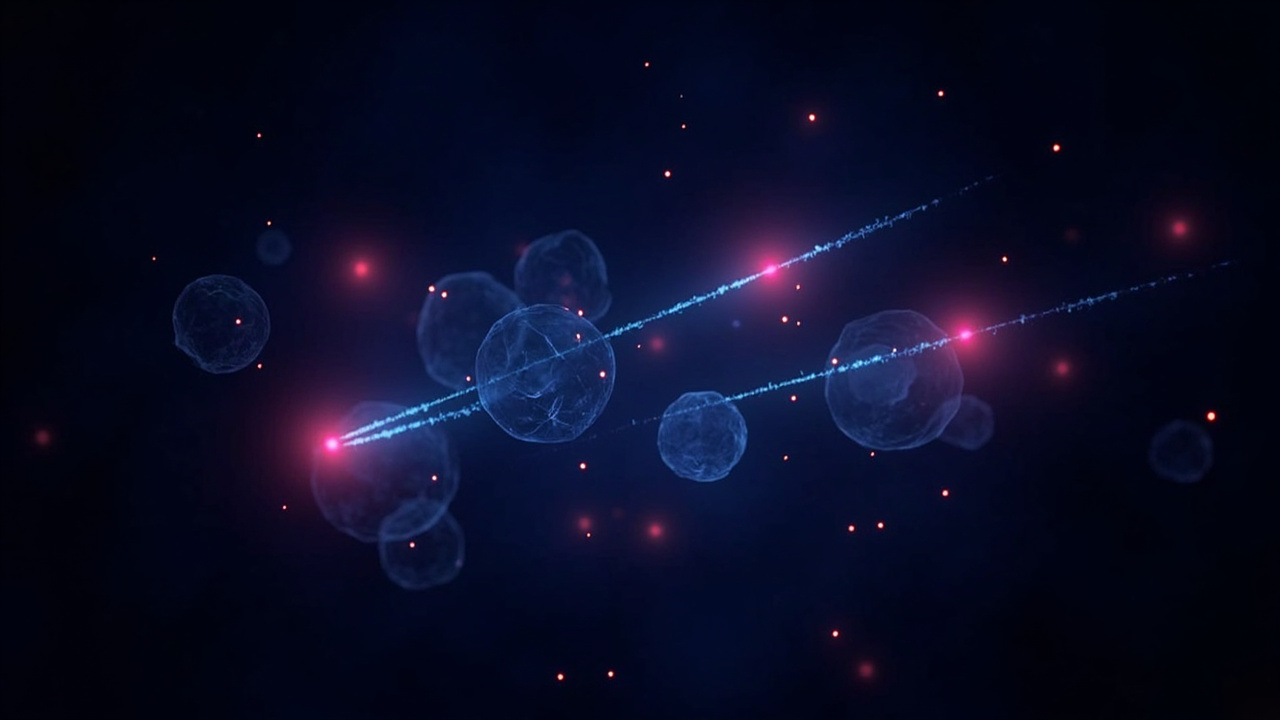
Researchers have discovered something totally unexpected: immune cells in the brains of Alzheimer's patients carry mutations typically associated with cancer. But here's the twist — this discovery might actually open doors to new treatments, because we already have drugs that target these kinds of mutations.
Scientists have created tiny filters with holes so small they can separate molecules with incredible precision—potentially changing how we treat wastewater and reduce industrial pollution. And honestly? This might be one of the most exciting clean water breakthroughs we've seen in years.
Scientists have discovered that a minuscule portion of our genetic code—less than 0.1% of the entire genome—may be responsible for humanity's remarkable ability to speak, read, and write. Even more fascinating? These genetic "switches" were already present in Neanderthals, suggesting language ability is far older than we ever imagined.

Scientists have created a brain-like computer chip that operates at temperatures colder than outer space, and it could solve one of quantum computing's biggest headaches. The secret ingredient? A material you might already have in your garage.
Stanford researchers have discovered a treatment that can regrow lost cartilage and potentially reverse arthritis by targeting a protein that increases with age. The approach has shown remarkable results in mice and even worked on human tissue samples, raising hopes for millions suffering from joint pain.

Researchers have figured out how to create tiny nuclear fireballs in a laboratory—and it's not because they've gone mad. These miniature recreations could help us predict exactly where deadly radioactive fallout will spread, potentially saving millions of lives.
Deep inside your brain, there's a whole army of star-shaped cells that have been hiding in plain sight, quietly pulling the strings on your emotions, decisions, and even your willingness to keep trying when things get tough. And honestly, what researchers are discovering about these tiny powerhouses might completely change how we think about who we are.
Scientists have long struggled to reconcile quantum physics with Einstein's theory of relativity, and a new study suggests the answer might be weirder than we imagined: time itself might only exist under certain conditions. A Brazilian physicist has proposed that time could gradually "wind down" as the universe expands and flattens out, which honestly makes my head hurt in the best possible way.

In 1957, Britain's secret plutonium factory nearly became the world's first nuclear catastrophe—and you probably never heard about it. The story involves Cold War espionage, a glowing red reactor core, and the most ironically important smoke filters ever installed.

Students on what was supposed to be a boring training dig stumbled onto a ninth-century mass grave just miles from Cambridge — and one of the bodies belonged to a man who would've been considered a literal giant in his time. But here's where it gets really weird: he had a hole drilled in his skull.
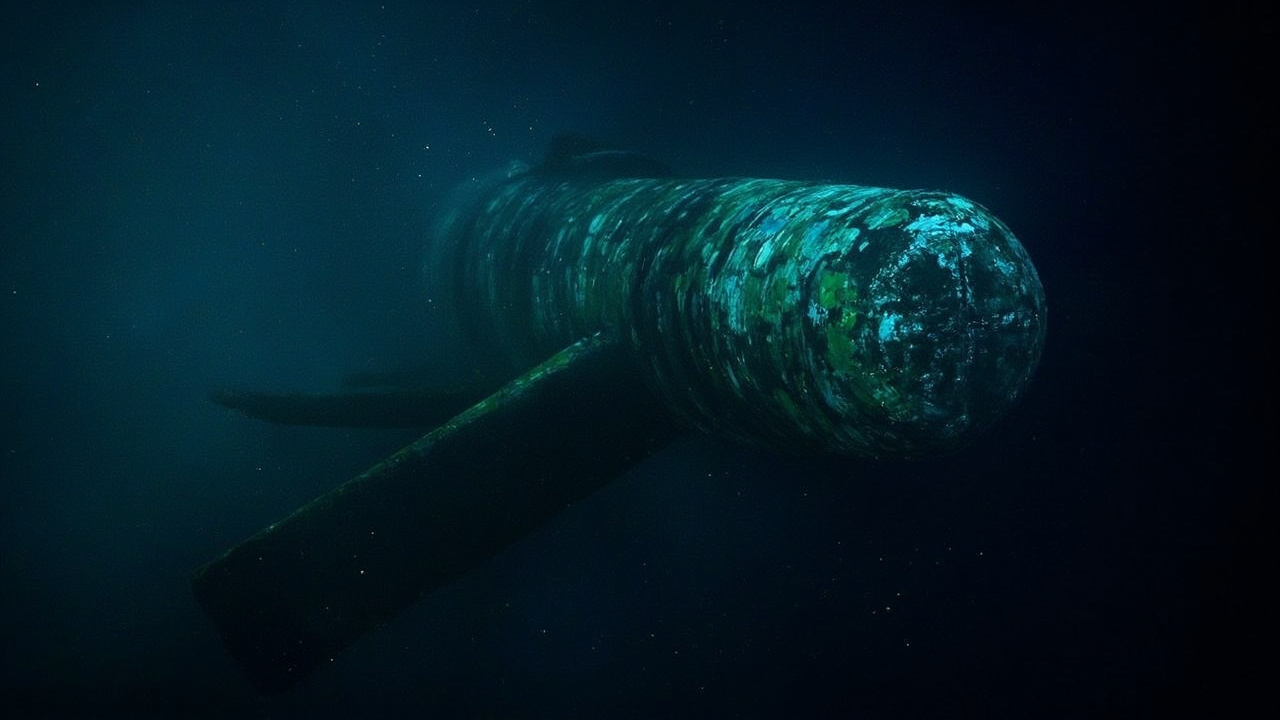
In 1991, divers exploring an unknown shipwreck off New Jersey stumbled upon something they never expected—a German U-boat from World War II. What followed was a years-long, deadly mission to uncover the submarine's identity, involving experimental gas mixtures, navigation by memory, and bodies still trapped inside.
A massive 30-year study just revealed something that might surprise you: there's a specific window of time for strength training that could help you live longer, and doing more doesn't necessarily mean living better. Scientists followed nearly 150,000 people and discovered that 90 to 120 minutes of weight training each week hits the sweet spot for reducing death risk from multiple causes.

You probably didn't think much about the grass when watching your favorite players score those incredible goals. But behind every perfect pitch at the 2026 World Cup is a team of turf wizards working round the clock. I talked to the folks maintaining a practice field for Team Ivory Coast, and honestly? These people are absolute perfectionists—and I mean that in the best way possible.