
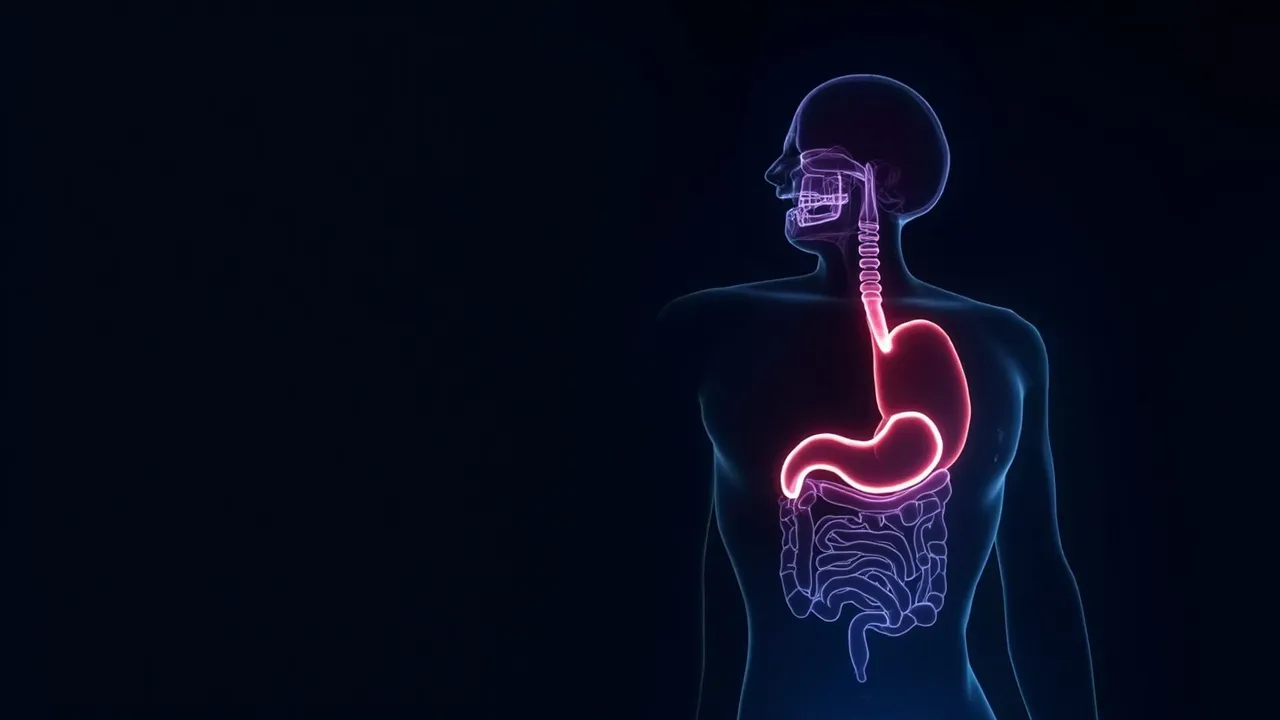
New research reveals that the connection between your gut and brain does more than just process food—it may actually help you remember where your meals came from. Scientists found that nutrient-rich foods trigger signals through the vagus nerve that boost memory formation, but there's a troubling catch: an unhealthy diet might gradually break this system down.

If you've been noticing tiny bumblebee bodies scattered across the pavement this summer, you're not imagining things—and there's actually a fascinating (if slightly macabre) explanation behind it. These little creatures are facing more challenges than most of us realize, and their appearance on our sidewalks tells a much bigger story about the health of our ecosystem.
In 2010, a British metal detectorist named Dave Crisp made the discovery of a lifetime—a massive pot containing 52,503 Roman coins buried deep in a Somerset field. What he found wasn't just treasure; it was a window into one of the most chaotic periods in Roman history, complete with rebel emperors, fractured empires, and a mystery that's still debated by archaeologists today.
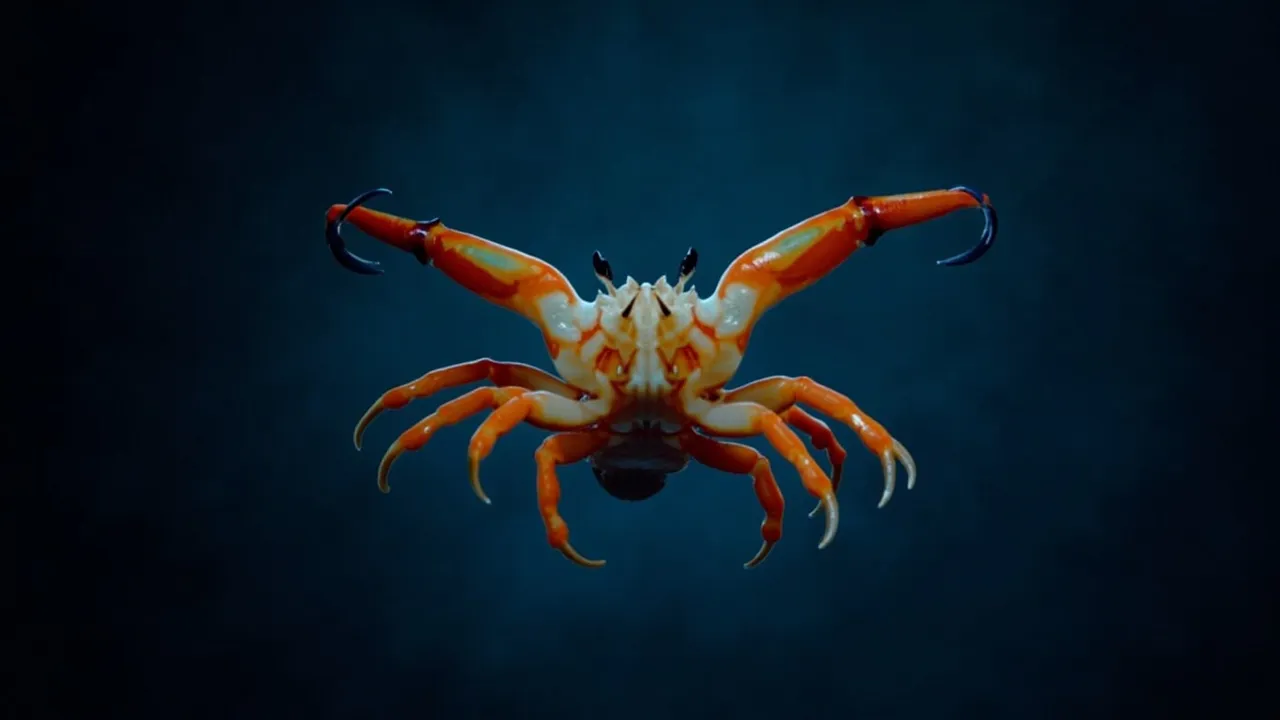
Scientists have discovered a tiny terror lurking nearly eight miles beneath the surface of the Pacific Ocean—and this little crustacean comes armed with spring-loaded claws built for violence. Dulcibella camanchaca, as it's been named, is rewriting what we thought we knew about life in the abyss.

Archaeologists just uncovered a jaw-dropping tomb in Egypt filled with 560 tiny figurines, and honestly? It makes me wonder what we'd leave behind for our own afterlife. These little statuettes weren't just decorations—they were meant to do all the hard work so the deceased could kick back and relax for eternity. And that's only the beginning of what makes this discovery absolutely wild.

Imagine watching the ground beneath the ocean split open like a wound, with molten rock oozing out at super-speed while everything around it stays eerily quiet. That's exactly what happened when researchers finally got the right eyes on the deep sea floor. Spoiler: it's way more dramatic than anything we've seen before.
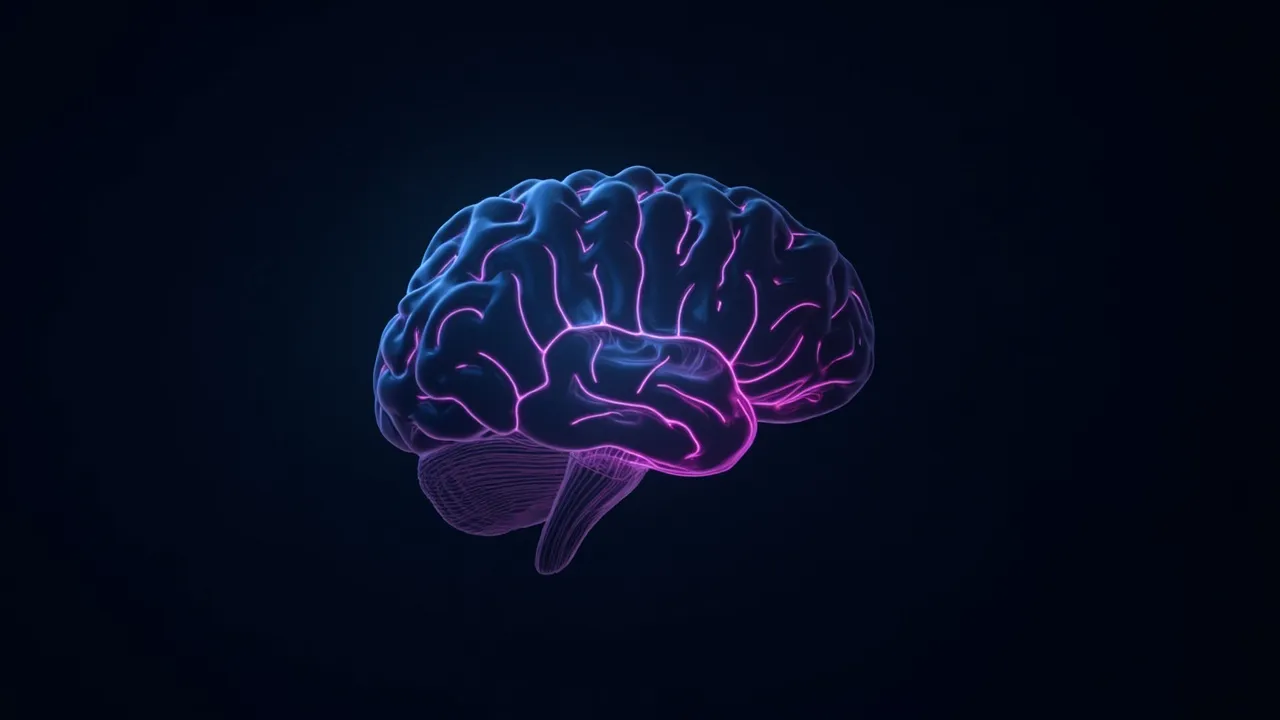
Scientists have long wondered what makes certain elderly people remember things as well as folks decades younger. A groundbreaking new study reveals something surprising: these memory marvels, called SuperAgers, don't just have "good genes" when it comes to Alzheimer's risk. So what's their secret? Researchers are now on a mission to find out.

Beneath the ocean floor near Japan, a legendary supervolcano is quietly refilling with fresh magma, and researchers have just caught it in the act. The discovery gives us an unprecedented look at how Earth's most powerful volcanic systems rebuild themselves after catastrophic eruptions — and what it means for other sleeping giants like Yellowstone.
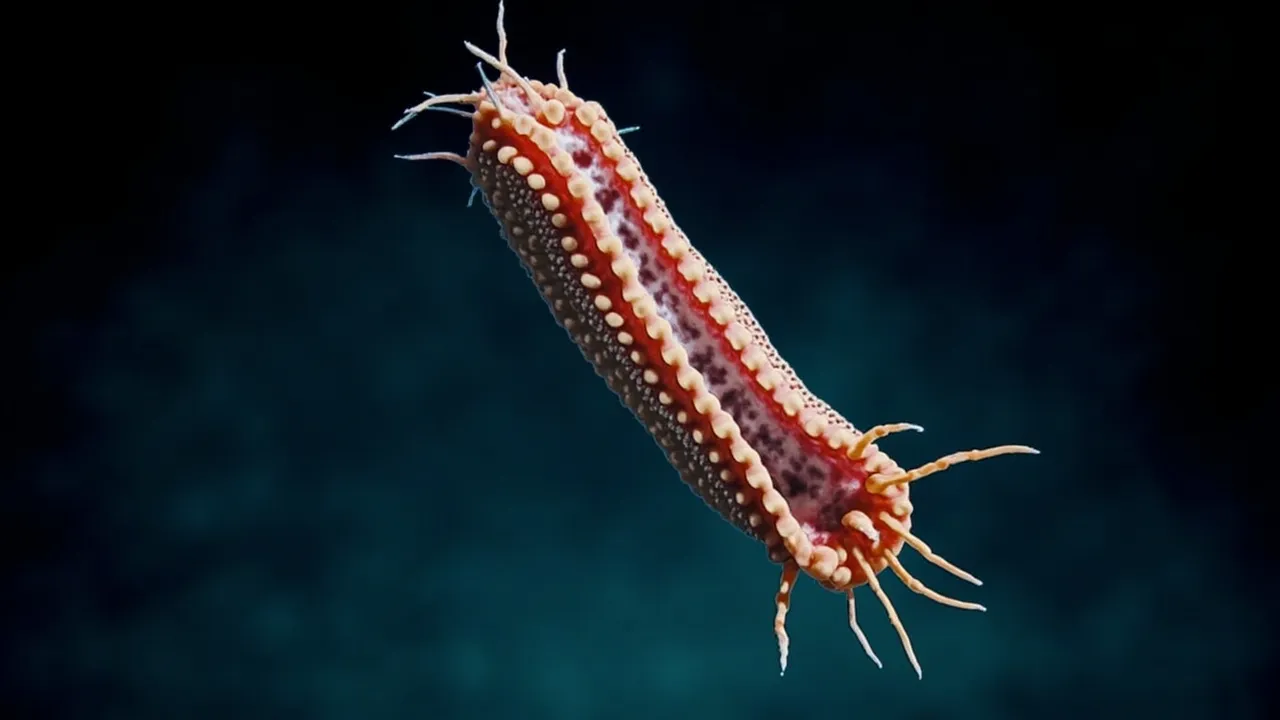
Scientists have discovered that sea cucumbers can leave behind body parts that refuse to die — feet and tentacles that keep living, healing, and even responding to their environment long after they've been separated from the rest of the animal. It's equal parts fascinating and deeply weird, and it might just make us rethink what "alive" really means.
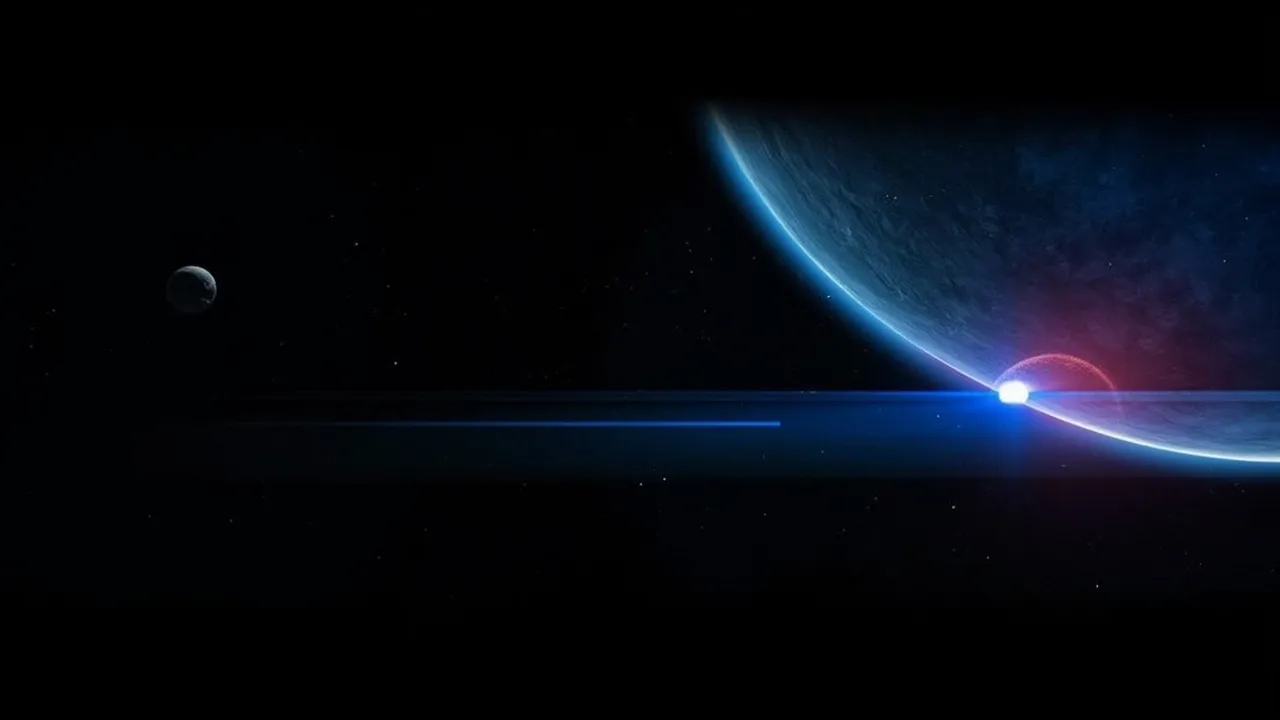
Jupiter's moon Europa has long been considered one of the best bets for finding extraterrestrial life, thanks to its vast subsurface ocean. But new research suggests that getting a peek at that water—even indirectly—might be trickier than scientists hoped. Turns out, water from the deep may not be able to make the journey upward without freezing solid.
When researchers took a closer look at some mysterious black paintings in a famous French cave, they expected to find nothing datable. Instead, they uncovered a secret that had been hiding in plain sight for thousands of years. The discovery isn't just rewriting history — it's giving us a whole new way to understand how our ancient ancestors created, tweaked, and revisited their art.

Imagine being able to tell whether a molecule is "left-handed" or "right-handed" just by shining a specially twisted laser on it. That might sound like science fiction, but researchers in India have developed exactly that—and it could revolutionize how we test medicines and study biology.

Researchers have uncovered a hidden "tipping point" in the brain that may determine whether someone develops Alzheimer's dementia or stays cognitively healthy, even with the same brain changes present. The discovery centers on the brain's immune cells and suggests there isn't just one path to protection against this devastating disease.
Researchers have discovered that a sulfur-based compound called LASSS doesn't just protect an important muscle repair protein from damage — it actually makes it work better. This "supercharged" version of the protein could one day help us stay stronger as we get older.
Paleontologists have uncovered the remains of a mysterious marsupial group that vanished from the fossil record 15 million years ago—and these little creatures might just be the ancestors of every Australian marsupial we know and love today.
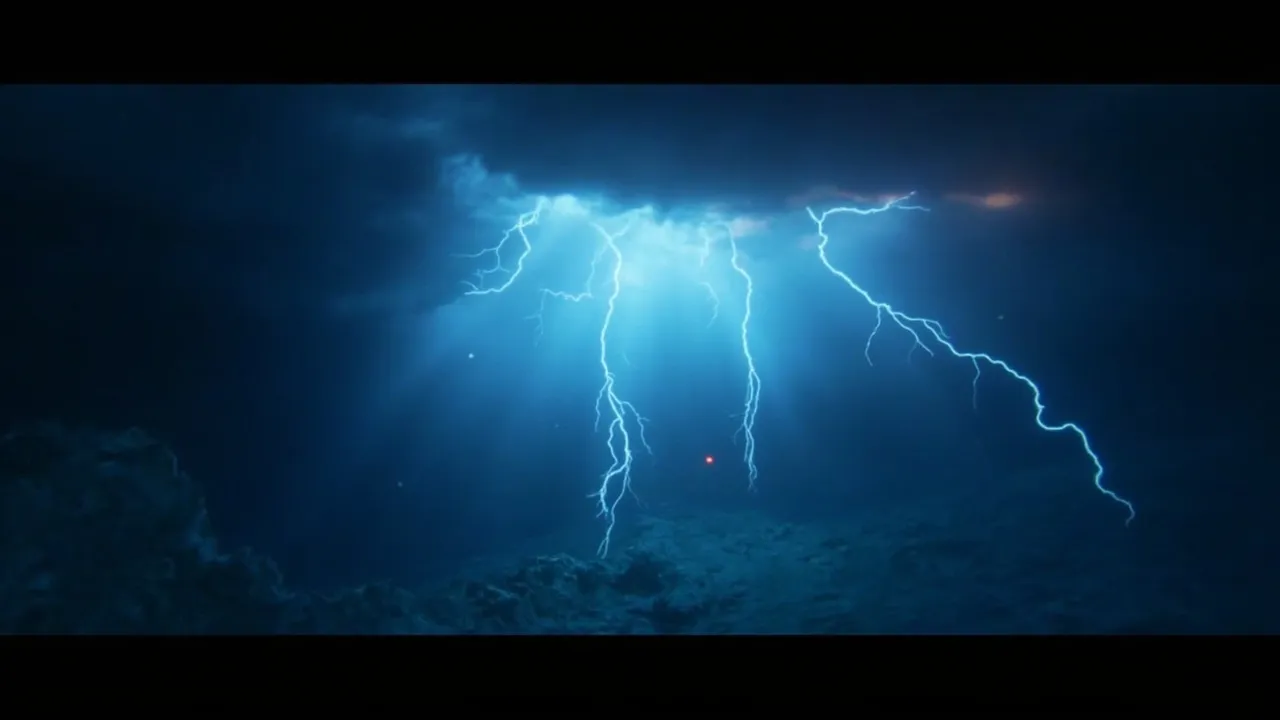
Deep in the Pacific Ocean, something flashes like underwater lightning, and scientists have no idea what's causing it. Polynesian voyagers once used these mysterious flashes to find their way home across thousands of miles of open ocean. Thousands of years later, we're still scratching our heads.
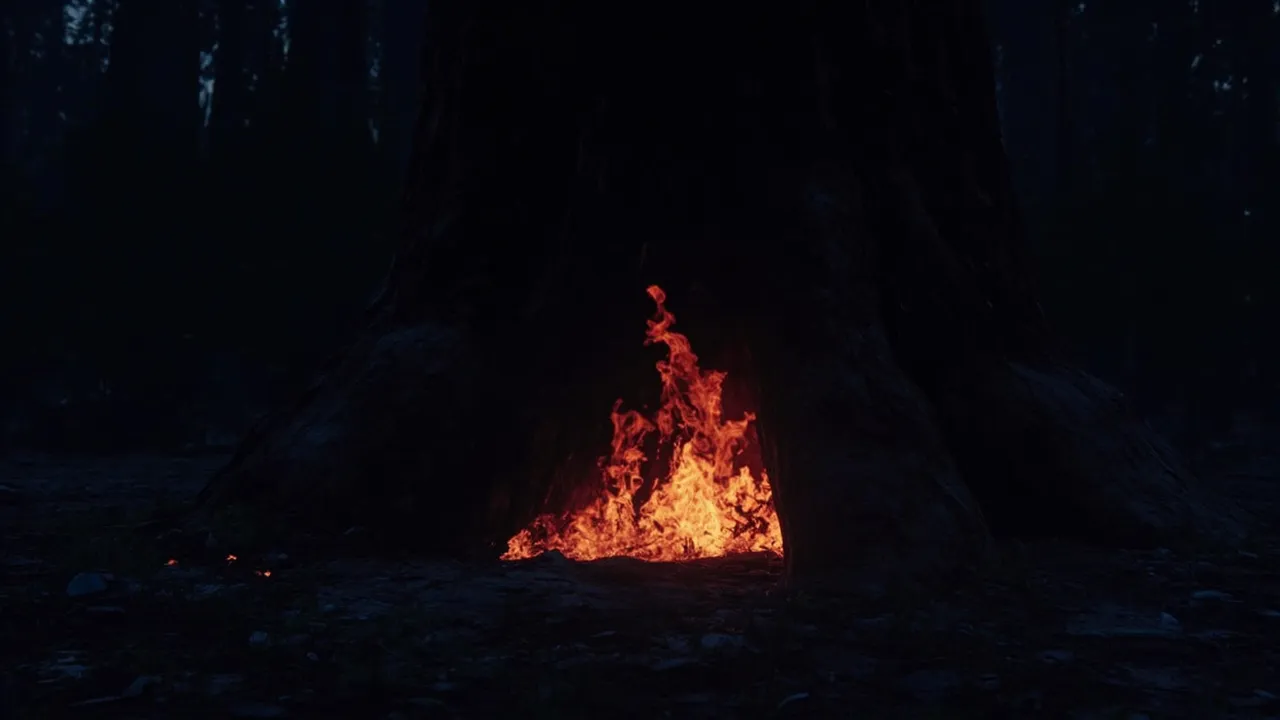
Here's something that sounds completely backwards: the best way to save California's ancient giant sequoias from wildfires might actually be to burn them on purpose first. A fascinating new study reveals why controlled fires could be the secret to protecting these incredible trees that have stood for thousands of years.
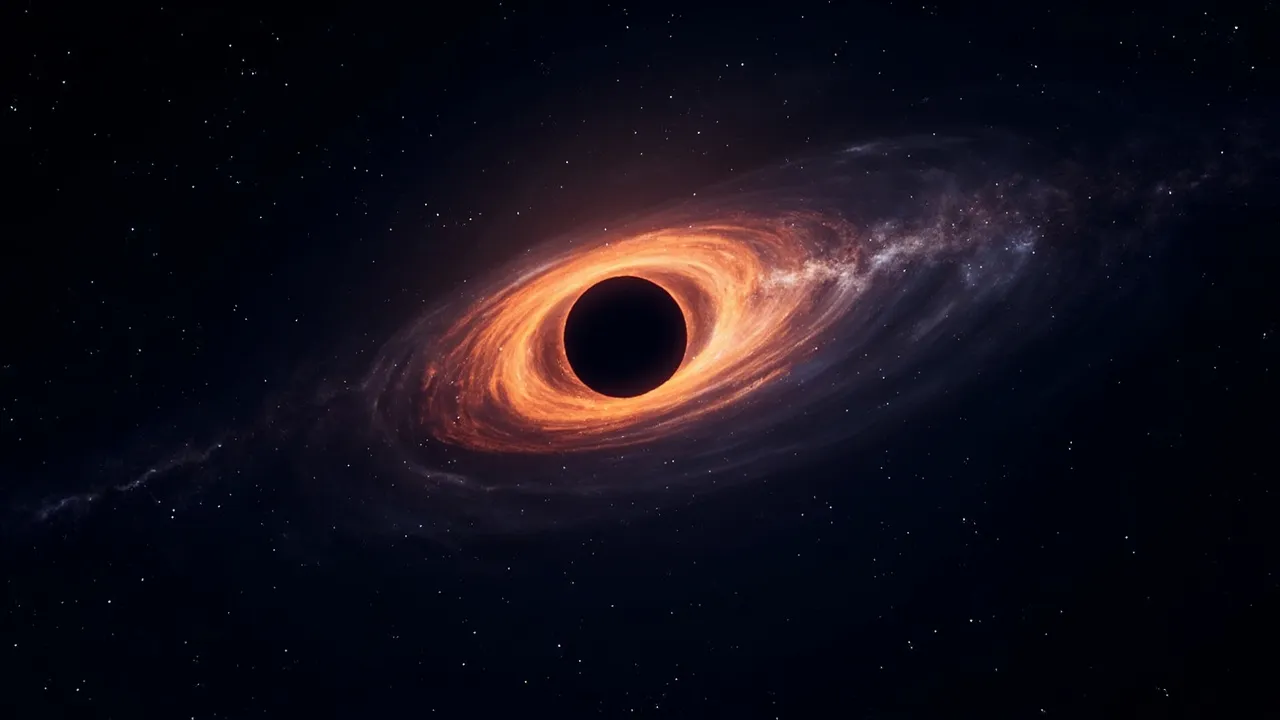
Scientists using NASA's Swift Observatory spotted something that shouldn't exist: a supermassive black hole wandering alone through the outskirts of a distant galaxy, caught red-handed while shredding a star. The cosmic crime scene is now challenging what we thought we knew about where these cosmic monsters like to hang out.
A groundbreaking study just revealed something that could completely change how we think about cancer risk — and it's not what you might expect. Turns out, the genes you inherit from your parents play a massive role in determining not just whether you get cancer, but exactly how your tumor develops and evolves. Scientists are calling this "the missing piece" in understanding why some smokers live to 90 while some non-smokers get lung cancer in their 40s.
Ever woken up from a dream so bizarre you questioned your sanity? New research reveals your brain isn't malfunctioning — it's actually doing something brilliant. Scientists have discovered that dreams are carefully crafted nightly experiences shaped by who you are, how you think, and what's happening in the world around you.